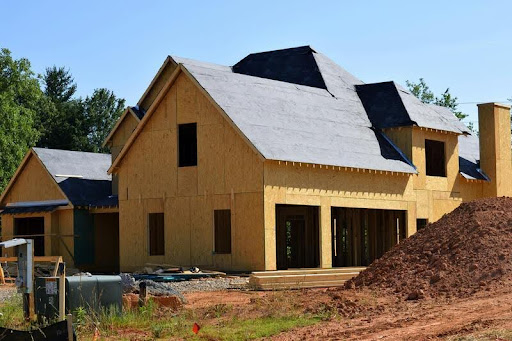
From blueprint to reality: witness the elegant transformation of a modern home taking shape.
Building your own home sounds like a dream, right? But it’s a big project. When you roll up your sleeves and decide to run your own build, from the blueprint stage to handing over the keys, you’re in for a ride. In 2025, with shifting construction trends, tight budgets, and more DIY‑savvy owners, you’ll want to stay organized, informed, and flexible. This guide will walk you through the process step by step, with no real‑world case studies, just clear practical advice, and help you turn that vision into something tangible.
Why should you manage your own home build?
Answer: Because you gain control, potentially save some money, and make sure the final home reflects your vision. When you decide to manage your own build, you’re saying: “I want to know what’s going on. I want to decide what goes here, how much is spent there.” That doesn’t mean you’ll handle everything yourself (you won’t), but you’ll steer the ship. And in today’s climate, rising construction costs, supply‑chain bottlenecks, fluctuating labor availability, having that control is more valuable than ever.
How do you define your vision and budget?
Answer: Start with style, size, and must‑haves; then set numbers and buffer for surprises. First off: what kind of home are you after? Ranch, two‑story, modern, farmhouse, minimalist? How many bedrooms? What’s your lifestyle? Do you work from home and need a dedicated office? Tack on a bonus room? All of those decisions shape the blueprint. Then, move to budget: land cost, hard costs (foundation, framing, systems), soft costs (permits, design, fees), and finishing (floors, fixtures, landscaping). A good rule is always to budget for 10‑20% extra for contingencies, unexpected things will come up.
What’s the best way to choose a location for your build?
Answer: Pick a lot that suits your lifestyle + has long‑term value + is build‑friendly. The lot matters. Accessibility (schools, jobs, hospitals, commuting) will affect your daily life and resale value. Land availability, slope, utilities connection, and zoning restrictions all matter too. Check if the area is likely to appreciate. In 2025, many building permits and home starts are dropping (for example, U.S. housing starts fell 8.5% month‑on‑month in August 2025). (Housing Starts and Permits (August 2025) – TD Economics”>TD Economics) That tells you the market is tricky, so the location chosen now may matter even more.
How do you create a functional blueprint?
Answer: Work with a designer or architect who listens, and make sure your design aligns with budget & lifestyle. Now you’re talking drawings. Architects or designers will take your vision and translate it into plans:
footprint, elevations, sections, systems. You want a design that flows: think about how rooms connect, how light moves, how outdoor space works. And just as important, make sure this blueprint doesn’t blow your budget. It’s tempting to upgrade every finish or add fancy angles, but every extra corner, every high‑end material = cost. Design smartly. Ask: “Will this add value? Will this add daily joy?” If yes, great. If no, maybe skip.
What permits and regulations should you know?
Answer: Zoning, building codes, inspections- get them sorted before the hammer hits the nail. You’ve got your location, your plan, and now the legal/regulatory part. Zoning determines what you can build (size, height, setback). Building codes tell how you must build (structural, electrical, plumbing, energy efficiency). Permits: you’ll apply with your plans and pay fees. Inspections: foundation, framing, utilities, finishing, they’ll check. Good news: in 2025, many jurisdictions are streamlining e‑permits, but still expect delays and budget for permit time. According to the National Association of Home Builders (NAHB), single‑family production continues to lag because of regulatory and cost pressures. (National Association of Home Builders) Get the approvals out of the way early.
Should you hire a full team or DIY some tasks?
Answer: Decide based on your skill level, time availability, and how much you want to be involved. You’ve got some options. One route: hire a general contractor and let them run it. Another: act as your own build manager and hire subs yourself. Or somewhere in between. DIY is tempting, especially if you’re handy, but remember it takes time, and mistakes cost more later. For things like structural framing or major mechanicals: hire pros. For painting or landscaping, maybe you DIY. Define roles clearly. Who’s responsible for what and when? Build a team you trust. Clear communication = fewer headaches.
How do you schedule the build and track milestones?
Answer: Break the project into logical stages and keep an eye on progress & timing. Think in phases:
- Land prep & foundation
- Framing & shell
- Rough‑ins (plumbing, electrical, HVAC)
- Insulation & drywall
- Finishes (floors, cabinets, fixtures)
- Exterior and landscaping For each phase, set a target date, check in regularly. Use checklists or a simple spreadsheet. Weekly site visits help you flag issues early. If something is delayed (material back‑order, weather, labor), update the plan. In 2024, average home builds were taking longer than previous years, so buffer extra time. (Cities Building the Most New Housing [2025 Edition]”>Construction Coverage) If your schedule slips early, it can cascade.
What’s the best way to manage the budget during construction?
Answer: Monitor spending against your estimate continuously and adjust when needed. Budgeting doesn’t end when you sign the permit. It’s ongoing. Get your cost estimate, line items for major chunks. Then, track invoices. When a subcontractor sends a bill, check: “Is this in scope? Did we approve it? Does it match estimate?” Keep a log of change orders (you’ll have them).
If you’re spending more in one area, see where you might save elsewhere. For instance, higher‑grade flooring might mean simpler countertops. Stay flexible. With material costs often unpredictable (and in 2025 still volatile), that flexibility matters.
How do you deal with problems on the construction site?
Answer: Identify issues early, evaluate options, make informed decisions, and don’t panic. Problems happen. Unexpected site conditions, weather delays, material shortages, and inspection hiccups. You’ll know you’re managing well if you spot issues early, bring the team together, review options quickly, and make a decision. Example: if your framing reveals a structural issue, stop, get an engineer’s input, and fix the plan. Don’t ignore it. Keep communication open: your builder, subs, and designer all on the same page. A good approach is weekly site meetings: 15 minutes, what went well, what’s next, what’s stuck. That keeps the momentum.
How do you choose finishes, fixtures, and exterior details?
Answer: Prioritize what matters most to you, coordinate logistics, and align timing. Once the structure is up, you get to the fun part: choosing finishes. Think interior first: flooring, paint, lighting, cabinetry, countertops. Exterior: siding, trim, landscaping, driveways. But pick carefully. Some finishes may take a longer lead time. Coordinate with installation. For example, if your kitchen cabinets are delayed, you may lose time later. Also remember: finishes can drive cost more than the structure sometimes. So pick items that deliver the look + value. Ask: “Will this still look good in five years? Ten?” A well‑chosen exterior increases curb appeal and long‑term value.
What inspections and final approvals should you pass before moving in?
Answer: Make sure all systems are verified, certificates are issued, and occupancy is safe. As you wrap up, the final inspections matter. Plumbing, electrical, and HVAC, each agency will inspect. Your municipality may issue a Certificate of Occupancy (CO) or equivalent. Don’t move in until that’s done. If there are open punch‑list items (paint drips, lightbulbs missing, minor drywall nicks), get them resolved. Doing this protects you from delayed issues and ensures your home is safe and compliant.
How do you prepare to move in, and how to maintain your new home?
Answer: Plan the move, set up routines for upkeep, and protect what you’ve built. You’re finally at move‑in. Congrats! Schedule cleaning, utilities, keys, and security systems. But don’t stop on the first day. Set up a maintenance schedule: HVAC servicing, gutter cleaning, landscaping pruning, seasonal checks (roof, siding). A home is an investment and a daily living space. The care you give in the first year helps avoid costly repairs later. And because you ran the build, you know exactly what was done where and how: use that knowledge to your advantage.
Let’s recap: from planning to occupancy
You started with a vision. You picked your location, locked in your budget, and created a blueprint.
If you’re spending more in one area, see where you might save elsewhere. For instance, higher‑grade flooring might mean simpler countertops. Stay flexible. With material costs often unpredictable (and in 2025 still volatile), that flexibility matters.
How do you deal with problems on the construction site?
Answer: Identify issues early, evaluate options, make informed decisions, and don’t panic. Problems happen. Unexpected site conditions, weather delays, material shortages, and inspection hiccups. You’ll know you’re managing well if you spot issues early, bring the team together, review options quickly, and make a decision. Example: if your framing reveals a structural issue, stop, get an engineer’s input, and fix the plan. Don’t ignore it. Keep communication open: your builder, subs, and designer all on the same page. A good approach is weekly site meetings: 15 minutes, what went well, what’s next, what’s stuck. That keeps the momentum.
How do you choose finishes, fixtures, and exterior details?
Answer: Prioritize what matters most to you, coordinate logistics, and align timing. Once the structure is up, you get to the fun part: choosing finishes. Think interior first: flooring, paint, lighting, cabinetry, countertops. Exterior: siding, trim, landscaping, driveways. But pick carefully. Some finishes may take a longer lead time. Coordinate with installation. For example, if your kitchen cabinets are delayed, you may lose time later. Also remember: finishes can drive cost more than the structure sometimes. So pick items that deliver the look + value. Ask: “Will this still look good in five years? Ten?” A well‑chosen exterior increases curb appeal and long‑term value.
What inspections and final approvals should you pass before moving in?
Answer: Make sure all systems are verified, certificates are issued, and occupancy is safe. As you wrap up, the final inspections matter. Plumbing, electrical, and HVAC, each agency will inspect. Your municipality may issue a Certificate of Occupancy (CO) or equivalent. Don’t move in until that’s done. If there are open punch‑list items (paint drips, lightbulbs missing, minor drywall nicks), get them resolved. Doing this protects you from delayed issues and ensures your home is safe and compliant.
How do you prepare to move in and how to maintain your new home?
Answer: Plan the move, set up routines for upkeep, and protect what you’ve built. You’re finally at move‑in. Congrats! Schedule cleaning, utilities, keys, and security systems. But don’t stop on the first day. Set up a maintenance schedule: HVAC servicing, gutter cleaning, landscaping pruning, seasonal checks (roof, siding). A home is an investment and a daily living space. The care you give in the first year helps avoid costly repairs later. And because you ran the build, you know exactly what was done where and how: use that knowledge to your advantage.
Let’s recap: from planning to occupancy
You started with a vision. You picked your location, locked in your budget, and created a blueprint.
Then you dealt with permits and regulations, assembled your team, scheduled your build, managed your budget, addressed problems head‑on, picked out your finishes, passed your inspections, and finally moved in and began maintaining your home. It’s a lot. But when you look back and step into your finished space, you’ll realize the effort was worth it. You made a blueprint into reality.
Want to take your build further?
If you’re seriously planning your own home build, download a simple project‑tracker spreadsheet, keep your build photos and documents in one place (digital or physical), and commit to weekly check‑ins with your team. Set reminders. Stay organized. Your future self will thank you.
FAQ
Q: What is the best timeline for a single‑family home build in 2025? A: Typical single‑family builds take about 4–6 months from start to finish under ideal conditions. (Cities Building the Most New Housing [2025 Edition]”>Construction Coverage)
Q: Should I act as the general contractor myself? A: Only if you’re comfortable with project management, scheduling subs, and handling regulatory issues. Otherwise, hire or partner with a GC.
Q: How much contingency should I plan into the budget? A: At least 10–20% above your estimate is wise, as material costs and labor delays are still common in 2025.
Q: What happens if inspections fail? A: The inspector will issue a required fix list. You’ll correct the issues, then get re‐inspected. Don’t move in until passed.
Q: Can I reuse plans, or must I design from scratch? A: You can reuse or adapt existing plans to save cost/time, but make sure they comply with your local zoning and match your lot and needs.
About the Author




