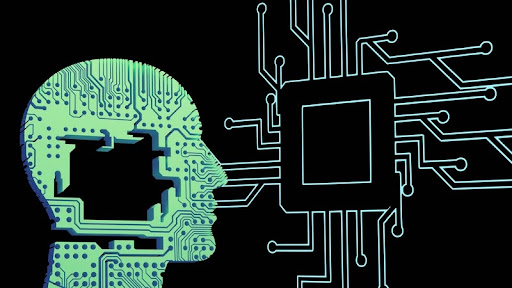
Deep in code — AI-driven cybersecurity in action.
Cyber threats are everywhere these days. From data breaches to ransomware, it feels like we’re constantly under attack online. But here’s the good news: Artificial Intelligence (AI) is changing the game by spotting threats before they can even cause damage. Wondering how that works? Let’s break it down.
What Are Cyber Threats, and Why Is Early Detection Important?
Cyber threats include all kinds of sneaky attacks, such as malware, phishing scams, ransomware, and more. They’re designed to steal your information, disrupt systems, or hold data hostage. Now, imagine waiting until after an attack to respond; that’s like locking the barn door after the horse has bolted.
Early detection is key. It means catching the bad stuff before it wreaks havoc. That’s exactly where AI steps in, scanning networks and spotting signs of trouble much faster than humans could.
How Does AI Work in Cybersecurity?
At its core, AI is all about learning from data. It looks at tons of information, network traffic, user behavior, and system logs, and finds patterns. Over time, it learns what “normal” looks like. When something unusual pops up, AI raises a red flag.
Think of it as a security guard who gets to know everyone in the neighborhood. If a stranger shows up acting suspiciously, the guard notices immediately. AI acts the same way, but on a much larger scale and at lightning speed.
What Are the Key AI Techniques Used to Detect Cyber Threats?
There are several smart methods AI uses to sniff out cyber threats early:
- Behavior Analysis and Anomaly Detection: AI watches how users and devices typically behave. If it spots odd actions, like logging in from a strange location or accessing unusual files, it flags them.
- Pattern Recognition and Predictive Analytics: By studying past attacks, AI predicts what new threats might look like. It’s like spotting the signs before the storm hits.
- Natural Language Processing (NLP): This helps AI read and understand threat reports, hacker communications, and dark web chatter to gather intelligence on emerging dangers.
- Automated Threat Hunting: Instead of waiting for alarms, AI actively searches for hidden threats in the system, hunting down risks before they explode.
Why Is AI Faster and More Accurate Than Traditional Methods?
Traditional cybersecurity tools rely heavily on fixed rules or known threat signatures. They’re They can also overwhelm security personnel with false alarms.
But AI goes further. It picks up on hints of an impending attack and adjusts accordingly. This results in quicker reactions and fewer false positives. According to a 2023 study, businesses that used AI-powered security were able to identify threats 30% faster on average, which resulted in a significant decrease in breach expenses.
Does AI’s Potential in Cybersecurity Have Limitations?
AI isn’t flawless. Depending on the data it is fed, AI may overlook dangers or make mistakes if the data is biased or incomplete. Additionally, hackers are becoming more skilled and attempting to fool AI systems through a technique known as adversarial attacks.
Human experts are still crucial because of this. AI is most effective when used as a strong instrument to assist security teams in making decisions more quickly and intelligently.
Good for catching familiar attacks, but often misses new or clever hacks, not a complete substitute.
What Role Will AI Play in Cyber Threat Detection in the Future?
The future appears bright. AI is becoming more adept at real-time adaptation and context understanding. More integration with other security technologies, such as biometric authentication and cloud defenses, is anticipated.
Furthermore, as machine learning models continue to advance, AI will continue to pick up new skills to outsmart cybercriminals. Although the battlefield is always changing, artificial intelligence is changing the game.
How Can Companies Protect Themselves with AI?
AI-powered cybersecurity solutions can help both large and small businesses. These tools quietly operate in the background, keeping an eye on systems around the clock and warning teams of possible dangers.
Seek answers if you’re unsure of how to begin.
that provide the best defense by combining AI with human oversight. Additionally, keep in mind that cybersecurity is more than just technology; educating your employees about security best practices is equally crucial.
Common Questions Regarding AI and Cyber Threat Identification
Is it possible for AI to anticipate zero-day attacks? A: Even if the precise vulnerability is unknown, AI can spot odd behavior that could point to zero-day threats. It significantly increases the likelihood of early detection, even though it cannot guarantee prediction.
Does AI take the place of human cybersecurity specialists? A: Not at all. Quick data processing and risk identification are two ways AI improves human capabilities, but expert analysis and decision-making are still essential.
Is it costly for small businesses to implement AI cybersecurity? A: Although prices vary, numerous reasonably priced AI-based security solutions can be scaled to meet the needs of various businesses. budgets and sizes.
How does AI in cybersecurity lessen false alarms? A: AI learns normal system behavior and uses advanced algorithms to distinguish real threats from harmless anomalies, cutting down on false positives.
What industries benefit most from AI threat detection? A: All industries face cyber risks, but sectors like finance, healthcare, and retail often benefit most due to the sensitive data they handle.
Wrapping It Up: Why AI Matters in Cybersecurity Today
Cyber threats aren’t slowing down. With hackers constantly finding new ways to attack, relying on traditional defenses alone just won’t cut it anymore. AI is stepping up to detect threats early, acting like a watchful guardian for digital systems.
Have you thought about how AI could boost your cybersecurity? Whether you’re a business owner or just curious, understanding AI’s role in threat detection can help you stay safer online.
About the Author