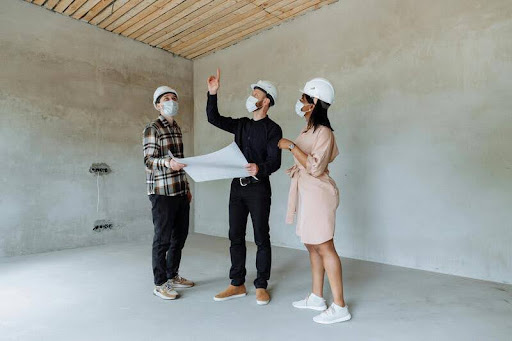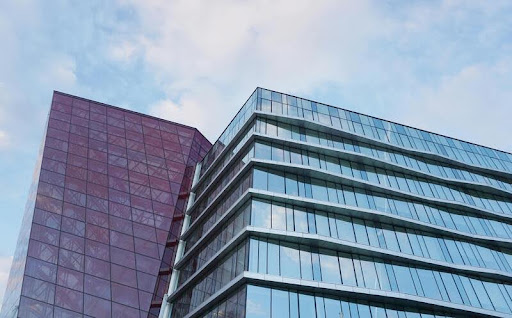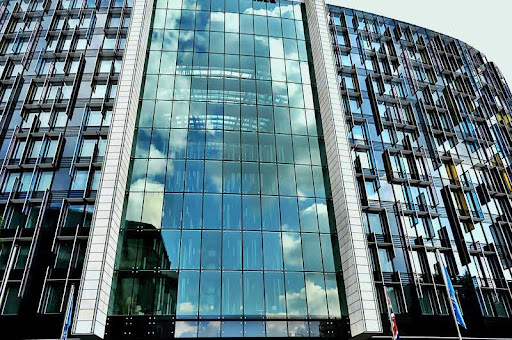
Modern high-rise architecture reflects the rising demand—and cost—of urban commercial real estate in the U.S.
Thinking about buying a commercial property in the U.S.? Maybe you’re eyeing a building for your business or looking to invest in income-generating real estate. Either way, one of the first questions you’ll probably ask is, “How much is this going to cost me?” And honestly? The answer is: it depends.
Let’s break it all down in plain English, from the types of properties out there to the hidden costs you don’t want sneaking up on you later.
What Types of Commercial Property Can You Buy?
Before we talk numbers, it helps to understand the kinds of properties you’re dealing with. Commercial real estate isn’t just one thing; it covers a bunch of categories, each with its pricing quirks.
- Office buildings – From small professional spaces to corporate towers.
- Retail properties – Think storefronts, shopping plazas, or standalone restaurants.
- Industrial buildings – Warehouses, manufacturing spaces, distribution centers.
- Multifamily properties – Apartment complexes with five or more units.
- Commercial land – Undeveloped plots meant for future business use.
Each category comes with different expectations on cost, upkeep, and returns, so the first step is knowing what you’re shopping for.
What Affects the Price of Commercial Property?
So, how much does commercial property cost? The short answer: a lot of things. Here’s what drives the price up (or down):
1. Location, location, location
Where the property sits makes a massive difference. Prices in big cities or high-traffic areas are going to be a lot steeper than in rural or less-developed zones. Even within the same city, prices vary wildly from neighborhood to neighborhood.
2. Property size and layout
More square footage = more dollars. But it’s not just about size. An oddly shaped lot or a chopped-up floor plan might bring the value down, even if the building is huge.
3. Condition of the property
Is it move-in ready or in need of serious repairs? Renovations cost money. If a property looks like it hasn’t been touched since the ’80s, you’ll probably get a lower price, but you’ll spend more bringing it up to modern standards.
4. Zoning and permitted use
Just because it’s a commercial property doesn’t mean you can do whatever you want with it. Zoning laws tell you what kinds of businesses can operate there, and more flexible zoning often means a higher price tag.
5. Features and amenities
Things like central air, loading docks, security systems, or even just having enough parking can push prices higher. The more user-friendly the building, the more it’s worth.
6. Visibility and accessibility
Is it easy to find and get to? If you’re buying retail space, for example, being on a major road with tons of foot traffic is gold.
How Much Are You Paying Upfront?
Buying commercial property isn’t just about the purchase price. There are a bunch of other costs that hit you before you even get the keys.
Purchase price
This is the big one. Prices range wildly, anywhere from $0,000 for a small commercial condo in a rural area to several million dollars for a downtown office space.
Down payment
Commercial lenders typically require 20%–30% down. So if you’re buying a million-dollar property, expect to put down 0,000 to 0,000 right away.
Inspection and appraisal fees
You’ll need to pay for professional inspections (structural, roof, HVAC, etc.) and an appraisal to satisfy lenders. These can run you several thousand dollars.
Closing costs
These include legal fees, title insurance, escrow fees, and sometimes transfer taxes. Expect another 2%–5% of the purchase price.
What About Financing Costs and Monthly Payments?
Most commercial property buyers take out a loan, unless they’re sitting on a mountain of cash.
Loan options
There are several types of commercial loans: traditional bank loans, SBA 504 or 7(a) loans, and portfolio loans. Each has different requirements, but they all want you to show you’re not a risk.
Loan-to-value (LTV) ratio
Lenders don’t usually cover the full property value. A typical LTV is 70%–80%, meaning you need to cover the remaining 20%–30%.
Interest rates and terms
Commercial real estate loans typically carry higher interest rates than residential ones, anywhere from 6% to 10% depending on your credit and the economy. Loan terms can be 5, 10, or 20 years, often with a balloon payment at the end.
Monthly mortgage payments
Payments depend on how much you borrow, your interest rate, and your term. But don’t forget to factor in taxes and insurance, which are often escrowed into monthly payments.
What Are the Ongoing Costs of Owning Commercial Property?
The upfront payment is just the beginning. Once you own the place, you’ve got bills to pay regularly.
Property taxes
These vary by state and local government. In high-value markets, they can be a big chunk of your annual budget.
Insurance
Commercial property insurance isn’t cheap, especially if the building has special risks (like a restaurant with open flames).
Maintenance and repairs
Things break. Systems wear out. Even if it’s not urgent, you’ll still want to budget for painting, cleaning, and minor fixes.
Utilities
Water, gas, electricity, trash, whether you pay these or pass them on to tenants, they need to be considered.
Property management fees
If you hire someone to manage the place, expect to pay 5%–10% of the rental income.
HOA or association fees
Some commercial buildings, especially condos or complexes, come with association dues that can’t be ignored.
What Are Some Hidden or Overlooked Costs?
Sometimes it’s not what you see, it’s what you don’t expect that drains your wallet.
- Vacancy periods – You might not always have a tenant, and no tenant means no income.
- Tenant improvements – Customizing a space for a new tenant can cost thousands.
- Permits and compliance – Local codes change, and you may have to update your property to stay compliant.
How Much Do Different Property Types Typically Cost?
Here’s a basic breakdown based on type and scale. Just remember, these are general ranges and not hard rules:
- Small office or retail unit in a suburban area: 0K–0K
- Mid-size commercial building: 0K– million
- Large or prime-location building: million and up
- Undeveloped land zoned for commercial use: 0K to over a million, depending on location
Prices can spike or dip fast based on market trends, interest rates, and local demand.
What’s the Best Way to Budget for Commercial Property?
Start with a realistic purchase range. Then add 15%–20% extra for fees, inspections, and surprise expenses. Always build a cushion into your budget. If the market shifts, or your building sits empty for a few months, you’ll be glad you did.
Also, surround yourself with a solid team. An experienced real estate broker, a savvy attorney, and a financial advisor who understands commercial property can save you thousands and a lot of stress.
So… How Much Does It Cost to Buy Commercial Property in the U.S.?
It all depends on the size, type, and location of the property, but also on your financial game plan and risk tolerance. While some buyers find great deals under 0K, others invest millions into multi-use buildings. What’s important is that you go in with your eyes open and your budget in check.
Quick FAQ: Commercial Property Costs in the U.S.
How much does commercial property cost per square foot in the U.S.?
Anywhere from $100 to $1,000+ per square foot, depending on type and location.
How much do you need for a down payment on commercial property?
Typically, 20%–30% of the purchase price.
Are commercial property loans harder to get than residential loans?
Yes, they require more documentation, higher credit scores, and larger down payments.
What are the hidden costs of buying commercial property?
Think inspections, appraisals, legal fees, zoning issues, and potential vacancy losses.
Is it better to buy or lease commercial property?
Depends on your goals. Buying offers equity and stability
About the Author