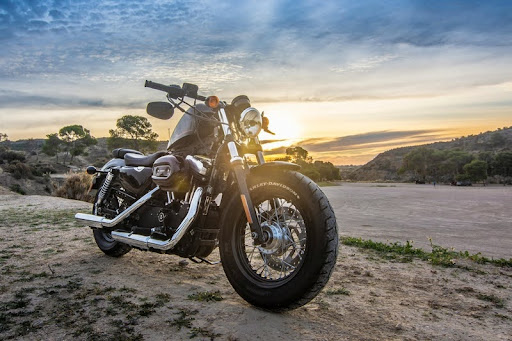
Weekend ride vibes: Dirt bikes bring the thrill—and insurance costs to consider.
So, you’re thinking about getting a motorcycle, or maybe you already have one and you’re trying to figure out how much motorcycle insurance is going to set you back. Either way, you’re in the right place.
Let’s be real: motorcycle insurance isn’t exactly the most thrilling part of bike ownership. But it is important. Whether you’re cruising down country roads or navigating city traffic, having the right coverage can save you from major financial headaches.
Now, the big question: How much does motorcycle insurance cost in the U.S.?
Let’s break it all down in plain English.
What’s the average cost of motorcycle insurance in the U.S.?
On average, motorcycle insurance in the U.S. costs anywhere from $100 to $500 per year for basic liability coverage. If you want full coverage, including comprehensive and collision, it can jump to $300 to $1,500+ per year.
That’s a big range, right? That’s because pricing depends on a ton of different things: your age, where you live, what kind of bike you ride, and more.
Want a ballpark monthly figure? You might pay around $10 to $125 a month, depending on your risk profile and coverage level.
Why is motorcycle insurance so much cheaper than car insurance?
In many cases, it is. Motorcycles tend to be less expensive to repair or replace than cars. And since they’re used less frequently or only seasonally in some states, insurers often price them lower.
But here’s the catch: motorcycles are riskier to ride. Accidents can be more severe, and that’s reflected in the premium if you want fuller coverage.
What factors affect your motorcycle insurance cost the most?
So, what makes your rate go up or down? Let’s walk through it.
1. Where do you live
Some states have lower premiums just because they have fewer accidents, thefts, or legal requirements. For example, if you live in a densely populated city or a state with lots of uninsured drivers, expect to pay more.
2. Your age and riding experience
Younger riders tend to get charged higher rates, no surprise there. Statistically, they’re more likely to get into accidents. New riders also pay more because insurers have no riding history to judge from.
If you’ve had your license for a while and stayed claim-free, that works in your favor.
3. The type of motorcycle you own
Sport bikes (aka crotch rockets) usually cost more to insure than cruisers or touring bikes.
Why? Because they go faster, are more expensive to fix, and get stolen more often.
The bigger the engine, the higher the risk. And insurance companies pay attention to that.
4. Your driving and riding record
Got speeding tickets? Past claims? Accidents? These can all bump up your rate. On the flip side, if your record is squeaky clean, you’ll probably qualify for better pricing.
5. Your credit score
In most U.S. states, insurance companies can use your credit score to help determine your premium. A better score can equal a lower rate. (Some states, like California, don’t allow this, just something to be aware of.)
6. How much do you ride
If you only take your bike out on weekends, your insurer might offer a lower premium compared to someone who rides daily to work. Fewer miles = lower risk.
7. How do you store your bike
Is your motorcycle locked in a garage overnight or parked on the street? Insurers take storage into account. A secure garage can help lower your rate.
What types of motorcycle insurance coverage are there?
Let’s clear up the coverage types, so you know what you’re paying for.
Liability insurance (required in most states)
This is the minimum required by law in many places. It covers damage or injuries you cause to others. It does not cover your own bike or medical bills.
Collision coverage
Helps pay for repairs to your bike if you hit another vehicle or object, regardless of who’s at fault.
Comprehensive coverage
Covers damage from things like theft, fire, vandalism, falling tree branches, or even animal collisions.
Uninsured/Underinsured motorist coverage
Protects you if you’re hit by a driver who doesn’t have enough (or any) insurance.
Medical payments or personal injury protection (PIP)
This covers your medical bills after a crash, regardless of who’s at fault. PIP is more common in no-fault states.
Custom parts and equipment coverage
Got fancy handlebars, a custom paint job, or upgraded exhaust? This helps protect those extras that aren’t covered under standard policies.
What add-ons can increase the cost?
Yep, insurance companies love add-ons. Some are useful, though.
- Roadside assistance – If your bike breaks down, this gets you a tow.
- Trip interruption – Covers food, lodging, and transportation if your bike breaks down far from home.
- Rental reimbursement – Helps pay for a rental if your bike is in the shop.
- Towing and labor – Covers towing and minor roadside repairs.
Every add-on increases your premium a bit, so only get what you think you’ll really use.
How do you estimate your motorcycle insurance cost?
Start by gathering basic info: your bike’s make and model, your riding history, your license status, and how often you plan to ride. Then head over to a few insurance sites and get quotes.
Most major companies offer free online tools. You don’t always need to give your Social Security number, just your zip code, vehicle info, and riding history. Easy enough.
And please, don’t just go with the first quote. Rates vary a lot between companies. Take 10 minutes to compare a few options. It can save you hundreds.
What’s the best way to lower your motorcycle insurance premium?
Nobody wants to overpay for insurance. Here are a few tips that can actually make a difference:
- Take a motorcycle safety course – Many insurers offer discounts if you complete an approved rider training program.
- Bundle your policies – Got home or auto insurance? Bundling with the same company can lead to big savings.
- Raise your deductible – A higher deductible can lower your premium (just make sure you can afford it if you need to use it).
- Maintain good credit – In most states, better credit equals better rates.
- Limit optional coverages – Only add what you truly need.
- Pay annually instead of monthly – Many insurers tack on fees for monthly payments.
Is full coverage motorcycle insurance worth it?
That depends. If you have a newer or more expensive bike, full coverage is usually a good idea. It protects your investment.
If you’ve got an older, low-value bike you barely ride, basic liability might be enough. Just know that without full coverage, you’re paying out of pocket if your bike gets damaged or stolen.
Final thoughts: What should you really consider before buying motorcycle insurance?
Look, at the end of the day, motorcycle insurance isn’t just a legal box to check, it’s a tool to protect your wallet and your peace of mind.
So before you hit the open road, take a little time to figure out what coverage fits you. Compare rates. Ask questions. Think about how much risk you’re comfortable with.
And remember: the cheapest option isn’t always the best one. Find the sweet spot between affordability and protection.
Frequently Asked Questions (FAQ)
How much is motorcycle insurance monthly in the U.S.?
Most riders pay between $10 and $125 per month, depending on location, age, bike type, and coverage level.
Is motorcycle insurance required in every state?
Almost every U.S. state requires at least liability coverage. Check your local laws to be sure.
Why is motorcycle insurance cheaper than car insurance? Bikes typically cost less to repair or replace, and some are used only seasonally. However, full coverage can still be pricey due to higher accident risks.
Can you insure a motorcycle without a license? In most cases, you’ll need a valid motorcycle license or permit to get insured.
Do I need full coverage on a paid-off bike? Not necessarily. Full coverage is optional if you own the bike outright, but it offers more protection, especially for newer or valuable motorcycles.
About the Author