When paradise gets packed—how overtourism changes the way we experience nature
Let’s be real, traveling across the U.S. is one of the best ways to explore the country’s crazy diversity, from stunning coastlines to charming small towns to mind-blowing national parks. But lately, more folks are asking the right questions: Is there such a thing as too much tourism? And what can I do to avoid being part of the problem?
That’s where the idea of overtourism comes in. It’s more than just long lines and crowded parking lots; it’s when too many visitors overwhelm a place, draining local resources and impacting the very spots we’re trying to enjoy.
The good news? You don’t have to cancel your next getaway or stick to your backyard. With just a few mindful tweaks, you can explore more responsibly and still have an amazing trip. Let’s break down how to do that.
What Is Overtourism and Why Should You Care?
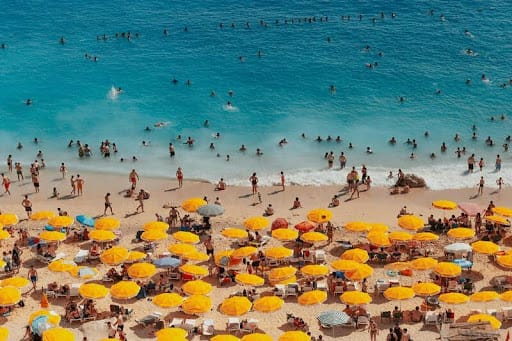
Overtourism happens when a destination sees more visitors than it can handle, whether that’s environmentally, socially, or economically. Think jam-packed sidewalks, closed trails due to damage, or locals getting priced out of their own neighborhoods.
While it’s often associated with global hotspots, overtourism is happening right here in the U.S., in national parks, major cities, coastal towns, and even rural communities. According to the National Park Service, parks saw over 325 million recreation visits in 2023, putting serious pressure on trails, wildlife, and infrastructure.
So why should you care? Because your travel choices matter. Being a responsible traveler isn’t about guilt; it’s about being intentional. And when you do that, your experience often becomes way better.
When Is the Best Time to Travel to Avoid Crowds?
Travel during the off-season or shoulder season. Timing is everything. If you’re trying to dodge the crowds, aim for shoulder seasons, the weeks right before or after peak season. For example, instead of planning a beach trip in July, consider late May or early September. You’ll likely get better rates, more space, and a more relaxed vibe.
Also, skip the major holiday weekends if you can. Yes, everyone wants to travel during long weekends, but so does everyone else. Flexibility is your friend here.
How Can You Avoid Tourist Traps in the U.S.?
Seek out lesser-known destinations and hidden gems. We get it, some places are popular for a reason. But when everyone flocks to the same spot, it stops being fun (and starts being stressful).
Try this: instead of hitting up the most Instagrammed location in a state, look for nearby towns, parks, or cultural sites that offer something different, less noise, more charm, and a deeper connection to the place.
Not sure where to start? Look for spots with fewer search results or check tourism boards for places labeled “off the beaten path.” Pro tip: if it takes longer than five minutes to find parking on Google Street View, it might be too popular.
Why Is Slow Travel Better for Local Communities?
Slow travel helps you connect, spend locally, and reduce your impact. The fast-paced “see-it-all” mentality can burn you out and stress out local communities. Instead of bouncing from one tourist stop to the next, consider staying longer in one area. You’ll get a better feel for the place, uncover hidden gems, and probably meet more locals along the way.
Plus, longer stays typically mean fewer transportation emissions and more meaningful spending at smaller, local businesses, money that stays in the community instead of funneling to big corporations.
What’s the Best Way to Support Local Businesses While Traveling?
Choose local everything, food, stays, shops, and tours where you spend your travel dollars matter. One of the easiest ways to be a responsible traveler is to eat at local restaurants, shop from local artisans, and stay at independent lodgings.
Skip the mega-chain hotels and go for that quirky inn or B&B run by a local couple. Not only is the experience more personal, but your money supports real people and sustainable growth.
Local farmers markets, bookstores, and even neighborhood coffee shops are great places to connect with the community and discover what makes the area unique.
How Can You Respect Local Communities While Traveling?
Treat every place like it’s someone’s home, because it is. It’s easy to forget that behind every travel destination are actual people living their day-to-day lives. So be a good guest. That means following local rules, being mindful of noise, and not treating the place like your personal photo op.
Also, don’t assume every community wants more tourism. Some small towns are already stretched thin on resources and may not have the infrastructure to support large influxes of visitors.
Before you go, take a moment to learn about community guidelines, local customs, or visitor limits. A little homework goes a long way.
What Are Eco-Friendly Transportation Options for Travelers?
Reduce your footprint by choosing greener ways to get around.
Road trips are awesome, but gas-guzzling and constant driving aren’t exactly low-impact. Instead, consider using public transit, biking, or carpooling where it makes sense.
In cities, opt for light rail, buses, or shared bike programs. In small towns, walking is often the best (and most scenic) way to explore.
If you’re renting a car, look into hybrids or EVs. And if you’re traveling in a group, consolidate into one vehicle. Less traffic, less pollution, more fun.
What Does “Leave No Trace” Mean and Why Should It Matter?
Pack out your trash, stay on trails, and protect nature. “Leave No Trace” isn’t just for backcountry hikers. It’s a mindset that every traveler can adopt, whether you’re camping, strolling through a park, or visiting a beach.
Stick to marked paths. Don’t pick plants or carve your name into trees. Avoid feeding wildlife. And always, always take your trash with you.
Even small things, like staying quiet near wildlife or keeping drones grounded, can protect fragile ecosystems and make nature safer for everyone.
How Can You Prepare for a Responsible Trip?
Do your research before you go. Last-minute trips are fun, but they often leave you unprepared. Take some time to look into your destination, especially if it’s small or remote.
Check local websites for visitor guidelines, event calendars, or advisories. Learn if the area is currently overwhelmed with visitors or experiencing droughts, road closures, or limited public services.
And while you’re at it, read up on local history or culture. Being informed shows respect, and it usually leads to a richer travel experience.
Final Thoughts
It’s Not About Traveling Less, It’s About Traveling Better
You don’t have to cancel your vacation plans or avoid popular places altogether. But you do have the power to shape the way tourism impacts people, places, and the planet.
Being a more mindful traveler in the U.S. isn’t just good for the communities you visit; it’s good for you too. Less stress. More authenticity. Better memories.
So next time you’re planning a trip, ask yourself: How can I travel in a way that gives back more than it takes? Because in the end, the best adventures are the ones that leave a place better than we found it.
Quick FAQ: How to Avoid Overtourism in the U.S.
What is overtourism? Overtourism happens when too many visitors put stress on a place’s environment, infrastructure, or community.
What are some signs of overtourism? Overcrowded streets, long wait times, damaged nature areas, and locals being priced out are all signs of overtourism.
How can I avoid contributing to overtourism? Travel during off-peak times, visit lesser-known spots, stay longer, support local businesses, and follow “Leave No Trace” practices.
What’s the best way to support local economies while traveling? Spend your money at locally owned restaurants, shops, and accommodations instead of large chains.Is it okay to visit popular places? Yes, but try to go during less busy times, and make your visit as low-impact and respectful as possible.
About the Author