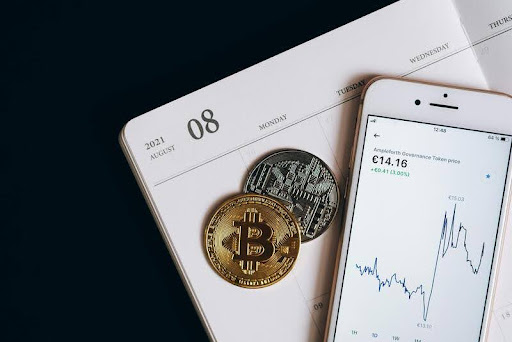
Crypto meets convenience—managing digital assets from your phone
Your Go-To Guide for Secure Cross-Chain Swaps
So you’ve dipped your toes into DeFi, and now you’re hearing all this buzz about bridging tokens. Maybe you’re trying to use a dApp that only works on another blockchain. Or maybe you just want to dodge high fees. Either way, you’re not alone; bridging has become a must-know move in the world of decentralized finance.
But here’s the thing: bridging isn’t something you want to dive into blindly. Just like crossing a sketchy bridge in real life, you want to make sure it’s sturdy, secure, and won’t leave you stranded halfway.
Let’s break down exactly how token bridging works, why it’s useful, and, most importantly, how to do it safely without risking your crypto.
What does it mean to bridge tokens in DeFi?
Bridging tokens means transferring your crypto from one blockchain network to another. It’s kind of like converting your money into a different currency, but instead of heading to an airport kiosk, you’re using smart contracts and cross-chain tools.
Let’s say you’ve got ETH on Ethereum, but you want to use a DeFi app that only runs on another blockchain. Instead of selling your ETH and buying the new chain’s token, you can bridge your ETH to the new chain. You still hold the same value, but it now works on a different network.
It’s all about interoperability, a fancy word for letting different blockchains talk to each other.
Why do people bridge tokens across blockchains?
The main reason? Flexibility.
Bridging opens up all sorts of possibilities:
- You can access lower fees on more efficient networks.
- Some DeFi apps, staking pools, or yield farms only exist on specific blockchains.
- You might want to spread your assets across chains to manage risk.
And let’s not forget speed. Some blockchains are just faster than others. When gas fees on Ethereum shoot up, it’s no surprise that folks start bridging assets to avoid paying just to click a button.
How does token bridging actually work?
At a high level, here’s the flow:
- You send tokens to a bridge smart contract on your current chain.
- The bridge locks or burns those tokens.
- A corresponding amount of tokens is minted or released on the destination chain.
- Done, you now have the same asset on a new blockchain.
That’s the simplified version, of course. Some bridges rely on validators or oracles to verify transactions between blockchains. Others use liquidity pools or wrapped tokens.
But the goal is the same: move assets without losing their value or ownership.
What are the types of token bridges?
Here’s where things get a little technical, but don’t worry, we’ll keep it simple.
1. Custodial Bridges: These are run by a centralized entity or team. They manage your tokens during the bridging process. You need to trust that they won’t lose, mismanage, or misuse your funds.
2. Non-Custodial (Decentralized) Bridges: These rely on smart contracts and algorithms. They remove the middleman, but still have vulnerabilities like bugs or exploits.
3. One-Way vs Two-Way Bridges: Some bridges let you move tokens in one direction only. Others allow you to go back and forth between chains. Always check before you bridge; it’s not fun getting stuck.
4. Protocol-Specific vs Cross-Chain Bridges: Protocol-specific bridges only work with a particular ecosystem. Cross-chain bridges, on the other hand, support multiple networks and are more flexible.
What are the biggest risks when bridging tokens?
Let’s get real, bridging isn’t risk-free. And ignoring the risks can cost you.
Here’s what you need to watch out for:
- Smart Contract Vulnerabilities: If the code is flawed, attackers can exploit it.
- Bridge Hacks: Over $2.5 billion was lost in cross-chain bridge exploits as of late 2024. That’s not a typo.
- User Errors: Sending tokens to the wrong address or picking the wrong chain can be a costly mistake.
- Fake Bridges and Scams: Not all that glitters is legit. Some “bridges” are just phishing traps.
- High Gas Fees or Transaction Failures: Especially on congested networks, fees can spike, or transactions can get stuck.
Bridging without doing your homework? That’s like skydiving without checking your parachute.
What’s the best way to bridge tokens safely?
If you’re wondering how to safely bridge tokens in DeFi, you’re already ahead of the game. Here’s a checklist to keep your crypto safe:
- Research the bridge: Look for audits, reviews, and community feedback. Avoid bridges that were launched yesterday, or don’t explain how they work.
- Double-check token addresses: Copy-paste can save you from sending to a scam contract. Only use official links.
- Know your destination: Confirm the chain, wallet address, and token format on the other side.
- Start small: Always test with a tiny amount first. If things go wrong, better to lose $5 than $500.
- Avoid random pop-ups or links: Scammers love to clone bridge sites. Stick to trusted sources.
Think of it like this: If you wouldn’t trust a sketchy ATM in a dark alley, don’t trust a bridge that looks like it was built last night.
What tools can help make bridging safer?
There are a few tools that can make your life easier:
- Blockchain Explorers: Use these to confirm transactions on both chains. Think of them like delivery tracking for your tokens.
- Token Trackers: Make sure the wrapped version of your token is legit and actually backed by something.
- Wallet Warnings: Some wallets, like MetaMask and others, now flag risky contracts or unknown tokens. Pay attention.
You can also keep an eye on DeFi forums or communities (like Reddit or Discord) to hear what others are saying about a bridge before you jump in.
How can I make the bridging process smoother?
Bridging doesn’t have to be stressful. Here are a few extra tips:
- Use a supported wallet: Make sure your wallet works with both blockchains involved.
- Watch confirmations: Some bridges need several block confirmations. Be patient, it’s not instant.
- Stay updated: Chains and bridges change all the time. What worked last month might be outdated now.
And don’t forget: Keep your software, browser extensions, and wallets updated. A lot of issues come from old versions.
Wrapping it up
Bridging tokens across blockchains gives you serious flexibility in the DeFi world. It opens doors to better fees, faster speeds, and wider access—but only if you play it smart.
So before you jump into your next cross-chain adventure, slow down and do a quick safety check. Because when it comes to your crypto, caution isn’t a weakness, it’s your strongest defense.
Ready to start bridging with confidence? Bookmark this guide for your next swap and stay one step ahead.
FAQ: Token Bridging in DeFi
What is the safest way to bridge tokens between blockchains? Use well-established, audited bridges. Double-check links, start with small amounts, and avoid suspicious websites or pop-ups.
Can I lose tokens while bridging? Yes, if you use a fake site, send to the wrong address, or if the bridge is hacked. Always verify details before confirming a transaction.
Are bridging fees high? Fees vary by network. Ethereum is often pricier due to gas costs. Bridging to lower-cost chains can help reduce fees long term.
How long does it take to bridge tokens? Anywhere from a few seconds to several minutes, depending on network congestion and confirmation requirements.
Do I need a special wallet to bridge tokens?
Most major wallets like MetaMask support bridging, but you need to manually add the destination chain and token afterward.
About the Author