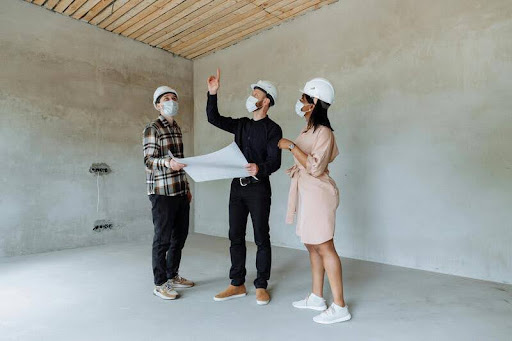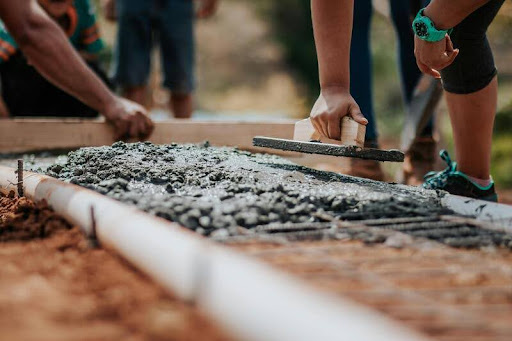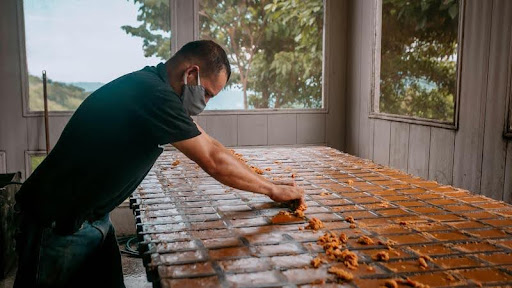
Crafting the foundation—brick by brick, one sustainable step at a time.
Your down-to-earth guide to greener, smarter homebuilding decisions
Building or renovating your home? You’ve probably heard the buzz around going green, but choosing eco-friendly building materials can feel like walking through a forest without a map. What makes a material “green”? Is it just about recycling, or is there more to it? And how do you balance eco-conscious choices with budget and style?
Let’s break it all down. In this guide, we’ll walk you through the basics of eco-friendly building materials, how to pick the right ones, and what really matters when it comes to building a more sustainable home. No fluff, just practical info that helps you make smarter, greener decisions.
What Are Eco-Friendly Building Materials, Really?
Eco-friendly building materials are materials that have a low impact on the environment throughout their lifecycle, from how they’re sourced to how they’re disposed of. That means:
- They come from renewable or recycled sources.
- They’re produced using less energy and fewer harmful chemicals.
- They’re built to last, reducing the need for frequent replacements.
- They don’t release toxins into your home environment.
In short? They’re better for the planet, safer for your family, and often smarter for your wallet in the long run.
What Should I Look for in Sustainable Building Materials?
Let’s talk about the five big pillars of sustainability. When you’re deciding whether a building material is eco-friendly, these are the key things to look for:
1. Sustainability: Is it renewable or responsibly sourced?
Look for materials that can be renewed quickly (like bamboo) or that are reclaimed or recycled. Products labeled with certifications like FSC (Forest Stewardship Council) often meet strict standards for responsible harvesting.
2. Durability: Will it stand the test of time?
If something wears out fast, you’ll have to replace it, wasting money and resources. Choose materials that hold up under normal wear and tear, so you’re not constantly fixing or replacing parts of your home.
3. Energy Efficiency: Does it help you save on heating and cooling?
Insulation is a biggie here. Materials that improve your home’s thermal performance can significantly reduce energy use, cutting your utility bills and your carbon footprint at the same time.
4. Non-Toxicity: Is it safe for indoor air quality?
A lot of conventional materials contain volatile organic compounds (VOCs) or other chemicals that can off-gas into your home.
Eco-friendly materials are typically low- or zero-VOC, which is better for your health, especially if you have kids or allergies.
5. Local Sourcing: Can it be found close to home?
The farther a material travels, the bigger its carbon footprint. Choosing locally sourced products not only supports nearby businesses but also cuts down on transportation emissions.
How Can I Tell If a Material Is Truly Eco-Friendly?
Great question, because “greenwashing” is real. Just because a label says something is sustainable doesn’t always mean it is.
So, how can you tell?
Look for trustworthy certifications:
- FSC (Forest Stewardship Council): Confirms responsible forestry.
- GREENGUARD: Tests for chemical emissions and air quality.
- Cradle to Cradle (C2C): Evaluates materials for safety, recyclability, and renewable energy use.
- LEED credits: These don’t certify products directly but show how they contribute to green building practices.
Check the product’s full life cycle:
- How is it made?
- What raw materials are used?
- How long does it last?
- Is it recyclable or biodegradable?
The more transparent a manufacturer is about their process, the more likely it is that they’re offering a genuinely eco-friendly product.
What Questions Should I Ask Before Buying Green Materials?
Whether you’re shopping online or walking through the aisles of a big-box store, here are some quick-hit questions to ask yourself (or the sales rep):
- Is this material made from recycled or renewable sources?
- How much energy and water were used in its production?
- Does it contain any harmful chemicals or VOCs?
- How far did it travel to get here?
- Will this material hold up for 10+ years?
- Can it be reused or recycled down the line?
Pro tip: If you can’t easily find this info, that might be a red flag.
How Do I Balance Eco-Friendliness with My Budget?
Let’s be real: not all eco-friendly materials are cheap. But that doesn’t mean they’re out of reach.
Here’s how to make smart, balanced choices:
1. Pick your priorities.
If your budget is tight, focus on areas with the biggest impact, like insulation, windows, or flooring. These parts of the home see constant use and can affect your energy bills over time.
2. Compare life-cycle costs, not just upfront price.
That bargain-bin option might be cheap now, but if it wears out in five years, you’ll end up paying more in the long run. Sometimes paying a bit more upfront saves you money (and hassle) down the road.
3. Reuse and repurpose.
Sometimes the greenest choice is already in your attic, garage, or local salvage yard.
Look for second-hand or repurposed materials that still have plenty of life left.
What’s the Best Way to Plan a Green Build or Remodel?
If you’re planning a renovation or building a home from scratch, it helps to think holistically. Sustainability isn’t just about what you buy, it’s about how you design and build from the start.
Here’s how to approach it:
Start with the right team.
Work with contractors, builders, or designers who understand (and care about) sustainable building. They’ll know how to source greener materials, reduce waste, and incorporate eco-friendly practices.
Think beyond the walls.
Don’t forget things like paint, adhesives, sealants, and furniture. These often contain hidden chemicals that can affect indoor air quality.
Make reuse part of the plan.
Ask your contractor about using reclaimed materials where possible, or reusing parts of your existing structure. Fewer new materials = less environmental impact.
Why Does Choosing Green Materials Matter?
Still wondering if all this effort is worth it?
Here’s a stat that might make you think: According to the U.S. Green Building Council, buildings account for nearly 40% of global CO₂ emissions. That includes the energy used to produce, ship, and install building materials.
By making more eco-conscious choices, even on a small scale, you’re contributing to a bigger shift in how we live and build in the world.
Plus, sustainable homes are often:
- Healthier to live in
- Cheaper to maintain over time
- More attractive to future buyers (hello, resale value!)
FAQ: Eco-Friendly Building Materials
Here are some quick answers to common questions people ask:
What are the most sustainable building materials?
Generally, look for rapidly renewable resources (like bamboo), recycled materials (like reclaimed wood or recycled steel), and non-toxic options that improve energy efficiency.
Is using eco-friendly materials more expensive?
Not always. Some are pricier upfront, but many last longer and lower your energy bills, saving you money over time.
How can I reduce waste during my renovation?
Plan ahead to reuse existing materials, donate leftovers, and recycle scrap when possible. Work with a contractor who supports waste reduction.
Do eco-friendly homes have better resale value?
Yes. Green features like energy-efficient materials and sustainable design are increasingly appealing to buyers and can raise home value.
Where can I find certified eco-friendly materials?
Look for suppliers that list third-party certifications like FSC, GREENGUARD, or Cradle to Cradle. Specialty green building stores or online catalogs often provide more transparency.
Ready to Build Smarter?
You don’t have to be perfect to build greener. Even choosing a few eco-friendly materials for your home can reduce your environmental impact, improve your indoor air quality, and save you money in the long run.
Start with what matters most to you: your health, your budget, your values, and go from there. Need help figuring out where to begin? Bookmark this guide or share it with your contractor to keep the conversation going.
About the Author