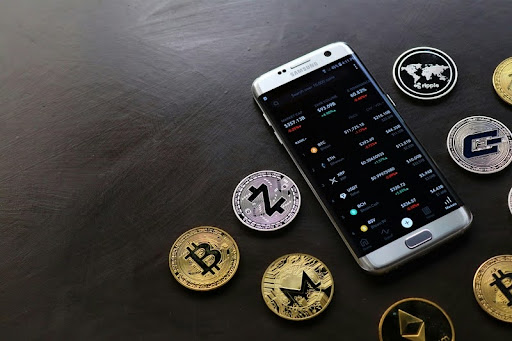
Tracking crypto trades on the go—security still starts at your fingertips.
Crypto trading can be exciting, and let’s be honest, a bit nerve-wracking too. Whether you’re buying Bitcoin for the first time or swapping altcoins daily, one thing’s for sure: you need a secure place to store your digital assets. That’s where crypto wallets come in.
But how do you choose the right one without getting overwhelmed by all the jargon and options?
Let’s break it down in plain English.
What Is a Crypto Wallet and Why Does It Matter for Traders?
A crypto wallet is your digital vault. It stores your private keys, which are what you need to access and manage your cryptocurrency. Think of it like your online banking app, but instead of logging in with a password, you’re unlocking your funds with cryptographic keys.
If you’re trading crypto frequently, the wallet you use directly affects your security, speed, and peace of mind. Use the wrong one, and you might be exposing your assets to unnecessary risk.
What Are the Main Types of Crypto Wallets?
Let’s get to the core of it. There are two main categories: hot wallets and cold wallets.
What Is a Hot Wallet?
Hot wallets are connected to the internet. They’re super convenient for active trading because you can move funds quickly.
- Pros: Fast access, user-friendly, usually free
- Cons: More vulnerable to online hacks
These wallets are often apps or browser extensions. They’re great for daily use, but not so great if you’re holding large amounts of crypto.
What Is a Cold Wallet?
Cold wallets store your crypto offline. Think USB-style devices or even paper with QR codes.
- Pros: Much safer from online threats
- Cons: Less convenient for frequent trading
Cold wallets are ideal for long-term holders or anyone serious about security. But they’re not as fast or easy to use when you’re trying to jump on a market dip.
Custodial vs Non-Custodial: What’s the Difference?
This one’s important.
- Custodial wallets are managed by a third party (like an exchange). You don’t hold your private keys, they do.
- Non-custodial wallets put you in control. You own your keys, and that means you own your crypto.
If the phrase “not your keys, not your crypto” sounds familiar, it’s because control matters. Non-custodial wallets offer more security, but require more personal responsibility.
What Features Should You Look for in a Secure Trading Wallet?
Here’s the checklist smart traders use when comparing wallets:
Strong Encryption and Private Key Protection
Look for wallets that encrypt your private key locally on your device. You don’t want your data floating around in the cloud.
Two-Factor Authentication (2FA)
It’s a basic layer of extra protection. If your wallet doesn’t support 2FA, it’s probably time to move on.
Backup and Recovery Options
Losing access to your wallet shouldn’t mean losing your crypto forever. A good wallet gives you a recovery phrase or lets you back up your data safely.
Multi-Platform Compatibility
Want to trade on both your phone and laptop? Make sure the wallet supports multiple operating systems, Windows, macOS, Android, iOS, etc.
Exchange Integration
If you’re a frequent trader, having wallet-to-exchange integration saves you time (and stress). Some wallets let you trade directly from the interface.
Transparent Development and Strong Reputation
Open-source wallets that are updated regularly? Big win. It means the community can spot issues early, and developers are keeping things tight.
How Do You Know a Crypto Wallet Is Safe?
Anyone can say their wallet is secure. But how do you know?
Look for Security Audits
Reputable wallets undergo third-party audits. This helps catch vulnerabilities before hackers do.
Check for Open-Source Code
Open-source wallets let the crypto community inspect and verify the code. It’s like having thousands of people checking for bugs instead of just a few in-house developers.
Track Record and Updates
How often is the wallet updated? Frequent updates mean developers are staying ahead of threats.
User Reviews and Community Trust
A strong community following is usually a good sign. If a wallet is getting hammered with bad reviews or complaints, that’s a red flag.
What’s the Best Balance Between Security and Usability?
Now, here’s the million-dollar question: How do you keep your assets safe without making trading a huge hassle?
Start by deciding how much you trade. If you’re swapping coins every day, you might need a hot wallet for speed. But it’s smart to pair that with a cold wallet for long-term holdings.
You don’t have to choose one or the other. Plenty of people use a combination of, hot wallet for daily trades and, cold wallet for savings. That’s the best of both worlds.
What Mistakes Should You Avoid When Choosing a Wallet?
Let’s keep you ahead of the game. Here are a few common slip-ups traders make:
Storing All Funds in a Hot Wallet
This one’s risky. Keep only what you need for trading in your hot wallet.
The rest? Cold storage.
Skipping the Backup
It’s easy to forget, but if your phone dies or your app crashes and you didn’t back up your keys, you could lose everything.
Sharing Your Seed Phrase
Never. Not with friends, not with customer support, not with anyone. If someone has your seed phrase, they can drain your wallet.
Using Unverified Apps or Extensions
If you’re downloading a wallet, double-check the URL or app store listing. Fake wallet apps are a known scam method.
How to Choose the Best Crypto Wallet for Your Needs: A Final Checklist
Before you commit, run through this list:
- Do you control your private keys?
- Is the wallet secure and updated regularly?
- Does it offer two-factor authentication?
- Can you easily back it up and recover it?
- Is it easy to use for the type of trading you do?
- Is the provider transparent and trustworthy?
If you can check all those boxes, you’re on the right path.
Quick Tips to Stay Secure While Trading Crypto
Let’s wrap up with a few rapid-fire reminders:
- Always use strong, unique passwords
- Enable biometric logins where available
- Don’t click on wallet links in emails, go directly
- Keep your devices updated and protected
- Test your recovery process (yes, seriously, just don’t wipe your wallet doing it)
FAQs: Crypto Wallets for Trading Security
Q: What’s the safest type of crypto wallet for trading?
A: A combination of a hot wallet for active trades and a cold wallet for long-term storage is generally the safest setup.
Q: Can I use more than one crypto wallet?
A: Yes! Many traders use multiple wallets to separate trading, savings, and staking activities.
Q: What happens if I lose my wallet or device?
A: If you’ve backed up your recovery phrase, you can restore your wallet on a new device.
Q: Are mobile wallets safe for trading?
A: Mobile wallets are convenient but can be risky if your phone isn’t secure. Use 2FA and a PIN or biometric lock.
Q: Should I trust exchange wallets for storing crypto?
A: They’re fine for short-term use, but not ideal for storing large amounts. Not your keys, not your crypto.
Final Thoughts
Choosing the best crypto wallet for trading doesn’t have to be complicated, but it does require a bit of thought. By focusing on key features, understanding the trade-offs, and staying alert to security risks, you’ll be in a much stronger position to trade with confidence.
Want to dive deeper into wallet options or need help setting one up? Drop your questions in the comments, we’re here to help.
Or better yet, subscribe to stay updated on crypto security tips and tools. Your future self (and your crypto balance) will thank you.
About the Author