Doing the homework before the handshake—smart investors ask the right questions
Thinking about buying commercial property? Whether it’s an office building, retail space, or warehouse, commercial real estate is a big investment, and big investments come with big responsibilities. That’s where due diligence steps in.
So, what is due diligence in commercial real estate? Simply put, it’s your deep-dive investigation before closing the deal. You’re not just kicking the tires, you’re popping the hood, checking the engine, and reading the fine print on the warranty.
Let’s break it all down in plain language, one step at a time.
What Is the Purpose of Due Diligence in Commercial Real Estate?
The goal is simple: know what you’re buying.
Due diligence helps you uncover red flags, confirm the property’s value, and make sure it aligns with your investment goals. Skipping this process can lead to unexpected repairs, legal headaches, or even a total financial flop.
It’s like dating before marriage. Would you commit to a lifelong partnership after one coffee date? Probably not. The same logic applies here, except the stakes involve hundreds of thousands (or millions) of dollars.
What Legal Documents Should You Check First?
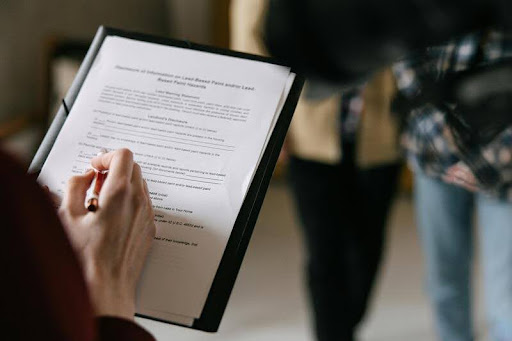
Start with the title deed. This proves the seller owns the property and has the legal right to sell it. You’ll also want to:
- Look for liens or unpaid debts tied to the property
- Review easements, which could allow others to use parts of the land (like utility companies)
- Confirm the property is zoned correctly for your intended use
- Double-check access rights. Can tenants and customers get in and out easily?
A real estate attorney is your best friend here. They can interpret legal documents, spot inconsistencies, and make sure there are no nasty surprises.
How Do You Analyze the Financial Health of the Property?
Time to talk numbers. This is where commercial real estate due diligence shows its value.
Start by requesting:
- Profit and loss statements from the past 1–3 years
- A current rent roll listing all tenants, lease terms, and rental rates
- Operating expenses like insurance, property management, maintenance, and taxes
- Any capital expenditures or upcoming repairs that the owner knows about
What you’re looking for is cash flow consistency. Are the tenants stable? Are the expenses reasonable? If the building has high turnover or unexplained costs, that’s a red flag worth pausing over.
Also, make sure all income has been documented, not just verbally promised.
What Should a Property Inspection Include?
Don’t judge a book by its cover, and don’t judge a building by its lobby.
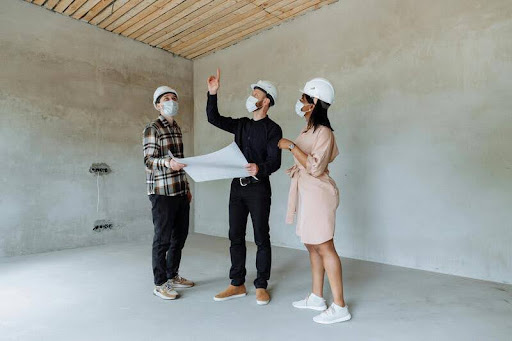
A full commercial building inspection should cover:
- Roof and structural integrity
- Plumbing, electrical, and HVAC systems
- Fire protection systems and sprinkler condition
- ADA accessibility (is it up to federal standards?)
- Potential environmental hazards like mold, asbestos, or lead paint
You might need to bring in specialists, like a mechanical engineer or environmental consultant, depending on the age and type of the building.
Inspections aren’t cheap. But skipping one could cost you 10x more later in repairs or lawsuits.
What Are the Zoning and Regulatory Requirements?
Zoning laws are non-negotiable. You can’t just turn a warehouse into a nightclub or an office building into a daycare without city approval.
As part of your due diligence:
- Confirm the current zoning classification
- Check with local authorities for future zoning plans
- Make sure your intended use is compliant
- Ask about variance requirements if you plan to make changes
Also, review past building permits to see if any work was done illegally. If the seller added walls, HVAC, or fire sprinklers without a permit, guess what? You inherit the problem.
How Do You Evaluate the Location and Market?
You’re not just buying a building, you’re buying into the neighborhood.
Market due diligence should include:
- Trends in nearby property values
- Local economic growth and job development
- Supply and demand for commercial space in that area
- Accessibility to highways, transit, and customer traffic
- Vacancy rates in nearby buildings
The location might seem perfect now, but what about five years down the road? If a massive mall or tech hub is planned nearby, it could drive up foot traffic and property value. On the flip side, a new bypass might pull traffic away and leave your storefront lonely.
Check with the local planning department for upcoming projects that could affect your investment.
What Contracts and Agreements Should You Review?
This step often gets overlooked, but can seriously affect your bottom line.
Ask the seller for:
- Service contracts (trash, security, landscaping, janitorial)
- Maintenance agreements (HVAC, elevators)
- Vendor obligations (who’s locked in, and for how long?)
- Utility agreements and shared infrastructure setups
- Insurance policies (make sure you’re covered!)
You’ll want to know what contracts can be assigned to you as the new owner and what needs to be renegotiated.
Who Should You Hire to Help With Due Diligence?
Good news, you don’t have to go it alone.
Build a team of trusted professionals to back you up. Consider:
- A commercial real estate attorney for legal documents
- A CPA or financial advisor to review the numbers
- A licensed inspector or engineer for the building check
- A broker or commercial agent with local expertise
- Possibly an environmental consultant
They’ll help you avoid common traps and make sure no stone goes unturned. Think of them as your real estate pit crew, ready to fix any issue before you take the car onto the track.
What Should Be on Your Commercial Due Diligence Checklist?
Every smart investor has a checklist. Here’s a sample of what to include:
- Legal: Title deed, zoning verification, permits
- Financial: Rent roll, P&L statements, taxes, debt
- Physical: Building inspection, system condition, environmental risks
- Operational: Tenant agreements, service contracts, warranties
- Market: Location trends, nearby developments, competition
Organize your checklist by category. Use folders (physical or digital) to keep everything in one place. And don’t rush. Due diligence takes 30 to 90 days, depending on the size of the property.
How Do You Decide Whether to Proceed or Walk Away?
Once you’ve reviewed everything, it’s decision time.
Here’s what to ask yourself:
- Does the property meet your financial goals?
- Are there any deal-breaking red flags?
- Can you negotiate a better price based on what you found?
- Are you comfortable with the risks?
You might move forward as planned. Or you might ask for repairs, credits, or price reductions. And if things don’t check out, it’s okay to walk away.
Better to lose a deal than to get stuck with a lemon you can’t unload.
Final Thoughts: Due Diligence Is Your Best Defense
Let’s be real, commercial real estate is exciting, but it’s also complex. Due diligence gives you the power to make smart, confident decisions. It’s not just a box to check. It’s your entire defense system against regret.
So take your time, ask the right questions, lean on your team, and trust the process. It’s not about being paranoid. It’s about being prepared.
Looking for a downloadable due diligence checklist? Stay tuned, we’ve got one coming soon!
FAQ: Commercial Real Estate Due Diligence
What is due diligence in commercial real estate?
Due diligence is the process of thoroughly investigating a property before purchasing it to confirm its legal status, financial performance, physical condition, and suitability for your
How long does commercial real estate due diligence take?
Typically, 30 to 90 days, depending on the property size, complexity, and type of financing involved.
Do I need a lawyer for commercial property due diligence?
Yes. A real estate attorney is essential for reviewing legal documents, identifying title issues, and helping with contracts.
What is the most important part of due diligence?
There’s no single “most important” part; it’s the combination of legal, financial, physical, and market analysis that paints the full picture.
Can I negotiate after due diligence?
intended use.
About the Author