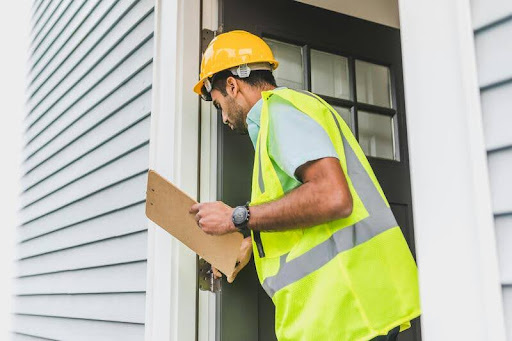
On the job: A home inspector examines key structural elements during a routine property check
When it comes to buying or selling a home, you can’t afford to skip the inspection. It’s one of those non-negotiable steps that can save you a ton of money and stress down the line. But here’s the thing: not all inspectors are created equal. So, how do you find a reliable real estate inspector near you without getting overwhelmed or overcharged?
Let’s walk through it together.
What Does a Real Estate Inspector Do?
A real estate inspector is like your behind-the-scenes home detective. Their job is to thoroughly examine a property and point out what’s working, what’s not, and what might cause problems in the future.
They’ll take a close look at:
- Structural elements like the foundation and roof
- Systems such as plumbing, electrical, and HVAC
- Appliances and safety features like smoke detectors
- Visible signs of water damage, mold, or pests
The goal? To give you a detailed, honest snapshot of the home’s condition, before you’re locked into a deal.
Why Is It So Important to Hire the Right Home Inspector?
Let’s be real: buying a house is one of the biggest financial decisions most people will ever make. The last thing you want is to move in and find out the roof is leaking or the wiring’s a fire hazard.
A good inspector helps you:
- Avoid surprise repair costs
- Back out of a deal if major issues come up
- Negotiate a better price or ask the seller to make repairs
On the flip side, hiring someone unqualified could mean missing serious red flags. And that could cost you thousands, or worse, your safety.
Where Can You Start Looking for a Home Inspector?
So, how do you find inspectors in your area that are worth your time (and money)? Start with these easy options:
1. Google it, but dig deeper than page one.
Search for “certified home inspector near me” or “licensed home inspector in [your city/state].” But don’t just click the first link. Read the reviews. Check how current their website is. Look for transparency.
2. Ask for referrals from people you trust.
Got a friend who just bought a home? Ask who they used and if they’d hire them again. You can also ask your real estate agent, but do your vetting too. Some agents have go-to inspectors, which isn’t always a bad thing, but you want to be sure they’re impartial.
3. Use professional organizations.
Associations like the American Society of Home Inspectors (ASHI) or InterNACHI have inspectors who are usually certified, insured, and held to a code of ethics. Always a good sign.
What Should You Look for in a Reliable Inspector?
Finding an inspector is easy. Finding a qualified one? That takes a little more effort. Here’s what you’ll want to check:
Licensing and Certification
Requirements vary by state, but most have licensing boards. Make sure your inspector is certified and in good standing. If you’re in a state that doesn’t require licenses (like California), certifications from national organizations become even more important.
Experience and Specialty
How many inspections have they done? Are they familiar with your type of property, condo, townhome, older homes, or new builds?
Insurance Coverage
A professional should carry Errors and Omissions (E&O) insurance. This protects you if they miss something big.
Sample Reports
Ask to see a past inspection report. A reliable inspector provides clear, detailed, and easy-to-understand reports, complete with photos and next-step suggestions.
What Questions Should You Ask Before Hiring?
Don’t be afraid to pick up the phone or shoot over an email. A short Q&A can reveal a lot about their professionalism. Try asking:
- How long have you been inspecting homes?
- Are you licensed and insured in this state?
- Do you offer a sample report I can review?
- How long will the inspection take?
- Can I attend the inspection? (The answer should be yes, it’s a great learning opportunity.)
- What tools do you use? (Moisture meters, drones, thermal imaging? All useful additions.)
Their answers should be confident, informative, and friendly, not vague or defensive.
What Are the Red Flags to Avoid?
If anything feels off, trust your gut. Here are some classic warning signs:
🚩 They won’t provide proof of licensing or insurance. 🚩 They rush the process or avoid answering questions. 🚩 They have very few (or very bad) online reviews. 🚩 They quote a suspiciously low price. Cheap inspections often mean less thorough work. 🚩 They refuse to let you be present during the inspection. Big no-no.
How Do You Compare Different Inspectors?
Once you’ve got a shortlist, it’s time to weigh your options. Think of it like dating, you’re looking for the right fit, not just the first one who shows up.
Create a simple comparison chart and consider:
- Experience level
- Report quality
- Communication style
- Availability and flexibility
- Cost (but don’t base your decision only on price)
One person might have more credentials, while another has better availability.
searchable directories. Aim for the best balance.
When’s the Best Time to Schedule the Inspection?
For buyers, the sweet spot is after your offer is accepted but before your option or contingency period ends (usually 7–10 days).
That gives you time to:
- Attend the inspection
- Review the report
- Negotiate repairs or walk away if things look bad
Don’t wait until the last minute. A rushed inspection rarely works in your favor.
What Should You Expect on Inspection Day?
The inspection typically takes 2–4 hours, depending on the home’s size and condition. Here’s how to make the most of it:
- Show up. Seriously, being there lets you ask questions and see issues firsthand.
- Take notes. The inspector will talk through what they see, but it’s helpful to jot down details.
- Don’t panic. Every home has flaws. Focus on big-ticket items like structural issues, roof damage, or mold.
You’ll get the full report within 24–48 hours, depending on the inspector. Use it to make smart decisions, not just emotionally driven ones.
Wrapping It Up: Do Your Homework, Trust Your Instincts
Choosing the right home inspector isn’t just a box to check. It’s a big part of protecting your investment. Take the time to research, ask questions, and compare options.
Yes, it may feel like another step in an already stressful process. But it’s one of the few you truly control, so make it count.
FAQ: Real Estate Inspectors Near Me
Q: How much does a real estate inspection usually cost? A: It depends on location and home size, but most U.S. home inspections range from 0 to 0. Larger homes or specialty services may cost more.
Q: Should I attend the inspection? A: Yes! It’s the best way to understand your future home and get clarity directly from the inspector.
Q: Are home inspectors regulated? A: In most states, yes. They need a license, continuing education, and must follow strict standards. Check your state’s licensing board.
Q: Can I use the inspector my real estate agent recommends? A: Sure, but still do your research to ensure there’s no conflict of interest and the inspector is qualified.
Q: What happens if the inspection finds something wrong? A: You can ask the seller to fix it, lower the price, offer a credit, or, in some cases, walk away entirely.
Ready to Start Your Search?
Now that you know what to look for, go ahead and start reaching out to inspectors in your area. Take your time, ask the right questions, and choose someone who makes you feel confident about your homebuying (or selling) journey.
Keywords used naturally throughout the article:
- How to find reliable real estate inspectors near you
- licensed home inspector near me
- certified home inspection
- The best way to hire a home inspector
- What to ask a home inspector
- Home Inspection Red Flags
- Affordable home inspector with good reviews
Let me know if you’d like a downloadable checklist or sample questions to bring to your inspection!
About the Author