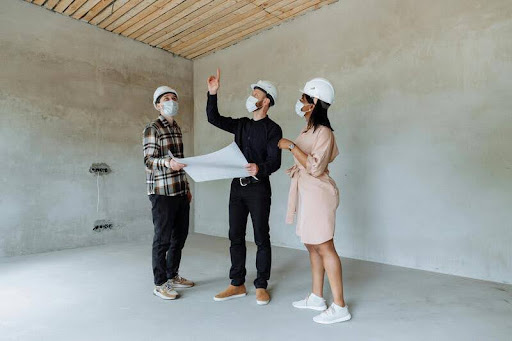
A building inspector reviews progress on-site—every permit needs a final stamp of approval.
Thinking about adding a deck, remodeling your kitchen, or maybe building from scratch? Before you pick up a hammer or hire a contractor, there’s one not-so-glamorous step you can’t skip: getting a building permit. It might sound like a hassle, and yeah, sometimes it is, but it’s also one of the most important parts of keeping your project legal, safe, and fully above board.
So how exactly do you get a building permit in the U.S.? What’s involved, how long does it take, and why should you care?
Let’s break it down in plain English.
What is a building permit, and do I really need one?
A building permit is an official approval from your local government that allows you to move forward with a construction or remodeling project. It’s basically the city or county saying, “Okay, your plans follow our rules. Go ahead.”
Permits are usually issued by your local building department, often at city hall or a similar government office. And yes, you really do need one for most structural, electrical, plumbing, or big cosmetic jobs.
Skipping the permit might seem tempting. Less paperwork, fewer delays, right? But here’s the deal: building without a permit can come back to bite you, hard. We’re talking stop-work orders, fines, insurance headaches, and resale nightmares.
What kind of projects require a building permit?
Not everything needs a permit, but many things do. Here’s a quick cheat sheet:
You probably need a permit if you’re:
- Building a new home or structure
- Adding an extra room or floor
- Changing plumbing or electrical systems
- Installing a new roof
- Removing or adding walls
- Digging for a foundation
- Doing a major kitchen or bathroom remodel
You might not need one if you’re:
- Painting or wallpapering
- Replacing cabinets (without electrical or plumbing work)
- Swapping out flooring
- Installing new countertops
- Doing small repairs or maintenance
When in doubt, call your local permit office and ask. It’s better to double-check than pay later, literally.
Why are building permits important anyway?
Good question. Why go through all this red tape?
Because permits protect you.
Here’s how:
- Safety: Your plans have to meet local building codes designed to protect occupants from fires, structural issues, or other hazards.
- Liability: If someone gets hurt and you didn’t get a permit? Your insurance might not cover it.
- Resale: When you sell your home, unpermitted work can lower the value or delay the sale.
- Inspections: The permit process includes inspections that catch issues early, before they become expensive problems.
Bottom line? Permits may be annoying, but they help keep your home safe and your investment solid.
Who handles building permits?
Here’s who’s typically involved:
- You, the property owner or applicant
- Your contractor (if you hire one, they often pull permits on your behalf)
- The local building department, which issues permits and sends inspectors
- Inspectors, who check your work at key stages
If your project involves an architect or structural engineer, they’ll help draw up plans that meet code. That’s often a must for bigger projects.
How do I apply for a building permit?
Let’s walk through it step by step.
Step 1: Check your local requirements
Every city or county has its own rules. Visit your local government’s website or call the building department to see:
- Which permits you need
- What documents to submit
- How long does it typically take
Tip: Google something like “building permit [your city]” to go straight to the right site.
Step 2: Gather your documents
You’ll usually need:
- Project plans or blueprints
- A detailed description of the work
- A site plan showing the layout of your property
- Contractor’s license info (if you’re not DIY-ing)
The more complete your application, the faster it’ll move.
Step 3: Submit your application
Many places let you apply online. Others still do things old-school with paper forms at city hall. You’ll submit your plans, pay a fee, and wait for review.
Step 4: Wait for approval
Review times vary depending on your location and the size of the project. You might get quick approval for something small, or wait weeks for complex builds.
Step 5: Start work, carefully
Once approved, you’ll get your permit and can begin. But keep in mind: you’ll need inspections at various stages, like after framing, plumbing, or electrical work.
Step 6: Schedule inspections
Inspections make sure everything’s up to code. If something doesn’t pass, you’ll need to fix it and get re-inspected.
Step 7: Final inspection and sign-off
When the job’s done, schedule a final walkthrough. Once you pass, you’re all set. Your project is officially legit!
What documents do I need to get a building permit?
Here’s a simple checklist:
- Permit application form (usually downloadable online)
- Detailed construction plans
- Site or plot plan
- Scope of work – what exactly are you doing?
- Contractor’s info – name, license number, insurance (if hired)
- Proof of ownership or landlord consent if you’re renting
Make sure everything is clear and accurate. Missing or sloppy paperwork = delays.
How long does it take to get a building permit?
It depends. Seriously.
In some small towns, you might get approved in a day or two. In large cities, or for more complex projects, it could take 2 to 6 weeks, sometimes longer.
Factors that affect the timeline include:
- Size and complexity of the project
- Current workload at the building department
- Whether your plans need revisions
Tip: Applying during spring and summer can mean longer waits, as permit offices get slammed in busy building seasons.
How much does a building permit cost?
Permit fees vary wildly across the U.S. and depend on:
- Your project’s size and value
- Local fee structures
- Whether the permit covers multiple trades (e.g., plumbing + electrical)
Here’s a ballpark idea:
- Minor renovations: $50–$200
- Major remodels: $500–$2,000
- New home builds: $2,000–$5,000+
Some cities also charge fees for plan review, re-inspections, or expedited service.
Want to avoid surprise costs? Ask for a fee breakdown upfront.
What are the most common mistakes people make?
Plenty of homeowners run into issues during the permit process. Here are some of the big ones:
- Skipping the permit entirely just… don’t. It can cost way more in the long run.
- Underestimating the timeline. Give yourself a buffer, especially if your project’s on a tight schedule.
- Using vague or incomplete plans, Vague drawings = guaranteed delays.
- Forgetting inspections, Inspections are mandatory. Skipping them can void your permit.
- Assuming all areas follow the same rules, what’s okay in one state might not fly in another. Always check your local codes.
How can I make the building permit process easier?
Let’s be honest: the permit process isn’t always smooth. But here’s how to make it better:
- Start early. Don’t wait until the week before construction.
- Talk to the permit officer. They’re not your enemy! Most folks are happy to help if you ask questions up front.
- Hire professionals when needed. Architects, contractors, and engineers know the ins and outs of this stuff.
- Keep organized records. Save your paperwork. You’ll need it if you sell, refinance, or make changes down the road.
- Be patient but persistent. Sometimes it takes a few follow-ups to keep things moving.
FAQ: Quick Answers to Common Permit Questions
Do I need a permit for a fence or shed?
Usually yes, especially if it’s over a certain height or has utilities. Always check local ordinances.
Can I apply for a permit as a homeowner?
Yes. In many states, homeowners can pull permits for work on their primary residence. Just make sure you understand the rules.
What happens if I build without a permit?
You could face fines, be forced to stop or undo the work, and run into trouble selling the property later.
Can I get a permit after the work is done?
Sometimes, but it’s complicated. You’ll likely need inspections and may have to open up walls or redo parts of the project.
Do permits expire?
Yes. Most permits have a set time window (e.g., 6 months to a year). If you don’t start or finish on time, you may need to renew.
Final Thoughts: Don’t Skip the Permit
Sure, dealing with building permits can feel like jumping through hoops. But those hoops are there for a reason. They help make sure your project is safe, legal, and solid from the ground up.
If you’re serious about your construction or renovation, taking the time to follow the process properly is 100% worth it. Do your research, stay organized, and don’t be afraid to ask questions along the way.
Ready to start your project? Start by checking your local permitting office’s website; they usually offer guides and checklists to get you going.
About the Author