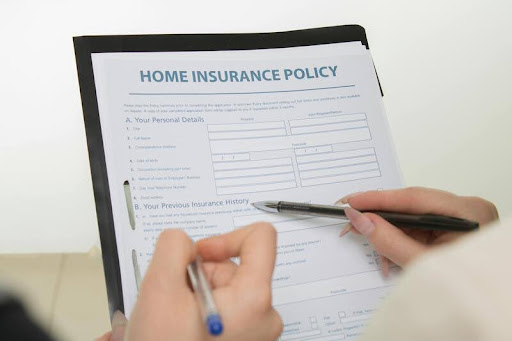
Understanding your home insurance policy is key to protecting your property
Let’s be honest, home insurance isn’t exactly the most thrilling topic. But when something goes wrong, it’s one of those things you’re really glad you paid attention to. Whether you’re buying your first house or just want to make sure your current policy has your back, getting the best home insurance is about more than just picking the cheapest quote online.
This guide will walk you through everything you need to know, no jargon, no fluff. Just clear, helpful info to make sure your property’s protected and your mind’s at ease.
What does home insurance cover?
Home insurance usually covers your home’s structure, your stuff, and personal liability.
Here’s the breakdown:
- Dwelling coverage protects the physical structure of your home, walls, roof, floors, and built-in appliances.
- Personal property coverage covers things like furniture, clothes, electronics, and more.
- Liability coverage steps in if someone gets hurt on your property and decides to sue.
There’s usually additional coverage for temporary living expenses if your home becomes unlivable due to a covered event (like fire or storm damage). But, and this is a big one, not everything is automatically covered.
What does home insurance not cover?
Standard home insurance doesn’t usually cover floods, earthquakes, or wear and tear.
So if you’re in a flood-prone area, you’ll need separate flood insurance. The same goes for earthquakes. And don’t expect your policy to pay for things like a leaky faucet or an old roof falling apart from age.
Always read the exclusions section of your policy. It’s not the most exciting bedtime reading, but it could save you major headaches down the line.
How many types of home insurance are there?
There are eight types of standard home insurance policies, but most people choose HO-3 or HO-5.
The most common ones are:
- HO-3: This is the most popular for single-family homes. It covers your home against most risks (unless specifically excluded) and your belongings against named perils.
- HO-5: Offers broader coverage, including your stuff, with fewer limitations.
- HO-4 and HO-6: These are for renters and condo owners, respectively.
Not sure which one fits you? Don’t worry, you’re not alone. If you own a single-family house, an HO-3 is probably what you’re looking for. But always double-check with your insurer.
How do I know how much home insurance I need?
Start by figuring out how much it would cost to rebuild your home, not what you paid for it.
That’s called replacement cost, and it’s not the same as market value. A 0,000 home might cost 0,000 to rebuild, or it might cost 0,000, depending on location, materials, and labor costs in your area.
Also think about:
- The value of your personal belongings
- Whether you have high-value items like jewelry, collectibles, or electronics
- How much liability coverage makes sense for you (hint: more is often better)
Quick tip: Do a home inventory. It’s easier than it sounds, just walk through your home, snap photos of your stuff, and jot down values. This helps you get the right coverage and makes filing claims way easier later.
What’s the best way to compare home insurance providers?
The best way to compare home insurance is by looking at price, coverage, reputation, and customer service, not just one of those.
Here’s what to look at when comparing:
- Premiums: The monthly or annual cost of your policy
- Deductibles: What you pay out-of-pocket before insurance kicks in
- Coverage limits: The maximum amount they’ll pay for different types of losses
- Customer satisfaction: Check reviews and ratings from sources like J.D. Power and the NAIC
- Financial strength: Make sure the company can pay out when you need it (AM Best is a good resource)
And don’t forget to get quotes from at least 3–5 companies. Rates vary more than you think, even for the same house.
What affects the cost of home insurance?
Your home’s location, condition, size, and your credit score can all impact your insurance premium.
Let’s break that down:
- Where you live: High-crime or disaster-prone areas = higher rates
- Construction materials: Brick homes usually cost less to insure than wood-frame homes
- Proximity to a fire station: Closer often means lower premiums
- Your credit score: In most states, insurers can use your credit-based insurance score
- Claims history: If you’ve filed lots of claims, expect a higher rate
According to the Insurance Information Institute, the average annual premium for homeowners insurance in the U.S. is around ,428 (as of 2024). But in high-risk states, that number can jump significantly.
How do deductibles work, and how should I choose one?
Your deductible is what you pay before your insurance covers the rest, and higher deductibles usually mean lower premiums.
Think of it like this:
- Choose a higher deductible (like 500), and your premium goes down, but you pay more out-of-pocket if something happens.
- Choose a lower deductible (like 0), and your premium goes up, but you’ll pay less if you file a claim.
Ask yourself: Could I afford to pay this deductible in an emergency? If the answer is no, go lower, even if it costs a little more monthly.
Can I customize my home insurance policy?
Yes, you can add extra coverage (called endorsements or riders) to cover things standard policies don’t.
A few add-ons worth looking into:
- Flood or earthquake insurance (especially in high-risk zones)
- Scheduled personal property for expensive valuables
- Water backup coverage in case a sump pump or drain backs up
- Extended replacement cost to account for inflation or rising construction costs
These riders might raise your premium, but they can save you from big out-of-pocket surprises down the road.
What should I look for in the fine print?
Look for how claims are paid out, limits on coverage, and definitions of what’s excluded.
Two big terms to watch for:
- Replacement cost vs. actual cash value: Replacement cost pays to replace your items new; actual cash value subtracts depreciation.
- Claim limits: Some items, like jewelry or electronics, may only be covered up to a small amount unless you get extra coverage.
Always ask your insurer to walk through anything that seems unclear. If something doesn’t feel right, don’t hesitate to shop around.
What questions should I ask before buying home insurance?
Ask about the claims process, policy limits, discounts, and how to adjust coverage later.
Here are a few to get you started:
- What’s included, and what’s not?
- How do I file a claim, and how long does it usually take to get paid?
- Can I bundle with auto insurance for a discount?
- What happens if I renovate or add square footage? How do I update my policy?
You’re not being difficult by asking questions. You’re being smart.
How often should I review or update my home insurance?
You should review your policy every year or after big life changes.
Here’s when to take a second look:
- Renovations or home upgrades
- Buying expensive new items
- Moving or changing your address
- New family members or pets
- Changes in local rebuilding costs
Don’t wait until disaster strikes to find out you’re underinsured.
A quick annual check-in could make all the difference
Final Thoughts: What’s the smartest way to get the best home insurance?
At the end of the day, the best home insurance is the one that truly protects your home, not just the one with the lowest quote or catchiest commercial. It’s about coverage that fits your needs, a company you trust, and the peace of mind that comes with knowing you’re protected.
So take your time. Ask the hard questions. Compare your options. And remember, this isn’t just paperwork, it’s your safety net.
Quick FAQ: Home Insurance Basics
What’s the difference between replacement cost and actual cash value?
Replacement cost covers the full cost of replacing items with new ones; actual cash value subtracts depreciation.
Does the law require home insurance?
Not by law, but most mortgage lenders require it.
Does home insurance cover mold or termites?
Usually not. Mold and termite damage are often considered preventable and require separate coverage or maintenance.
Can I switch home insurance companies anytime?
A quick annual check-in could make all the difference
Final Thoughts: What’s the smartest way to get the best home insurance?
At the end of the day, the best home insurance is the one that truly protects your home, not just the one with the lowest quote or catchiest commercial. It’s about coverage that fits your needs, a company you trust, and the peace of mind that comes with knowing you’re protected.
So take your time. Ask the hard questions. Compare your options. And remember, this isn’t just paperwork, it’s your safety net.
Quick FAQ: Home Insurance Basics
What’s the difference between replacement cost and actual cash value?
Replacement cost covers the full cost of replacing items with new ones; actual cash value subtracts depreciation.
Does the law require home insurance?
Not by law, but most mortgage lenders require it.
Does home insurance cover mold or termites?
Usually not. Mold and termite damage are often considered preventable and require separate coverage or maintenance.
Can I switch home insurance companies anytime?
Yes. You can switch at any time, just be sure your new policy is active before canceling the old one.
How do I lower my home insurance premium?
You can lower your premium by raising your deductible, bundling policies, improving home security, or shopping for better rates.
Got questions about your current policy or thinking of switching providers? Don’t keep wondering, talk to an agent, compare quotes, or do a little digging on your own. A few hours now could save you thousands later.
About the Author