A quick battery check can save you from a roadside surprise.
You hop in your car, turn the key (or push the button), and… nothing. Or maybe it groans a little before finally starting. Sound familiar?
Most of us don’t give our car battery much thought until it lets us down. And by that point, we’re often stranded in a parking lot or stuck trying to flag down someone with jumper cables.
So, how do you know when your battery is on its last leg before it completely gives out? Let’s break it down so you can avoid the stress (and tow truck fees).
How long does a car battery usually last?
Most car batteries last about 3 to 5 years, but it’s not a one-size-fits-all situation. If you live in a hot state like Arizona or Florida, your battery might wear out faster. On the flip side, extreme cold (hello, Minnesota winters) can also take a toll.
Driving habits play a role, too. If you’re mostly doing short trips around town, your battery doesn’t get much time to recharge. That adds up over time.
Pro tip: If your battery’s more than three years old, it’s smart to start watching for signs of trouble. After five years? Consider replacement even if things seem fine; it’s better than being surprised.
What are the warning signs of a dying car battery?
Here’s where things get real. Your car will usually try to give you a heads-up before the battery quits. You just have to know what to look for:
1. Slow engine crank
Does your engine sound sluggish when you start the car? Like it’s struggling to turn over? That’s often your battery saying, “Help me.”
2. Dim headlights or dashboard lights
If your lights look like they’re running at half-power, especially when you first start the car, your battery may be losing its juice.
3. Weird electrical problems
Is your radio cutting in and out? Power windows acting up? These aren’t just random glitches, they could be signs your battery isn’t supplying consistent power.
4. Battery or check engine light is on
Modern cars are pretty good at telling you when something’s wrong. If you see the battery warning light or even the check engine light, it’s worth getting things checked out.
5. Corrosion on battery terminals
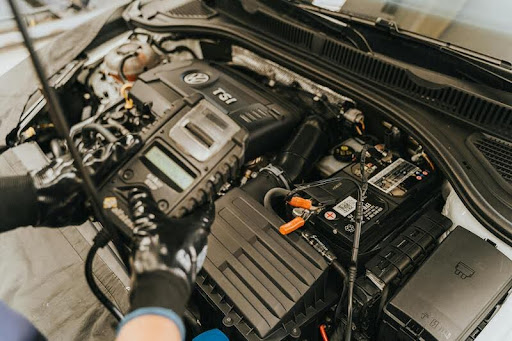
Pop the hood. If you see a white or bluish crust around the battery terminals, that’s corrosion. It can interfere with the battery’s ability to connect with the rest of your car.
6. Swollen battery case
In high heat or if your battery has overcharged, the case can swell up. If it looks like it’s puffing out, it’s time to replace it.
7. Frequent jump-starts
If you’re jump-starting your car more than once in a short span of time, it’s a big red flag. Sure, it might be your alternator, but if not, the battery is likely the problem.
When should you test your car battery?
You should test your battery at least once a year after it hits the 3-year mark. More often, if you notice any of the warning signs above.
It’s also a smart move before major seasonal shifts, especially winter. Cold temperatures slow down the chemical reactions in your battery, which means it has less power to get things going.
Most auto parts stores in the U.S. offer free battery testing. So if you’re unsure, swing by and get a quick check-up. It takes five minutes and can save you a headache down the road.
Can you check your car battery at home?
Yes! You can do a quick visual inspection and even test the voltage yourself if you’re a little handy.
Here’s how:
- Look at the battery: Is it clean? Are the terminals tight and free of corrosion?
- Use a multimeter: Set it to DC voltage. With the car off, place the red lead on the positive terminal and the black on the negative. A healthy battery should read around 12.6 volts. If it drops below 12.4, it’s starting to weaken. Below 12.0? It’s probably time for a new one.
Not super comfortable with tools? No shame in that. A free check from your local shop is just as good, and safer.
What should you do if you think your battery is failing?
First, don’t panic. You’ve got options.
- Reduce electrical strain: Turn off the A/C, heated seats, and radio while driving if you suspect a weak battery.
- Avoid short trips: Driving for longer stretches gives your alternator more time to recharge the battery.
- Get it tested ASAP: If it’s still borderline, a test will confirm whether it’s holding a charge.
If you need a replacement, match the battery size, terminal orientation, and cold cranking amps (CCA) to your car’s requirements. These are all listed in your owner’s manual or online for your vehicle’s make and model.
How can you extend your car battery life?
Nobody wants to shell out for a new battery sooner than necessary. Good news? You can stretch the life of your current one with a few easy habits.
✅ Keep the terminals clean
Corrosion can interfere with the connection. A simple mix of baking soda and water and an old toothbrush can help scrub it away.
✅ Drive longer distances
Your battery recharges while you drive. Quick, 5-minute errands don’t cut it; aim for at least 20 minutes of driving regularly.
✅ Turn off electronics when the engine’s off
Running the radio or headlights while parked drains your battery fast.
✅ Don’t let your car sit unused
If you’re heading out of town or not driving much, consider using a trickle charger to keep the battery alive.
Why replacing your battery on time matters
Let’s be honest: batteries aren’t glamorous. But they’re essential.
Waiting until yours fails can leave you stranded, damage other car systems, and cost more than just a new battery. Plus, you might find yourself in a not-so-great situation, like a dead car in a dark parking lot.
Being proactive saves money, time, and stress. And honestly? It just feels good knowing your car is ready to roll when you are.
Quick Recap: Is it time to replace your battery?
Here’s a quick checklist:
- The battery is 3–5 years old
- The engine cranks slowly
- Lights seem dim or flickery
- You’ve needed multiple jump-starts
- Dashboard warning lights are on
- The battery looks swollen or corroded
If two or more of these apply to you, don’t wait. Get it tested and make a plan to replace it.
FAQs: Car Battery Basics
How do I know when to replace my car battery?
Look for signs like slow starts, dim lights, electrical issues, and battery warning lights. If your battery is over 3 years old, it’s a good idea to have it tested.
How long should a car battery last in the U.S.?
Typically 3 to 5 years, depending on climate, usage, and how well it’s maintained.
Can cold weather drain a car battery?
Yes! Cold temperatures slow down the battery’s chemical reactions, making it harder to start your engine. Winter is prime time for battery failures.
Is it better to replace a car battery before it dies?
Absolutely. Replacing it early helps you avoid being stranded and can protect your car’s electronics from voltage drops.
Does leaving interior lights on drain the battery?
Yes. Even small lights can drain the battery if left on overnight.
Final thoughts
Car batteries aren’t something most of us think about until they fail. But knowing what to watch for, testing regularly, and replacing the battery before it completely gives out can save you a lot of hassle.
So the next time your car takes an extra second to start or your lights seem a bit off, don’t ignore it. A little attention now could keep you from being stuck later.
Have you checked your battery lately? If not, now’s a great time.
About the Author