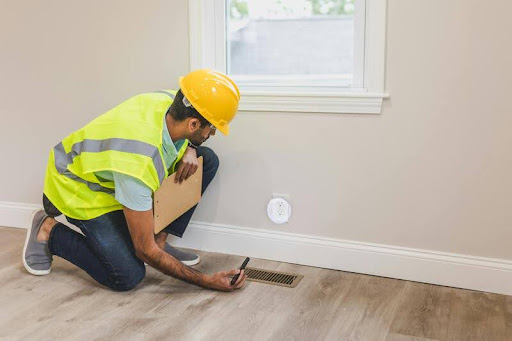
Routine HVAC checkup in progress—keeping systems efficient and homes comfortable
Let’s be honest, your HVAC system probably doesn’t cross your mind often… until something goes wrong. Maybe your energy bill spikes out of nowhere. Maybe it’s blowing warm air on a sweltering day. Either way, it’s frustrating.
But here’s the thing: a little regular maintenance can keep your HVAC system running smoothly, cut your energy costs, and extend the life of your unit. Sounds like a win-win, right?
So if you’ve ever searched “how to maintain your HVAC system for efficiency” or “best way to improve HVAC performance,” you’re in the right place. This guide breaks it all down in plain English, no technical jargon, no hard sells. Just straightforward advice you can actually use.
What does an HVAC system actually do?
Your HVAC (heating, ventilation, and air conditioning) system is the heart of your home’s comfort. It keeps you warm in the winter, cool in the summer, and breathing easy year-round by circulating clean, filtered air.
It typically includes a furnace, an AC unit or heat pump, ductwork, vents, and sometimes a smart or programmable thermostat. Depending on where you live and how your house is built, your setup might look a little different, but the core idea is the same: comfort, airflow, and energy control.
Why is HVAC maintenance important?
Let’s put it this way, would you drive your car for years without ever changing the oil? Probably not.
Your HVAC system is no different. Regular upkeep helps:
- Improve energy efficiency (which means lower bills)
- Prevent breakdowns (so no surprise repair costs)
- Extend the life of your unit (replacements are pricey!)
- Keep indoor air quality healthy
According to the U.S. Department of Energy, simply replacing a dirty, clogged filter with a clean one can lower your air conditioner’s energy consumption by 5% to 15%. That’s not nothing!
How often should you change or clean HVAC filters?
This one’s easy: Check your filters once a month and change them every 1 to 3 months, especially if you have pets, allergies, or live in a dusty area.
Filters trap dust, dirt, pet dander, and other particles. When they’re full, airflow gets restricted. That forces your system to work harder, which eats up more energy and wears it out faster.
It’s one of the simplest things you can do, but also one of the most effective.
Why are clean vents and unobstructed registers important?
Ever feel like one room is colder or hotter than the rest of the house? That could be your vents talking.
Blocked or dirty vents can mess with your airflow and throw off the balance in your home. Make sure all vents and return registers are:
- Free from dust buildup (wipe them down regularly)
- Not blocked by furniture, rugs, or curtains
- Open and adjust to direct air where you need it most
Pro tip: Don’t close vents in unused rooms; it doesn’t actually save energy and can create pressure imbalances that strain your system.
What’s the best way to clean your outdoor HVAC unit?
Your outdoor unit (condenser or heat pump) needs breathing room, too. Dirt, leaves, grass clippings, and even spider webs can collect around it and block airflow.
Here’s how to handle it:
- Turn off the power before cleaning, safety first!
- Remove debris by hand or with a gentle spray from a garden hose
- Keep at least two feet of clear space around the unit
- Trim nearby bushes or grass regularly
Even something as small as clearing out a few leaves can make a big difference in efficiency.
How do you check for air duct leaks?
Leaky ducts = wasted energy. In fact, according to ENERGY STAR, 20% to 30% of the air moving through the duct system is lost due to leaks, holes, and poor connections. That’s like paying for air you never get to enjoy.
Signs of duct trouble:
- Rooms that are hard to heat or cool
- Hissing or whistling noises
- Higher-than-usual energy bills
You can check visible ductwork for disconnected joints, tears, or loose insulation. If something looks off, sealing it with foil-backed duct tape or mastic sealant can help. For more hidden ductwork (like in walls or ceilings), consider calling in a pro for a pressure test.
Should I use a smart thermostat to help my HVAC system?
Short answer? Yes.
A smart or programmable thermostat helps your system run more efficiently by automatically adjusting temperatures when you’re asleep, at work, or away.
Set it and forget it:
- Cool the house less while you’re out
- Warm it back up right before you return
- Customize schedules by day or week
According to the EPA’s ENERGY STAR program, homes using properly programmed thermostats can save about 8% on heating and cooling bills each year. That’s a solid return for a one-time setup.
Why is yearly professional HVAC maintenance worth it?
Look, we all want to avoid surprise breakdowns, especially in the middle of a heatwave or a cold snap.
Having a certified HVAC technician do a yearly tune-up can help spot small issues before they turn into big repairs. A professional service typically includes:
- Cleaning coils and components
- Checking refrigerant levels
- Inspecting electrical connections
- Lubricating moving parts
- Testing system performance
Think of it as a wellness check for your HVAC. Catching a problem early could save you hundreds, if not thousands, down the line.
How can I tell if my HVAC system isn’t running efficiently?
You don’t have to be an expert to notice when something’s off. Keep an eye (and ear) out for these red flags:
- Sudden spikes in your energy bill
- Uneven temperatures in different rooms
- Unusual noises like banging, whistling, or buzzing
- Musty or stale smells from vents
- Weak airflow
Trust your instincts. If your system doesn’t feel like it’s performing the way it should, it’s probably time to take a closer look or call in backup.
What are some simple year-round HVAC efficiency tips?
Want to stay ahead of the game? Here’s a quick checklist you can revisit every season:
- Spring: Clean the outdoor unit, check filters, prep the A/C
- Summer: Keep vents clear, use fans to help circulation
- Fall: Replace filters, test the heating system before it gets cold
- Winter: Monitor for drafts, keep the thermostat steady
Bonus: Keep a simple maintenance log. Jot down filter changes, service visits, and any odd system behavior. It helps you spot patterns and gives technicians a clearer history if you ever need repairs.
Final Thoughts: HVAC Maintenance Doesn’t Have to Be Complicated
Maintaining your HVAC system doesn’t mean crawling around in ductwork or becoming a DIY expert. It just takes a little awareness, a few habits, and an occasional call to a professional.
By staying on top of small tasks like changing filters and clearing vents, you can boost efficiency, cut down on costs, and avoid mid-season breakdowns that make life miserable.
So go ahead, take a walk around the house. Check a few vents. Peek at your filter. Small steps today can lead to big savings tomorrow.
FAQs: Quick Answers to Common HVAC Maintenance Questions
How often should I change my HVAC filter?
You should check it monthly and change it every 1–3 months, depending on use, pets, and dust levels.
What’s the best temperature to set my thermostat for efficiency?
In summer, 78°F when you’re home is ideal. In winter, try 68°F. Use a smart thermostat to adjust while you’re away.
Is professional HVAC maintenance really necessary every year?
Yes. It helps catch problems early, improves performance, and can even keep your warranty valid.
How do I know if my HVAC system is losing efficiency?
Look for higher energy bills, uneven room temperatures, weird noises, or reduced airflow; these are early warning signs.
Can dirty vents really affect my HVAC system?
Absolutely. Dust buildup or blocked vents can mess with airflow and make your system work harder than it should.
About the Author