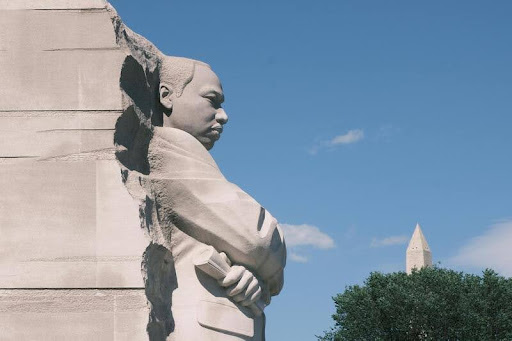
A lasting tribute to Dr. King’s dream—etched in stone and history.
Are you ready to explore history? A civil rights history journey across the South is more than just a typical road trip; it’s a powerful way to grasp the individuals, locations, and crucial moments that influenced contemporary America. Whether you’re dedicated to social justice, looking to educate your children outside of school, or simply eager to learn about our collective history, this guide provides everything necessary to plan a meaningful and impactful experience.
What’s the Objective of a Civil Rights History Tour?
The aim is straightforward: draw lessons from the past to more effectively comprehend the present. A civil rights tour goes beyond checking off tourist sites. It revolves around engaging with stories that resonate even today, marches, courtrooms, educational institutions, and lives that were irrevocably changed. Some individuals embark on these journeys for educational purposes, while others seek personal reflection. Both motivations are entirely legitimate.
Before diving into your planning, consider: What is my reason for doing this? Are you looking to enhance your knowledge of American history? Teach your children about justice and equality? Inspire meaningful discussions? Your purpose will play a crucial role in shaping your overall experience.
Which Southern States Should You Consider Including?
When individuals look for “top states for a civil rights history tour,” they typically think of locations where significant events occurred. It’s essential to include key Southern states that played a vital role in the Civil Rights Movement. Reflect on states recognized for their historical pivotal moments, while also being practical.
Map out a route that is geographically sensible. Will you be driving? Arriving by air and renting a car? Select your starting and ending points, then identify natural stops along your journey. Grouping states that are in close proximity can save you time, money, and energy.
Bonus suggestion: Avoid the temptation to see everything. Emphasize depth over distance.
How Do You Identify the Right Historical Sites to Visit?
Searching for “significant civil rights landmarks in the South” will likely yield an extensive list, but don’t allow that to intimidate you.
Here’s how to refine your choices:
Seek out key sites associated with major events of the movement.
Focus on museums, memorials, churches, and public places that offer guided tours or educational resources.
Don’t overlook the lesser-known locations. They often feature smaller crowds and richer stories.
Verify hours of operation, accessibility, and whether you need to make reservations, some locations may have restricted entry or limited seasonal hours.
It also helps to mix up your visits. Spend time at both big, emotional sites and smaller, reflective ones. Give yourself space to process.
How Can You Create a Meaningful Itinerary Without Rushing?
The best way to plan a civil rights road trip is to build in time. Don’t cram five museums into one day. Spread things out so you’re not mentally or emotionally overwhelmed.
Here’s how to do it:
- Aim for one or two major stops per day.
- Include time for meals, breaks, and downtime.
- Plan shorter driving days so you’re not too exhausted to actually enjoy the experience.
- Stay overnight in towns with historical significance when possible. That way, you’re immersed in the local context.
This trip is a marathon, not a sprint. Give yourself permission to pause and reflect when something hits hard.
What’s a Realistic Budget for a Civil Rights Tour?
If you’re wondering “how much does a civil rights tour cost?”, it really depends on your route, travel style, and how long you’re staying.
Break your budget into these core parts:
- Transportation: Gas, rental car, flights, or train rides
- Lodging: Hotels, motels, or even short-term rentals
- Food: Mix in grocery runs with a few local meals
- Entry fees and donations: Most sites are affordable, but guided tours or museum passes may cost extra
- Extras: Books, souvenirs, or special programs
Pro tip: Look for student, senior, or group discounts if you qualify. And always call ahead, some places offer free admission on certain days.
How Should You Prepare Before You Hit the Road?
Let’s be honest: this kind of tour can stir up a lot of emotions. You’re stepping into places where people fought, and sometimes died, for basic rights. That can be powerful and painful.
So, how do you prepare?
- Logistics first: Book accommodations, confirm open hours, and print out directions if you’ll be in areas with spotty cell service.
- Mental prep: Read books or watch documentaries before you go. Get familiar with the context so your visits carry more meaning.
- Emotional readiness: Everyone processes this history differently. That’s okay. Leave room for tough conversations, especially if you’re traveling with others.
You don’t need to be an expert; you just need to be open.
What Should You Pack for a Civil Rights Tour?
Packing for a history tour isn’t like packing for the beach. Here’s what to bring so you stay ready and comfortable:
- Good walking shoes – Lots of walking on pavement or historic grounds
- Notebook or journal – Capture your thoughts, quotes, and moments that stick
- Chargers and backup batteries – Especially if you’re using your phone for navigation or research
- Weather-appropriate clothes – Southern weather can be unpredictable, so pack layers
- Books or podcasts – Great for the road and helps add context before or after stops
A reusable water bottle and snacks also go a long way when you’re between towns.
Why Is It Important to Reflect During and After the Tour?
This isn’t the kind of trip you just “check off.” You carry it with you.
As you go from place to place, take time to sit with what you’ve seen. Talk about it. Ask questions. Let it shift something inside you.
When you get home, don’t let that momentum fade. Keep learning. Read more. Talk to friends and family about what stood out. Maybe even plan another trip or find ways to get involved in your community.
Because here’s the thing, civil rights history isn’t just history. It’s still unfolding.
Conclusion: Why This Tour Matters More Than Ever
Planning a civil rights history tour across the South isn’t just about the past; it’s about honoring the struggles that brought us here and thinking about the work that’s still left to do.
It’s a chance to listen, to learn, and to reflect on what kind of future we want to help create.
So if you’ve been thinking about doing a trip like this, go for it. Take the time, do it right, and bring your full self to the experience.
Quick FAQ: Civil Rights History Tour Planning
Q: How long should a civil rights tour take? A: Most people spend about 7–10 days, but even a weekend can be meaningful if planned well.
Q: Do I need to book tours in advance? A: For many major sites, yes. Smaller locations may be more flexible, but it’s best to check online or call ahead.
Q: Are these tours kid-friendly? A: Absolutely. Just make sure to explain the history in age-appropriate ways and allow time for questions.
Q: What’s the best time of year to go? A: Spring and fall offer mild weather and fewer crowds, making them ideal for road travel in the South.Q: Can I do this trip solo? A: Yes. Many solo travelers find it incredibly powerful. Just stay mindful of safety, especially in rural areas.
About the Author