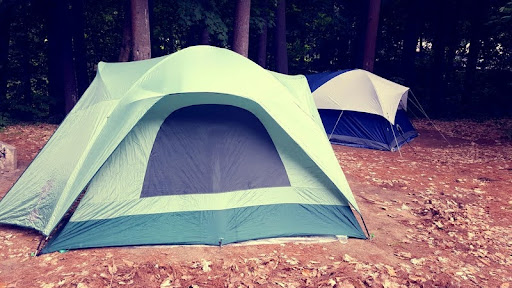
Budget-friendly and beautiful—camping in the forest offers a peaceful, low-cost way to experience nature up close.
Let’s be honest, traveling in the U.S. can get expensive fast. Between flights, hotels, meals, and activities, it’s easy for costs to spiral out of control before you even pack your bags. But here’s the good news: you don’t have to choose between your bank account and a great vacation.
You can take a memorable, comfortable trip across the U.S. without draining your savings, and without feeling like you’ve skimped on fun or comfort. The key? Planning smart.
This guide walks you through how to plan a budget-friendly trip in the U.S. without sacrificing quality. Whether you’re road-tripping through national parks or flying cross-country, we’ve got simple, realistic tips that actually work.
What’s the first step in planning a budget-friendly U.S. trip?
Start with a realistic travel budget.
Before you dive into destination research or hunt down cheap flights, take a step back and ask yourself: How much can I afford to spend, total?
Break your budget down into key categories:
- Transportation (flights, gas, rental car, etc.)
- Lodging (hotels, motels, vacation rentals)
- Food (restaurants, groceries, snacks)
- Activities (tickets, tours, attractions)
- Extras (souvenirs, emergency cash)
Pro tip: Add a 10–15% buffer for unexpected expenses. You never know when you’ll hit toll roads, decide to upgrade a hotel, or grab a spontaneous local treat. Having that cushion means fewer money regrets later.
Where can I go in the U.S. that’s affordable and still worth visiting?
Choose budget-friendly destinations that don’t skimp on experiences.
Some places in the U.S. are just more expensive than others. Think New York City, Los Angeles, or Miami, amazing, but pricey. Instead, look into smaller cities or lesser-known towns that still offer unique vibes, culture, or nature.
Places that don’t make the typical “top 10” lists often have:
- Lower hotel prices
- Cheaper parking (or none at all)
- Less crowded attractions
- Authentic local food at lower prices
You’ll get to experience more of the real, everyday America, without the inflated tourist costs.
When is the best time to travel cheap in the U.S.?
Travel during the off-season for lower prices and fewer crowds.
Timing is everything. Avoid peak tourist seasons like summer break, spring break, and major holidays like the Fourth of July or Thanksgiving.
Instead, aim for shoulder seasons, those sweet spots right before or after peak travel times.
For most of the U.S., that’s:
- Late April to early June
- Late September through early November
Not only will flights and hotels be cheaper, but restaurants and attractions will be less crowded. You’ll spend less and enjoy more.
How can being flexible with travel dates save money?
Being flexible opens the door to better deals.
Sometimes, just shifting your travel by a day or two can knock hundreds off your costs. Midweek flights (especially Tuesdays and Wednesdays) tend to be cheaper than weekend ones. The same goes for hotel stays; weekend rates often jump in busy areas.
Use flight comparison tools that show fare calendars or “flexible date” options. Even if your dates aren’t completely open, a little wiggle room can go a long way toward staying on budget.
What’s the best way to save on U.S. transportation?
Compare your options and don’t default to flying.
Flying isn’t always the cheapest way to get around, especially with bag fees, seat selection charges, and airport parking. Before you book, compare:
- Driving (especially for regional trips)
- Buses (some lines offer fares with early booking)
- Trains (Amtrak has deals, especially for students and seniors)
- Budget airlines (just watch those sneaky fees)
Also, look into transportation passes or loyalty programs that might get you discounts or points for future trips.
How can I find affordable places to stay in the U.S.?
Explore alternatives to traditional hotels.
Sure, hotels are convenient, but they’re not always the best bang for your buck. Try these options:
- Motels: Basic but often clean, with free parking
- Vacation rentals: Great for groups or longer stays with kitchens
- Hostels: Not just for backpackers anymore, some offer private rooms
- Extended-stay hotels: More space, plus amenities like laundry and kitchenettes
Wherever you stay, look for free amenities like breakfast, Wi-Fi, or parking. That stuff adds up fast if it’s not included.
How can I eat well on a travel budget?
Mix eating out with eating smart.
Let’s face it: food is one of the most enjoyable parts of traveling. But eating out for every meal can eat up your budget faster than you think.
Here’s how to strike a balance:
- Make lunch your big meal; it’s often cheaper than dinner
- Shop at grocery stores or markets for simple breakfasts or snacks
- Bring a refillable water bottle to avoid buying drinks all day
- If your lodging has a kitchen or fridge, make simple meals or leftovers
This way, you can still enjoy local flavors without stressing about every bill.
What are the best free things to do while traveling in the U.S.?
Free and low-cost activities are everywhere; you just have to know where to look.
You don’t have to spend a ton to have a great time. In fact, some of the most memorable travel experiences are totally free:
- Local parks, trails, and beaches
- Free museum days or suggested-donation exhibits
- Historic neighborhoods or self-guided walking tours
- City events, outdoor concerts, and farmers’ markets
Check official tourism websites or local event calendars before you go. Plan a mix of free activities and one or two paid splurges; that’s a winning combo.
What apps or tools help you save money on a trip?
Use tech to make smarter travel decisions.
There’s an app for everything these days, and travel budgeting is no exception. Some useful ones to check out:
- Google Flights or Hopper for price tracking
- GasBuddy, to find cheap gas nearby
- Roadtrippers for planning efficient road trip routes
- Splitwise for tracking shared expenses
- Trail Wallet or TravelSpend for managing your daily budget
Also, download offline maps and guides so you’re not chewing through mobile data. Small steps, big savings.
How do I avoid hidden costs and unexpected fees?
Convenience adds up; plan ahead to skip extra charges.
It’s the little things that sneak up on you. Think baggage fees, valet parking, or overpriced airport snacks.
Here’s how to stay ahead:
- Pack light and bring a carry-on only (if flying)
- Check your lodging’s parking and resort fees
- Bring your own snacks for travel days
- Review your itinerary for optional add-ons
Basically, know what you’re signing up for before you swipe your card. A few extra minutes of research can save you a whole lot of money and stress.
Final thoughts: Can you travel cheap in the U.S. without feeling like you’re missing out?
Absolutely.
Traveling on a budget doesn’t mean sacrificing comfort or fun. It just means being intentional with how you spend. Choose your destinations wisely, take advantage of off-peak times, mix up your meals, and look for the kinds of experiences that don’t come with a giant price tag.
So next time you’re itching to hit the road or hop on a plane, remember: a great trip isn’t about how much you spend, it’s about how well you plan.
Start sketching out that dream trip now. You’ll be surprised how far your budget can take you.
✅ Quick FAQ: Budget Travel in the U.S.
How much should I budget for a 7-day U.S. trip? Anywhere from $700–$1,500 per person, depending on your travel style, location, and activities.
Solo travelers and couples often spend less with careful planning.
What’s the cheapest way to travel across the U.S.? Buses and budget airlines (with light luggage) are usually the cheapest. Driving can also save money if you’re traveling with others and sharing costs.
Is it cheaper to fly or drive in the U.S.? It depends on distance and fuel prices. Driving is often cheaper for trips under 500 miles, especially if you’re not traveling solo.
When is the cheapest time to travel in the U.S.? Late fall (after Labor Day to before Thanksgiving) and late winter (January to early March) usually have the best deals.
Are there free attractions in most U.S. cities? Yes! Parks, historic sites, outdoor art, and local festivals are often free or very low-cost.
Ready to plan your trip? Bookmark this guide, grab a notebook or app, and start mapping out your adventure. And hey, if you found this post helpful, share it with a friend who could use some travel inspiration on a budget.
About the Author