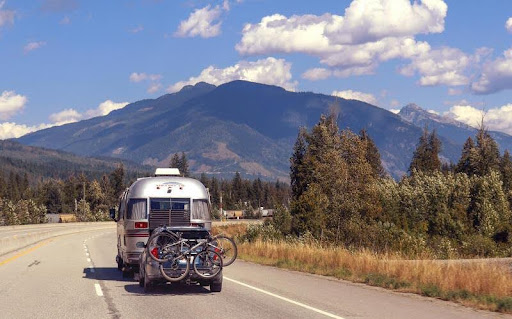
Life on the road: Traveling coast to coast in an RV offers freedom, flexibility, and big-time budget savings.
There’s something undeniably exciting about the idea of hitting the open road, crossing state lines, and watching the landscape change as you drive coast to coast. A cross-country U.S. trip is the kind of adventure many people dream about. But then the big question hits: Can I actually afford it?
Spoiler alert: Yes, you can, if you plan smart.
Traveling across the U.S. doesn’t have to mean draining your savings account. In fact, with a little creativity, flexibility, and prep work, you can make the journey of a lifetime without breaking the bank. Let’s walk through how to plan your cross-country road trip on a budget, one step at a time.
How much should I budget for a cross-country trip?
Start by figuring out how much you can realistically spend. That means taking a hard look at your finances and setting a total trip budget. Then, break it into categories like:
- Transportation
- Lodging
- Food
- Activities
- Emergency fund
It doesn’t have to be complicated; a simple spreadsheet or budgeting app can do the trick. The key is to give every dollar a job before you hit the road. That way, you’re not playing catch-up later.
Pro tip: Always leave a little wiggle room. Unexpected stuff happens.
What’s the best time to travel cross-country on a budget?
Here’s the thing: timing matters.
If you travel during peak seasons (summer, holidays, spring break), you’ll likely pay more for gas, hotels, and attractions. Shoulder seasons, early spring or fall, tend to offer better deals and fewer crowds. Plus, the weather’s still decent in most parts of the country.
Also, traveling midweek (like Tuesday or Wednesday) can help you save on lodging and avoid weekend rate hikes. If your schedule’s flexible, use it to your advantage.
How do I choose a budget-friendly route across the U.S.?
Not all routes are created equal; some are scenic but long and winding, while others get you from point A to B faster (and cheaper).
To keep costs low:
- Minimize backtracking and extra miles.
- The group stops by the location to avoid zig-zagging.
- Use free trip planning tools like Google Maps or Roadtrippers to estimate gas and route efficiency.
You don’t have to skip all the cool stuff, just be strategic. Ask yourself: “Is this stop worth the time, gas, and a possible hotel night?”
What’s the cheapest way to travel cross-country?
If you’re driving, gas is going to be one of your biggest expenses. A few ways to cut that down:
- Travel in a fuel-efficient vehicle.
- Use apps like GasBuddy to find the cheapest fuel nearby.
- Drive at steady speeds and avoid excessive idling, yep, it actually helps.
Not driving? You can also explore budget bus routes, Amtrak deals, or even rideshare boards if you’re comfortable splitting the journey with strangers. Just remember: cheapest isn’t always fastest.
Where can I sleep on a cross-country road trip without spending a fortune?
Lodging can eat up your budget fast if you’re not careful. But the good news? You’ve got options.
- Budget motels and roadside inns are often cheaper outside major cities.
- Campgrounds or public lands (BLM areas) offer super affordable spots if you’ve got the gear.
- Hostels and shared rentals can also save you cash, especially in popular cities.
- If you’re traveling with friends, splitting an Airbnb can bring the cost down big time.
The trick is to book in advance for popular areas and be flexible in others.
What should I pack for a low-cost road trip?
You don’t need to pack like you’re moving cross-country; just bring the stuff that’ll help you save on the road.
- Cooler for snacks, drinks, and simple meals
- Reusable water bottles
- Portable phone charger
- Basic tools and a tire repair kit
- First-aid kit
- Refillable toiletries
Packing smart keeps you from running to overpriced convenience stores every time you forget something.
How do I eat cheaply while traveling?
Fast food may seem like the easy choice, but those drive-thru runs add up fast. Eating on a budget doesn’t mean you can’t eat well.
Here’s how to keep food costs down:
- Stock up on groceries and use a cooler to keep perishables fresh.
- Prep simple meals like sandwiches, wraps, and pasta salads.
- Use grocery stores with delis or hot bars, cheaper than restaurants, but still offer warm food.
- Picnic at scenic spots. It’s not only cheaper, it’s more fun.
What free or cheap things can I do on a cross-country trip?
You don’t have to spend a dime to have a great time.
Some of the best parts of a U.S. road trip are free: the open road, national forests, small-town charm, and those totally random roadside attractions.
Here’s what to look for:
- National and state parks (many have low or no entry fees)
- Scenic drives and viewpoints
- Free museums, festivals, or events
- Hiking trails, beaches, and lakes
Do a little research before you go, or check out local visitor centers, they often have free maps and insider tips.
How do I keep track of spending while traveling?
Budgeting isn’t just a pre-trip activity.
- Keeping an eye on your expenses as you go helps you stay on track.
Use a free app like:
- Trail Wallet
- Mint
- Splitwise (great for groups)
Or just jot things down in your phone notes. Whichever method you pick, be honest with yourself. If you overspend one day, balance it out the next.
Should I set aside money for emergencies?
Absolutely. No one likes to think about things going wrong on vacation, but stuff happens, flat tires, unexpected tolls, or an extra night in a hotel if your car needs a repair.
Set aside a few hundred bucks as your trip emergency fund. Keep it separate from your main spending money so you’re not tempted to dip into it.
Is a budget road trip really worth it?
Honestly? Yes.
It might not include five-star hotels or fancy restaurants, but a budget-friendly road trip gives you something even better: freedom. The chance to explore the country on your own terms. The flexibility to take a detour. The satisfaction of doing it all without going into debt.
And let’s face it, sometimes the cheapest experiences end up being the most meaningful.
Quick Stats to Keep in Mind
- Average daily cost of a U.S. road trip (with moderate budgeting): around $150–$200/day for one person, including gas, food, and lodging.
- Average gas price (June 2025): .44/gallon (U.S. Energy Information Administration)
- Over 275 million vehicles are registered in the U.S., so yes, road tripping is a big deal here!
Ready to hit the road?
Planning a cross-country trip on a budget takes a little work up front, but once you’re on the road, it’s all about enjoying the ride.
So, grab a map, fire up your playlist, and start sketching out your route. You don’t need a luxury budget to have an epic adventure; you just need a good plan and a little flexibility.
Let us know in the comments: What’s one stop you’d love to include on your cross-country trip?
FAQ: Budget Cross-Country Travel in the U.S.
What’s the cheapest way to travel across the U.S.?
Driving your own fuel-efficient car and camping or staying in budget motels is typically the cheapest option. Buses and rideshares can also be affordable for solo travelers.
How long does a cross-country road trip take?
It depends on your route, but most coast-to-coast trips take 7–14 days with daily driving and stops along the way.
Is it cheaper to drive or fly across the country?
For solo travelers, flying might be cheaper for direct point-to-point travel. But for groups or those making multiple stops, driving is usually more budget-friendly.
What are the best apps for road trip planning?
Apps like Google Maps, GasBuddy, Roadtrippers, and iExit are great for planning routes, finding cheap gas, and discovering attractions.
Can you sleep in your car on a road trip?
Yes, in many places you can legally sleep in your car, especially at rest stops or designated overnight parking areas, just check local laws and safety conditions.
About the Author