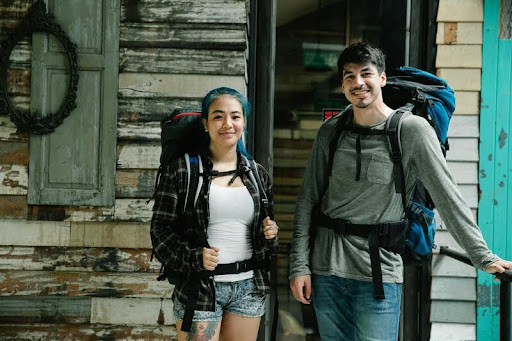
Exploring the great outdoors together—group hikes are a fun, budget-friendly way to travel.
We’ve all dreamed of that perfect friends’ getaway. Sunsets, inside jokes, endless laughter… and then reality hits: group chats that never end, someone ghosting during planning, and a full-blown argument over the dinner spot on night two. Sound familiar?
Traveling with friends can be an absolute blast, but only if you plan it right. That means setting clear expectations, having honest conversations, and, yes, doing a little bit of grown-up stuff upfront so the actual trip stays fun. If you’re wondering how to plan a group trip with friends without all the drama, you’re in the right place.
Let’s dive into how to pull off a smooth, stress-free group trip without losing friends along the way.
Why is planning a trip with friends so tricky?
Because people have different travel styles, budgets, and ideas of fun. Some folks want to wake up at sunrise and hike. Others are there for bottomless brunch and sleeping in. And guess what? That’s totally okay. The key is to get on the same page early so you’re not navigating misunderstandings 1,000 miles from home.
How do you start planning a friend’s trip the right way?
With a real conversation, before anyone books a thing. Sit down (or hop on a group call) and talk about what everyone wants out of the trip. Where do people want to go? How much can everyone spend? What’s the vibe: adventure, relaxation, nightlife, or a mix? Keep it honest and low-pressure.
Use shared tools like Google Docs or WhatsApp groups to track decisions. That way, everything’s out in the open and no one’s left out of the loop.
What’s the best way to set a group travel budget?
Pick a realistic range everyone agrees on, then stick to it. Money is the fastest way to stir up tension on a trip. Before you get excited about flights and resorts, figure out what each person is comfortable spending. Include costs like transportation, lodging, food, activities, and even tips.
Pro tip: Choose your price point based on the most budget-conscious friend, not the biggest spender. Apps like Splitwise can help everyone keep track of shared costs during the trip without awkward money convos every day.
According to a recent Travel Leaders Group survey, more than 60% of U.S. travelers consider budget the top factor when planning group trips. Make it a group effort, and you’re already ahead of the game.
How do you choose a destination everyone’s happy with?
Go where the vibes match, and compromise when needed. Pick a place that offers a little something for everyone. Beaches with nearby cities? Mountains with cozy towns? Look for a mix of activities, food options, and affordability. Don’t just go with whoever speaks the loudest or drops the first idea in the group chat.
Can’t agree? Narrow it down to two or three solid options, then take a vote. Majority rules, but make sure everyone’s okay with the top pick, even if it’s not their first choice.
Should you assign planning roles?
Absolutely, and it makes everything smoother. One person shouldn’t be stuck doing all the legwork. Break up the planning so everyone contributes and no one burns out. Here’s how you might divide it:
- Lodging Coordinator – Finds and books the Airbnb or hotel.
- Activity Planner – Looks up tours, hikes, or shows.
- Transport Chief – Manages car rentals or flight logistics.
- Meal Master – Picks restaurants or coordinates groceries.
Divvying up tasks gives everyone ownership, and it helps things actually get done. Plus, it cuts down on the dreaded last-minute chaos.
What’s the best way to build a friend’s trip itinerary?
Keep it light and flexible. Overplanning is just as bad as underplanning. You don’t need a minute-by-minute schedule, but a loose outline helps avoid the “what now?” moments.
- Pick one or two key things per day (like a hike or museum visit).
- Leave open blocks of time for naps, chill hangs, or spontaneous fun.
- Give people the option to opt out without guilt.
Someone wants to sleep in while the rest go kayaking? Cool. Alone time is healthy, even on a group trip.
How do you avoid drama over personalities or habits?
Set expectations early, and respect each other’s differences. Let’s be real: your super-organized friend and your go-with-the-flow friend are gonna clash at some point. That’s normal. The trick is to acknowledge that upfront.
Talk about:
- Sleep habits (early risers vs. night owls)
- Personal space needs
- Drinking or party preferences
- Social battery levels
Create space for quiet time and solo activities if needed. And maybe agree on a no-silent-treatment rule, speak up if something’s bothering you instead of letting it fester.
What’s the best way to handle shared money on the trip?
Be upfront, split fairly, and track everything. Even if you had the budget talk before, money during the trip can still cause friction. Use Venmo, Zelle, or Splitwise to settle expenses quickly. Rotate who pays or keep one person as the tracker, then even out at the end.
Whenever possible, pay for bigger shared costs, like lodging or car rentals, ahead of time. That way, you’re not scrambling for cash when you arrive.
Don’t be shy about discussing money. It might feel awkward, but it avoids resentment later.
What if you need space from the group?
Take it. No explanation required. Just because you’re traveling together doesn’t mean you need to be joined at the hip 24/7. Want to grab a solo coffee or skip a group outing? Do it. Respect your own needs and trust that your friends will understand.
Actually, encourage each other to take breaks. It makes the group time that much more enjoyable.
Final thoughts: How to enjoy the trip without the drama?
Simple: communicate clearly, plan together, stay flexible, and give each other grace. Drama usually shows up when people feel unheard, overwhelmed, or out of sync. But when you plan with care and stay open-minded, you can dodge most of the stress and actually enjoy the trip.
Because at the end of the day, it’s about making memories, not managing meltdowns.
FAQs: Group Trip Planning with Friends
What’s the best app for group trip planning? Try apps like TripIt, Splitwise, or Google Docs for organizing plans and sharing info. They keep everything in one place and help avoid confusion.
How far in advance should you plan a friend’s trip? Aim for 2–6 months ahead, depending on your destination. This gives time to agree on details, snag deals, and request time off.
How do you handle someone who’s not participating in planning? Check in with them early. They might be busy or unsure. If they’re still disengaged, make clear decisions without them and share updates along the way.
What if people argue during the trip? Take a breather. Talk it out calmly if needed, or give space until emotions cool. Don’t let small disagreements derail the whole experience.
Is it okay to skip a group activity during the trip? Absolutely. Just communicate your plans so no one worries. Everyone needs downtime, and solo time can make group travel more enjoyable.
About the Author