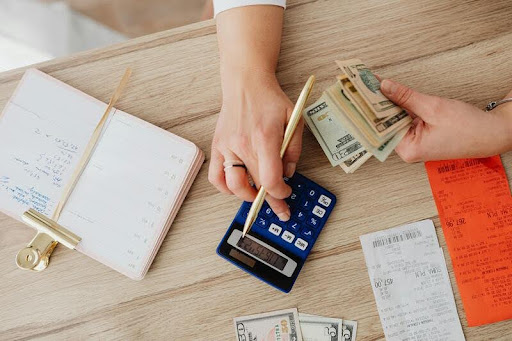
Budgeting in action—every dollar counts when planning for big purchases.
Big purchases can be exciting. But they can also be a major source of stress if you’re not financially prepared. Whether you’re eyeing a new set of wheels or dreaming about homeownership, jumping in without a solid plan can quickly lead to debt or regret. So how do you make sure you’re ready? Let’s break it down step by step in a way that makes sense, no fluff, no financial jargon overload.
What should you know before planning a big purchase?
Start with a clear goal. Knowing what you want to buy and why helps keep your planning focused. Buying a car or house is a commitment, not a quick splurge. So, ask yourself: What’s my ideal price range? Am I buying for need or for want? Once you’ve nailed down the purpose and scope, you can build a plan that fits.
How do you assess your current financial situation?
Before setting any savings goals, take a good, honest look at where you stand financially. This includes:
- Your monthly income (after taxes)
- Ongoing expenses (rent, utilities, groceries, etc.)
- Current savings and investments
- Any debts like credit cards, student loans, or personal loans
You don’t need a fancy spreadsheet; a simple budget tool or even a notes app can do the trick. The idea is to know what’s coming in, what’s going out, and what’s left to save.
What’s the best way to set a savings timeline?
It’s tempting to say, “I’ll just start saving and see how it goes.” But without a target date, your savings plan can drift. Choose a realistic timeline based on your income and expenses. If you want to buy a car in a year or a home in two, break the total cost into monthly savings goals. That makes the goal less overwhelming and a whole lot more achievable.
How can you create a savings plan that works?
Automate it. Seriously.
The best way to save consistently is to make it automatic. Set up a separate savings account just for your big purchase. Schedule recurring transfers from your checking account, even if it’s just $100 a month to start. Small steps add up, and watching that balance grow can be super motivating.
Use budgeting methods like the 50/30/20 rule: 50% of income goes to needs, 30% to wants, and 20% to savings or debt. If you’re gunning for a big purchase, consider flipping that around for a while to prioritize your savings.
Where can you cut costs to save faster?
You probably already know the answer: those little extras that sneak into your budget.
Eating out, subscriptions you forgot you had, impulse buys online. We’re not saying cut everything fun, but trimming even a few habits can free up more money for your goal.
Do a quick spending audit over the past month. Highlight anything that wasn’t essential. That’s where your wiggle room lives.
What should you know about financing options?
Unless you’re paying in full with cash, you’ll need financing. And not all loans are created equal.
- Auto loans: Look at interest rates, loan terms (shorter is usually better), and total cost over time.
- Mortgages: Understand fixed vs. variable rates, down payment requirements, and closing costs.
Your credit score plays a huge role here. The better your credit, the lower your interest rate, and that can mean thousands of dollars saved.
What hidden costs should you plan for?
Big purchases rarely stop at the sticker price. That $30,000 car? Add insurance, registration, gas, and maintenance. That $350,000 house? Factor in property taxes, homeowners’ insurance, repairs, and utility bills.
Build these into your budget from day one. You don’t want to save just enough for the down payment and then be blindsided by all the extras.
How do you check and improve your credit before buying?
Your credit score isn’t just a number; it’s your financial reputation.
Start by checking your credit report from the three major bureaus: Experian, TransUnion, and Equifax. You can do this for free at AnnualCreditReport.com.
Look for errors, late payments, or old debts that shouldn’t be there. Dispute anything that doesn’t look right.
To improve your score:
- Pay bills on time
- Keep credit card balances low
- Avoid opening new lines of credit right before applying for a loan
What if plans change or something unexpected happens?
Life happens. Maybe your car needs repairs, or your job changes. That’s why flexibility matters. If you can, build a small emergency fund separate from your big-purchase savings. Even $1,000 set aside can make a huge difference.
Track your progress monthly and be willing to adjust your timeline if needed. Don’t beat yourself up if things slow down. Progress is still progress.
How do you know when you’re ready to make the purchase?
You’ve saved up. Your credit is solid. You understand the full cost, not just the upfront price.
You’re ready when:
- You have the down payment (and more for added costs)
- Your monthly payment will fit comfortably in your budget
- You’re confident in your job and income stability
When those boxes are checked, go for it. You earned it.
Final Thoughts
Big purchases are a big deal. But with a solid plan, they don’t have to feel like a gamble. Be honest with yourself, stay consistent, and give your goals the structure they deserve. Financial planning doesn’t have to be overwhelming; it just has to be intentional.
Remember, the best time to start planning was yesterday. The second-best time? Today.
FAQ: Financial Planning for Big Purchases
How much should I save before buying a car? Aim for at least 10–20% of the car’s total cost to cover a down payment, plus extra for taxes, insurance, and registration.
What’s a good credit score to buy a house? Generally, a score of 620 or higher is the minimum for most conventional loans, but 740+ gets you better interest rates.
Is it better to buy a car with cash or finance it? Paying with cash avoids interest but may drain savings. Financing preserves liquidity but costs more over time. Choose what fits your situation.
How long should I plan before buying a house? Plan at least 12–24 months ahead to save for a down payment, improve credit, and understand the full cost of homeownership.
What’s the smartest way to save for a big purchase? Automate savings into a separate account, cut non-essentials, and set a timeline with monthly savings targets.
About the Author




