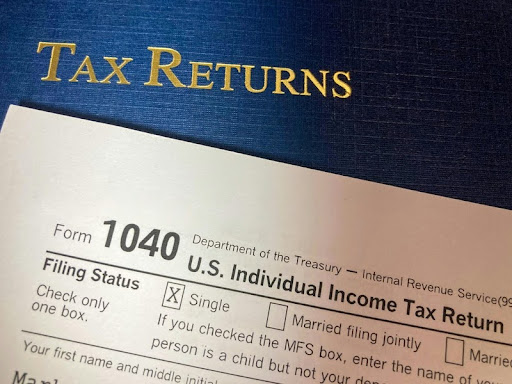
Proper recordkeeping, like organized tax returns, can make all the difference during a DOL audit.
Getting a letter or a knock on the door from the Department of Labor (DOL)? Yeah, that can send anyone into a bit of a panic. But don’t worry, you’re not alone, and it doesn’t have to be a nightmare. Whether you’re running a small business or managing HR at a larger company, being ready for a DOL audit in 2025 is totally doable with a bit of preparation and the right mindset.
Let’s walk through everything you need to know to get ahead of a potential audit, avoid fines, and keep things running smoothly.
What is a Department of Labor audit, and why should I care?
A DOL audit is an official review of your company’s labor practices to make sure you’re following the rules, federal labor laws, that is. These audits are usually conducted by the Wage and Hour Division (WHD), but depending on the issue, it could involve other parts of the DOL, too.
Why should you care? Because penalties for non-compliance can be expensive. And we’re not just talking fines. You could end up owing back pay, changing your business practices, or even facing lawsuits.
In 2024, the DOL recovered over 0 million in back wages for workers. That’s a lot of money. So yeah, it pays to get this stuff right.
Why would the DOL audit my business?
There are a few common triggers:
- A current or former employee files a complaint
- Your company is randomly selected
- You’re in an industry the DOL is currently focused on (like construction, healthcare, or gig work)
- There are signs of possible non-compliance in your wage or hour practices
Sometimes, it’s not about what you’re doing wrong, it’s just your turn. That’s why preparation is everything.
What does the DOL look for in an audit?
Here’s a quick checklist of what they’ll usually review:
- Employee classification – Are your workers properly classified as W-2 employees or independent contractors?
- Payroll records – Are you paying minimum wage and overtime correctly?
- Timekeeping practices – Are you tracking work hours accurately?
- Family and Medical Leave (FMLA) – Are you providing eligible leave and documenting it correctly?
- Workplace notices – Do you have the required posters visible in your workplace?
- Benefits and retirement plans – Are you following the rules for ERISA or ACA if they apply?
In 2025, there’s also more focus on remote work compliance. If your team works from home, make sure your time tracking and classification practices still hold up.
How should I organize my records before an audit?
Start with the basics:
- Keep at least three years of payroll and employee records
- Make sure files are organized by employee
- Store digital files securely and make backups
- Label documents clearly (e.g., pay stubs, job descriptions, timecards)
Auditors want to see clear, consistent records. If it takes you 30 minutes to find a pay stub, that’s a red flag.
Pro tip: Use payroll software that keeps everything in one place and time-stamped. It makes audits go much smoother.
Should I review my policies before an audit?
Absolutely. In fact, this might be one of the smartest things you can do.
- Pull out your employee handbook and actually read it
- Make sure it aligns with how your company really operates
- Update outdated policies (especially anything related to time off, harassment, or pay practices)
- Have legal or HR professionals give it a once-over
Inconsistent policies are one of the most common issues during audits. If your handbook says one thing, but your supervisors are doing something else? That’s a problem.
Who should be involved in audit prep?
Don’t try to handle this solo. Bring in your key players:
- HR team (if you have one)
- Payroll or finance folks
- Legal counsel or outside consultants (especially if you’re in a high-risk industry)
- Department managers who may be interviewed
Everyone should be on the same page. Make sure they understand what to say, what documents they might be asked for, and how to handle auditor questions.
Also, train supervisors not to panic or give more information than necessary. Keep it professional and honest, but stick to what’s asked.
What rights do I have during a DOL audit?
Believe it or not, you do have rights. Knowing them helps you stay calm and in control:
- You can ask for the scope of the audit in writing
- You can schedule a mutually convenient time for the audit (within reason)
- You can have legal representation present during interviews
- You can ask for clarification or more time to gather documents
You don’t have to hand over every document on the spot. Just be polite, cooperative, and organized.
Should I do a mock audit before the real thing?
Yes! A mock audit is like a dress rehearsal. It helps you:
- Spot gaps in your recordkeeping
- Identify policy inconsistencies
- Practice how your team will respond to auditor’s questions
This is especially useful if your company has grown fast or recently made HR or payroll changes. Better to catch mistakes now than when a government auditor is sitting in your office.
How do I stay compliant long-term?
Quick FAQ: What people are asking about DOL audits in 2025
Q: How much notice does the DOL give before an audit? A: Sometimes none at all. Other times, you may get a few days to a week. Always be prepared.
Q: Can I refuse a DOL audit? A: No, but you can ask for clarification and schedule a time that works within a reasonable timeframe.
Q: What’s the biggest red flag during an audit? A: Misclassifying employees as independent contractors. It’s one of the fastest ways to get into trouble.
Q: Do remote workers count in DOL audits? A: Yes. Remote workers must still be paid correctly and tracked for hours.
Final thoughts: Don’t wait for the knock at the door
Here’s the thing: a DOL audit doesn’t have to be scary if you treat compliance as part of your everyday operations. Think about it like this: would you rather scramble under pressure, or feel confident because you’ve already done the work?
Start today. Review your records. Update your policies. Talk to your team. Because when the DOL comes knocking, you’ll want to answer the door with confidence.
About the Author