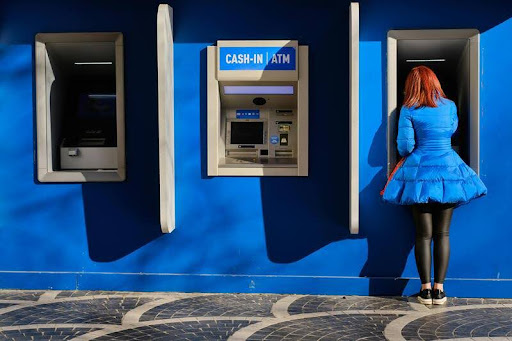
Staying alert at the ATM—your first step in guarding against bank fraud
Keeping your bank account safe used to mean just keeping your wallet close. But now? It’s a whole different ballgame. In 2024 alone, the Federal Trade Commission (FTC) received over 2.6 million fraud reports, with bank fraud and identity theft making up a significant chunk.
So if you’ve ever worried about someone getting into your account or stealing your debit card info, you’re not alone. The good news? You don’t have to be a cybersecurity expert to stay safe. With just a few smart habits, you can seriously lower your risk of fraud and sleep a little easier at night.
Let’s talk about how to protect your bank account from fraud in a way that’s practical, not paranoid.
What Are the Most Common Types of Bank Account Fraud?
Bank fraud comes in more flavors than ice cream. But don’t worry, you don’t need to memorize them all. Just understanding the most common ones can help you spot the red flags early.
1. Identity theft: This happens when someone uses your personal info, like your Social Security number or driver’s license, to open accounts, take out loans, or gain access to your existing bank account.
2. Phishing scams: Ever get a weird email saying your account is locked and asking you to “verify” your login? That’s phishing. Scammers pretend to be your bank (or another trusted source) to trick you into giving away your info.
3. Debit and credit card fraud: This includes unauthorized charges, stolen card numbers, or cloned cards. Sometimes the card never even leaves your pocket.
4. Account takeover: This one’s especially sneaky. A scammer gains access to your actual bank login, changes your info, and locks you out.
Knowing these basics puts you ahead of the curve already.
How Can I Strengthen My Online Banking Security?
Think your password is good enough? If it’s “123456” or even your dog’s name… It’s time for an upgrade.
Here’s how to beef up your banking security:
Use strong, unique passwords. Avoid anything obvious. Combine upper and lowercase letters, numbers, and special characters. And don’t reuse passwords across accounts.
Turn on two-factor authentication (2FA). Most banks offer it. This adds an extra layer, usually a code sent to your phone, before anyone can log in.
Avoid banking over public Wi-Fi. That free café internet might be convenient, but it’s not secure. If you really have to check your balance, use a VPN or your mobile data instead.
Log out when you’re done. Especially on shared or public devices. Closing the tab isn’t enough, hit that log-out button.
These changes take minutes, but they can block hours of headache later.
How Do I Spot Suspicious Activity in My Bank Account?
Here’s the thing: fraud doesn’t always scream when it shows up. Sometimes, it whispers. A small, strange charge here. A password change email you didn’t ask for there.
So how do you stay on top of it?
Check your bank account often. Weekly is great. Daily is even better. Look for anything you didn’t do, no matter how small. Fraudsters often start with “test” transactions before going big.
Set up transaction alerts. Most banks let you get a text or email every time money moves. Instant heads-up if something fishy happens.
Review your monthly statements. Yes, even if you’ve been checking your account online. Sometimes fraudulent charges are disguised with vague merchant names.
Don’t assume your bank will always catch it first. You’re your best line of defense.
Should I Share My Banking Info with Anyone?
Short answer? Nope.
Long answer? Still no, unless it’s a verified, trusted source and you know exactly why they need it.
Here’s what to keep in mind:
Your bank will never call or email you asking for your PIN or full account number. If someone does? Hang up or delete the message. Then, contact your bank directly using the number on their official website.
Be careful on social media. Scammers can use the info you share (like your birthday, address, or even your pet’s name) to guess passwords or answer security questions.
Never click on suspicious links. Even if the message looks legit. Phishing emails can mimic your bank’s style perfectly, but URLs don’t lie. Always double-check.
Remember, it’s not rude to say no to sharing. It’s smart.
What Devices and Tools Should I Use for Safer Banking?
Technology can either be your best ally, or a sneaky vulnerability. Let’s make sure it works in your favor.
Always use official apps and websites. Don’t download third-party apps that claim to offer “better access” to your account. Stick with what your bank provides.
Keep your devices updated. Software updates often fix security holes. Delaying that update may leave the door wide open for hackers.
Install security software. A reliable antivirus program and firewall can help block malware, keyloggers, and other nasty stuff that can steal your info.
Lock your phone and computer. Use fingerprint ID, passcodes, or facial recognition.
It’s one more step for you, and one giant wall for scammers.
What Should I Do If I Suspect Fraud on My Bank Account?
Don’t panic. But don’t wait either.
Here’s your go-to checklist if something feels off:
- Call your bank immediately. Most have 24/7 fraud departments. The faster you report it, the better your chances of stopping the damage.
- Freeze or lock your account. Many banks let you do this instantly from the app. It stops any further transactions while you sort things out.
- Change all your login credentials. Yes, all of them, email, banking, and anywhere else you may have reused passwords.
- Report the fraud. File a report with the FTC at IdentityTheft.gov. You may also want to contact one of the major credit bureaus to place a fraud alert.
Acting fast can stop a minor issue from snowballing into a financial disaster.
Why Is It Important to Stay Educated About Bank Fraud?
Fraud tactics are always evolving. Scammers are getting smarter and faster. That means staying in the loop is one of the best ways to stay ahead.
Sign up for alerts or newsletters from your bank. They often warn customers about new scams.
Talk to friends and family about fraud. Especially teens and older adults. They’re common targets, and a quick conversation can save them from a bad situation.
Keep an eye on fraud trends. The FTC and Consumer Financial Protection Bureau (CFPB) post regular updates. A quick scan once a month can keep you aware of what’s out there.
Knowledge isn’t just power, it’s protection.
Final Thoughts: Don’t Overthink It, Just Stay Consistent
Here’s the bottom line: you don’t need to be an expert or live in fear to protect your bank account from fraud. You just need to build a few good habits and keep your eyes open.
Think of it like locking your front door at night. It doesn’t guarantee that nothing bad will ever happen, but it makes you a lot less of a target.
So take five minutes today to update your passwords, set up alerts, or talk to your bank about 2FA. It’s time well spent.
FAQ: Quick Answers to Common Questions About Bank Fraud
What’s the best way to prevent bank fraud?
Use strong passwords, enable two-factor authentication, monitor your account regularly, and never share your banking info with unverified sources.
How can I tell if a message is a phishing scam?
Look for typos, strange email addresses, urgent language, or links that don’t match your bank’s official website. When in doubt, don’t click; contact your bank directly.
Can someone hack my bank account with just my account number?
Not usually, but it depends. They may need additional info like your routing number or login credentials. Still, never share your account number publicly.
Is online banking safe in the U.S.?
Yes, as long as you follow basic precautions like using secure networks, official apps, and keeping your software up to date.
What should I do if I gave my bank info to a scammer?
Contact your bank immediately, freeze your account if possible, and report the fraud to the FTC. Also, change your passwords right away.
About the Author