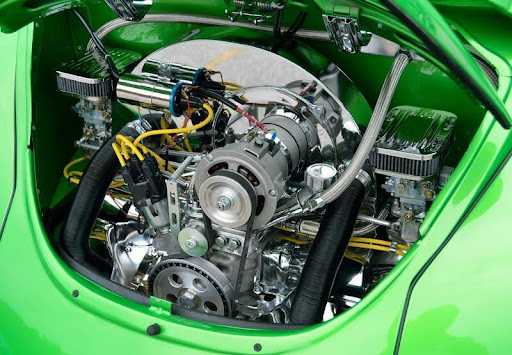
Transmission trouble? A professional takes a closer look under the hood.
Your car doesn’t need to break down on the side of the road before it tells you something’s wrong. One of the biggest components that gives off warning signs before total failure is your transmission. And ignoring those signs? That can lead to some seriously expensive repairs.
So, how can you tell if your transmission is failing? Let’s break it down in plain English.
What Does a Transmission Do, and Why Should You Care?
Your car’s transmission is the part that moves power from the engine to the wheels. Think of it like the middleman who decides how fast your wheels should turn based on how hard you hit the gas. It either shifts gears automatically (in automatics) or with your help (in manuals).
If your transmission goes out, your car either won’t move or will drive like a nightmare. That’s why catching the early signs matters a lot.
What Are the Most Common Signs Your Transmission Is Going Bad?
There are a few red flags that show up when your transmission starts to fail. Some are subtle. Others? Hard to miss.
1. Is Your Car Slipping Out of Gear?
One of the biggest red flags is gear slipping. That’s when your car suddenly changes gears for no reason or struggles to stay in gear. You might notice your engine revving higher than usual, but your car doesn’t accelerate.
This isn’t just annoying, it’s dangerous. It can mess with your control on the road and wear out your transmission even faster.
2. Why Are Your Shifts Rough or Delayed?
Does it feel like your car is hesitating when it shifts gears? Or maybe those shifts feel harsh, like a sudden jolt?
That’s your transmission crying out for help. Rough or delayed shifting often means the system isn’t responding like it should, usually due to low fluid, worn parts, or internal damage.
3. What’s That Weird Noise Coming From Your Car?
Hearing whining, clunking, or grinding when you shift or drive? That’s not just background noise.
Strange sounds, especially when shifting, can point to internal damage or parts grinding together. That’s a clear sign something’s wrong.
4. Is There a Red or Brown Fluid Leak Under Your Car?
Transmission fluid leaks are a huge clue. If you see reddish-brown fluid (sometimes with a burnt smell) under your car, that’s not normal.
Your transmission relies on this fluid to stay cool and function properly. Losing it leads to overheating, wear, and eventual failure.
5. Is Your Check Engine Light On?
Yes, your check engine light can mean a hundred different things, but transmission problems are definitely one of them.
Modern vehicles are loaded with sensors. If something in your transmission starts to go sideways, chances are the computer knows before you do.
6. Do You Smell Something Burning?
A burning smell isn’t just unpleasant, it could mean your transmission is overheating. This often happens when the fluid is low or dirty.
Don’t brush this one off. An overheated transmission can be permanently damaged in no time.
7. Is Your Car Struggling to Accelerate or Losing Power?
Ever press the gas and feel like your car’s lagging? If your engine’s working but your car isn’t responding, your transmission could be slipping.
Loss of power during normal driving can make everyday commutes stressful and dangerous.
What Causes a Transmission to Fail?
Let’s talk root causes. A failing transmission doesn’t just happen out of nowhere. Here are some of the most common culprits:
- Low or dirty transmission fluid – Lack of fluid or fluid that’s gunked up won’t protect or cool your transmission.
- Worn parts – Over time, internal components like clutches and bands wear out.
- Heat – Excessive heat is enemy number one. It breaks down fluid and damages internal parts.
- Poor maintenance – Skipping fluid changes or ignoring small issues lets big problems build up.
What Should You Do If You Notice Transmission Issues?
First thing: don’t wait. Transmission problems rarely fix themselves, and the longer you wait, the more damage is done.
Here’s what you can do:
- Document the symptoms. Write down what you felt, heard, or smelled, and when it happened.
- Check the fluid. Look for color, smell, and levels (only if your car lets you, some don’t have dipsticks).
- Schedule a professional diagnostic. A good mechanic can pull trouble codes and pinpoint what’s going wrong.
How Can You Prevent Transmission Failure?
Want to avoid a transmission nightmare altogether? Prevention is your best friend.
- Get regular fluid checks and changes. Most cars need fluids replaced every 30,000–60,000 miles.
- Don’t ignore small issues. That slight hesitation or odd noise? Get it checked before it turns into a breakdown.
- Avoid overheating. Towing heavy loads or driving in extreme heat? Take breaks and check fluid levels.
- Drive gently. Especially when your car is cold. Smooth acceleration and braking go a long way.
The Bottom Line: Don’t Ignore the Signs
So, how do you know if your transmission is failing? Simple: Listen to your car. Whether it’s weird smells, strange noises, slipping gears, or power loss, these are signs you shouldn’t ignore.
Catching problems early can save you thousands of dollars and keep your car running safely.
If you’re noticing any of these symptoms, it might be time to have your vehicle looked at. Better safe than stuck, right?
FAQ: Transmission Trouble Questions
Q: What’s the best way to check if my transmission fluid is low? A: If your car has a transmission dipstick, check it with the engine running and warm. Look for proper fluid level, color (bright red), and a clean smell.
Q: Can I drive with a bad transmission? A: Technically, yes, but it’s not smart. Driving with transmission issues can cause more damage and cost you more in repairs.
Q: How much does it cost to fix a failing transmission? A: It varies. Minor repairs might cost a few hundred dollars, but a full rebuild or replacement can run 000 to 000 or more.
Q: How often should I change transmission fluid? A: Every 30,000 to 60,000 miles for most vehicles, but always check your owner’s manual for the manufacturer’s recommendation.
Q: What color should transmission fluid be? A: Healthy transmission fluid is typically bright red or pink. Brown, dark, or burnt-smelling fluid is a sign of trouble.
About the Author