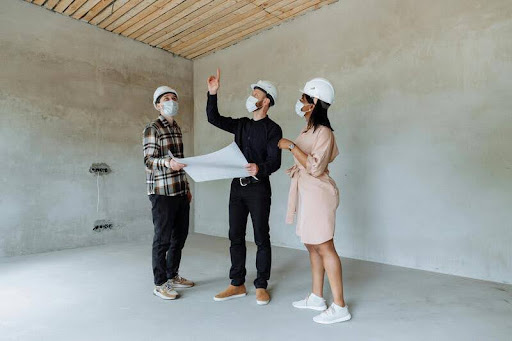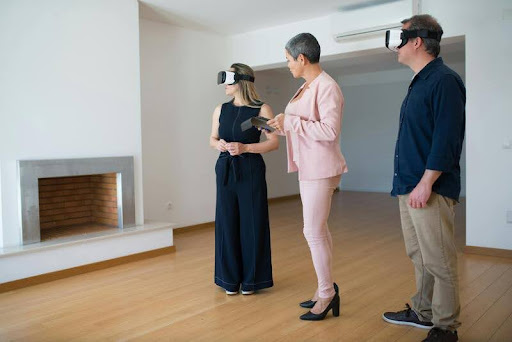
Step into the future—exploring homes with VR goggles and a savvy real estate agent by your side.
Ever wish you could walk through a house without leaving your couch? Well, now you can. Virtual tours and 3D walkthroughs are totally changing the way homes are bought and sold, especially in a world where convenience, speed, and digital tools rule.
Whether you’re a buyer trying to narrow down your options, or a seller looking to stand out from the crowd, these tools can make a big difference. So, how do virtual tours work? And more importantly, how do you use them the right way?
Let’s break it all down in plain English.
What’s the difference between a virtual tour and a 3D walkthrough?
A virtual tour is usually a 360-degree video or photo-based experience where viewers can “look around” each room. It’s more passive; you can’t always control the movement.
A 3D walkthrough, on the other hand, is fully interactive. It feels like you’re walking through the home at your own pace. You click through the space, look up and down, zoom in, and explore. These are often built using Matterport or similar platforms.
Bottom line? Virtual tours show you the space. 3D walkthroughs let you experience it.
Why are virtual tours important in today’s real estate market?
Because most people start their home search online, and they want to see more than just a few flat photos.
According to the National Association of Realtors (NAR), 96% of homebuyers used the internet in their home search in 2023. And among younger buyers (Millennials and Gen Z), that number jumps even higher. If you’re not using digital tools to show off a home, you’re falling behind.
Virtual tours:
- Give buyers more confidence
- Cut down on unnecessary showings
- Help listings stand out on Zillow, Redfin, and MLS
And with many people relocating or buying from out of state, a good walkthrough could be the deciding factor, even before they step foot inside.
What are the benefits of virtual tours for home buyers?
Let’s be honest, driving around to look at 10 different homes is exhausting. Virtual tours let buyers preview properties anytime, anywhere.
Here’s what buyers love:
- Saves time: You can skip homes that don’t feel like a fit and only visit the serious contenders.
- Better perspective: Photos can be misleading. A walkthrough shows how the rooms connect, how big that hallway is, and what the layout feels like.
- Less pressure: You can explore at your own pace without a realtor hovering nearby.
- Great for long-distance buyers:
Whether moving across the state or the country, buyers can feel confident about a place before flying out to see it.
How do sellers and agents benefit from offering virtual tours?
For sellers, the goal is simple: attract the right buyers faster. A 3D tour helps do just that.
Here’s how virtual tours help you sell smarter:
- Get more eyes on your listing: Homes with 3D tours get more clicks and views online.
- Qualify leads: People who schedule in-person showings have likely already seen the walkthrough, so they’re more serious.
- Reduce open houses: You may not need to host multiple weekend events if buyers can tour online.
- Stand out: In a sea of listings with 12 photos, your interactive tour gives you a competitive edge.
Agents benefit, too. Virtual tours are a great value-add for your listing presentation. They show that you’re tech-savvy, professional, and serious about marketing.
What’s the best way to create a virtual tour or 3D walkthrough?
It starts with prep. You want the home to look its best. think of it like staging for an open house.
Step 1: Clean and declutter
Every surface, every room. Messy shelves or unmade beds stand out more in virtual environments.
Step 2: Good lighting is key
Natural light works best, but you can also use well-placed lamps. Open the blinds and avoid harsh shadows.
Step 3: Choose your method
You can go the DIY route using a 360-degree camera or smartphone apps like Zillow 3D Home, or hire a professional who uses Matterport, Ricoh, or Kuula.
Step 4: Capture all areas
Don’t skip the laundry room, pantry, or garage. People want the full picture, literally.
Step 5: Add extra features
Include pop-up info tags (like what kind of countertops are in the kitchen), interactive floor plans, or audio commentary for a guided feel.
How can you use virtual tours in your real estate marketing?
Once your tour is ready, don’t just bury it on the listing. Use it everywhere.
Embed it in your online listing
This includes your MLS listing, your website, and big platforms like Zillow, Realtor.com, and Redfin.
Share it on social media
Facebook, Instagram, and TikTok are great places to tease a tour. Use a short clip or walkthrough snippet to draw people in.
Add it to email campaigns
If you’re sending a “Just Listed” email blast, include the link to the 3D tour front and center.
Use SEO-friendly titles and captions
Think: “3D Walkthrough – 4-Bedroom Home in Austin with Pool” instead of just “Virtual Tour.” That helps Google and searchers find it easier.
What mistakes should you avoid with virtual tours?
Not all virtual tours are created equal. If done poorly, they can hurt more than help.
Here’s what to steer clear of:
- Dark, grainy footage: Bad lighting makes the space feel small and uninviting.
- Skipping rooms: Leaving out a bathroom or small bedroom makes buyers suspicious.
- Too much tech, not enough clarity: If navigation is confusing or glitchy, people will give up.
- Outdated tours: If you’ve remodeled, added furniture, or changed paint colors, update the walkthrough. Accuracy builds trust.
The goal is to make it feel like the buyer is really there. Keep it smooth, clean, and honest.
Are virtual tours enough to sell a home?
In some cases, yes. But usually, they’re just one powerful piece of the puzzle.
Virtual tours help attract serious buyers and get them emotionally invested. But most buyers still want an in-person look before making an offer, especially for big investments.
Use virtual tours as a preview tool. They open the door. The final sale often comes after someone steps inside.
How is the future of real estate changing with virtual tech?
This is just the beginning. With the rise of virtual staging, augmented reality (AR), and even AI-enhanced property insights, buyers and sellers have more digital tools than ever.
Some brokerages are already offering full virtual closings, where everything, from touring to paperwork, can be done remotely. As broadband speeds get faster and tech gets smarter, expect 3D walkthroughs to become the new normal.
By embracing these tools now, you’re not just keeping up, you’re getting ahead.
Ready to upgrade your real estate strategy?
If you’re a seller, talk to your agent about adding a virtual tour to your listing. If you’re an agent, consider making 3D walkthroughs part of your standard package.
They’re not just a “nice touch” anymore, they’re what modern buyers expect.
And if you’re house-hunting? Don’t skip those 3D tours. They can save you hours and help you feel more confident about your next big move.
FAQs: Virtual Tours & 3D Walkthroughs in Real Estate
What’s the difference between a virtual tour and a 3D walkthrough?
A virtual tour offers 360-degree views, often in video format, while a 3D walkthrough lets you navigate interactively from room to room.
Are virtual tours worth it for sellers?
Yes. They attract more views, qualify leads faster, and help listings stand out online.
Can I make a virtual tour myself?
Yes. You can use apps like Zillow 3D Home or invest in a 360-degree camera.
However, professional tours tend to offer better quality and results.
Do buyers make offers based on virtual tours alone?
Sometimes, especially for cash buyers or out-of-state buyers, but most still want at least one in-person visit before finalizing a deal.
How long does a virtual tour stay active?
As long as you host it! Most platforms offer hosting for as long as the listing is live.
About the Author