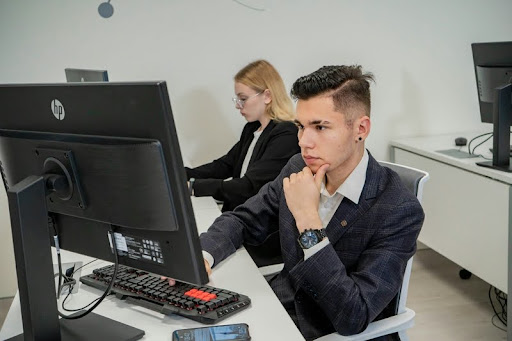
Reimagining work: HR is shifting focus to skills, not just job titles.
If you’ve heard the phrase “skills-first workforce” and wondered what it actually means, you’re not alone. It’s one of those buzzwords popping up everywhere in business circles, especially in HR and talent management. But what does it really involve? And more importantly, what role does HR play in making it happen?
In this article, we’ll break down the essentials of a skills-first workforce in plain English. You’ll learn why the shift is so important right now and how HR teams can lead the charge to build a workforce that’s ready for today and tomorrow. Ready to get started? Let’s dive in.
What Is a Skills-First Workforce, Anyway?
Simply put, a skills-first workforce means focusing on what people can do rather than just their job titles, degrees, or years of experience. It’s about identifying and valuing the actual skills employees bring to the table and using those skills as the foundation for hiring, training, and career growth.
Think about it: Instead of a job posting demanding “5 years of marketing experience,” a skills-first approach might say, “Looking for someone who can create compelling content and analyze digital campaigns.” It’s a shift from fixed roles to flexible, skills-based capabilities.
This approach helps companies adapt faster, spot hidden talent, and give employees a clearer path to grow in ways that match both their abilities and the business’s needs.
Why Is Everyone Talking About Skills-First Now?
Good question. The world of work is changing faster than ever. Digital tools and automation are reshaping jobs, and new skills are popping up all the time. At the same time, many U.S. companies face talent shortages. The traditional model, hiring based mainly on degrees and years of experience, just isn’t cutting it anymore.
Plus, employees want more than a paycheck. They want development, purpose, and the chance to build skills that keep them relevant. So, companies that focus on skills-first are better positioned to attract and retain talent in this competitive market.
And here’s a stat to consider: According to a 2023 LinkedIn report, 94% of employees would stay longer at a company that invested in their career development. That’s powerful.
How Does HR Fit Into Building a Skills-First Workforce?
HR is at the heart of this shift. Why? HR designs how organizations attract, develop, and retain talent. They set the rules of engagement for skills, deciding which skills matter, how to measure them, and how to support employees in growing them.
HR teams are the bridge between leadership’s big-picture goals and the day-to-day reality of managing people. They’re responsible for making sure everyone understands the new focus on skills and helping to build the systems that support it.
Without HR’s strategic vision and hands-on work, shifting to a skills-first model would be nearly impossible.
What Are the Best Ways HR Can Build Skills-First Hiring Practices?
One of the first places HR can make a difference is in hiring. This means rethinking how job descriptions are written and how candidates are evaluated.
Instead of relying on checkboxes like degrees or years of experience, HR can focus on specific competencies and skills relevant to the job. That means asking: “What does this role really need to succeed?” and “What skills will help someone grow in this role?”
Using skills assessments and structured interviews centered on abilities rather than credentials can open doors for candidates who might otherwise be overlooked, like career changers or self-taught professionals.
How Can HR Support Internal Mobility and Career Growth Through Skills?
Employees don’t just want to get hired; they want to keep growing. HR can create clear pathways for internal mobility by mapping the skills employees have against new roles they could step into.
Imagine a marketing specialist who wants to move into project management. HR can help identify the transferable skills they already have and the gaps they need to fill, then suggest training or stretch assignments to bridge those gaps.
This transparency makes employees feel valued and motivated. It also helps companies fill roles faster by promoting from within.
What Role Does Learning and Development Play in a Skills-First Workforce?
It plays a huge role. In a skills-first model, learning is continuous, not a one-time event. HR needs to set up programs that make upskilling and reskilling part of everyday work life.
That means offering training tailored to actual skill gaps, encouraging on-the-job learning, and using tools to track progress. It’s about giving employees the resources to build skills that matter, not just generic training.
When employees see that their growth is a priority, engagement goes up, and so does performance.
How Can Technology Help HR Track and Manage Skills?
Technology is a game-changer here. HR software that tracks skills profiles, learning history, and performance data can give a clear picture of where talent stands across the organization.
With accurate data, HR can detect patterns, identify gaps in skills, and forecast future demands. They can also make more informed choices regarding hiring, promotions, and training allocations.
However, it’s essential to verify that this data is precise, current, and utilized equitably. Being transparent with employees about the usage of their data fosters trust and engagement.
What Obstacles Might HR Encounter When Adopting a Skills-First Approach?
Transitioning is not always straightforward. HR may face pushback from managers accustomed to conventional hiring practices or employees concerned about new standards.
Maintaining fairness is another issue. A skills-first framework should be inclusive, minimizing bias and acknowledging the diverse ways individuals acquire and exhibit skills.
Moreover, it’s crucial to maintain uniformity across teams. HR must ensure that policies and skill definitions are explicit and consistently applied across all departments and locations.
How Can HR Begin to Create a Skills-First Workforce?
Initiating this process is easier than it may seem. Start with a skills gap analysis to determine existing abilities and future requirements.
Then, revise job frameworks and descriptions to prioritize skills over qualifications. Have clear communication with employees about the significance of this shift and its implications for them.
Foster cross-functional support by engaging leaders, managers, and employees from the outset. This collaborative strategy aids in facilitating the transition.
Why Should HR Dedicate Itself to a Skills-First Future?
Because the future of work has arrived. Organizations that adopt a skills-first philosophy will be more adaptable, innovative, and competitive.
For HR professionals, this represents an opportunity to evolve their role from administrative tasks to strategic and meaningful contributions.
Investing in a skills-first workforce is not merely a one-off initiative, it is a continuous journey that benefits all parties involved: the organization, its employees, and even the clients.
FAQ: Frequently Asked Questions About HR and Skills-First Workforces
Q: What differentiates skills-first hiring from traditional hiring? A: Skills-first concentrates on the actual abilities and competencies of candidates, while traditional hiring typically places greater emphasis on degrees and years of experience.
Q: How can HR determine the essential skills required in the workforce? A: HR can assess business objectives, consult with leaders, and evaluate current job roles to identify crucial skills for success.
Q: Which tools can assist in tracking employee skills? A: Learning management systems (LMS), talent management software, and skills databases assist HR in mapping and monitoring skill development.
Q: In what ways does a skills-first approach enhance employee retention? A: It fosters career development and growth, leading employees to feel appreciated and increasing their likelihood of staying.
Q: Can adopting a skills-first model contribute to diversity and inclusion? A: Absolutely, by prioritizing skills over conventional credentials, organizations can expand their talent pool and mitigate bias.
If you work in HR or talent management, now is the ideal time to reconsider your organization’s approach to skills. Interested in how to start? Begin with a skills assessment and engage your leadership team. Transitioning to a skills-first model is not just wise, it is crucial for cultivating a workforce that prospers in today’s rapidly evolving landscape.
About the Author