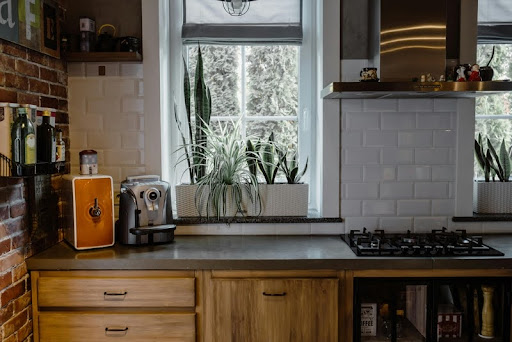
Where smart design meets modern comfort—luxury living starts in a kitchen that thinks with you.
Have you ever walked into a home and felt, This is comfortable in a totally different way? That might be more than just good design. For many of us today, sustainable homes aren’t just a nice-to-have. They’re becoming a major part of how we live, how we buy, and how we think about value. Green living isn’t a niche trend anymore, it’s shaping the future of real estate in the U.S. And that means if you’re thinking about buying, building, or renovating a home, understanding “sustainable” might be one of the smartest moves you make.
In this article, we’ll break down what makes a home sustainable, why that matters for value, how it impacts your lifestyle and the planet, and how you can move toward green living yourself. So let’s get into it.
What is a sustainable home, really?
Answer: A sustainable home is one designed and built (or retrofitted) with eco-friendly materials, energy-saving systems, water efficiency, and health-focused features, all working together to reduce waste, costs, and environmental impact.
When you hear “green home,” you might picture solar panels or wind turbines. Sure, those are part of it. But sustainable homes go deeper: Think smart insulation, non-toxic materials, efficient windows and doors, smart thermostats, and good ventilation. The goal? Use less energy and water, create healthier living spaces, and build something that lasts.
Design choices and technologies go hand in hand. For example: building orientation (so the sun helps rather than hurts), windows that keep heat in or out, systems that provide fresh air without wasting energy. These aren’t just “add-ons”, they’re part of the entire picture.
Why does green living add economic value to a home?
Answer: Because sustainable features reduce operating costs, appeal to more buyers, and are increasingly recognized in the housing market as a value driver.
Let’s unpack that. First: energy & utility savings. Homes built to efficient standards save more money. For instance, homes built under the ENERGY STAR program save on average up to 20 % more energy compared to typical homes. (s201.q4cdn.com) Over time, those savings add up, lower bills every month go straight to your bottom line.
Second: buyer demand. Survey data shows that about 60 % of homebuyers say energy efficiency or sustainability features matter in their decision. (Reports 2025″>WifiTalents) And lenders and real-estate agents are noticing:
71 % of agents believe sustainable homes will be standard within the next five years. (ZipDo)
Third: market recognition. Homes that advertise green features can sell faster and for more. For example, one market study noted energy-efficient homes now sell at a premium, up to 5 % more. (arvyestate.com) So if you’re buying or selling, sustainable could equal smarter.
Fourth: certification and transparency. When a home has recognized credentials (LEED, ENERGY STAR, NGBS) and you can see the features, buyers feel confident. That confidence often translates into value.
So the takeaway: sustainable homes aren’t just “better for the planet,”, they’re better for your wallet too.
How do sustainable homes help the environment and improve resource efficiency?
Answer: They reduce greenhouse-gas emissions, cut energy and water consumption, use materials more responsibly, and contribute to broader climate goals.
Let’s get concrete. Green building data shows homes can reduce energy use by up to 30-50% compared to conventional homes. (ZipDo Education Reports 2025″>ZipDo) That means less fossil-fuel consumption, fewer emissions, and a lighter load on the grid.
Water: efficient fixtures, smart landscaping, rainwater harvesting—these features can cut water use by 40 % or more. (ZipDo Education Reports 2025″>ZipDo) Materials: using recycled or responsibly sourced materials, reducing waste in construction. Combined, these make a difference both in the build phase and the lifetime of the home.
In short: sustainable homes help you live lighter on the planet, not just for today, but for decades to come. And that’s increasingly meaningful for neighborhoods, cities, and future generations.
How do sustainable homes improve health and lifestyle?
Answer: They create better indoor environments (air quality, lighting, comfort), reduce stress about utility bills, and support a lifestyle that feels modern, smart, and aligned with values.
Picture a home with large windows oriented for natural light, good airflow (so fewer stale rooms), materials free of harmful chemicals (no VOC painting), and a thermostat that intelligently adapts.
That’s living in a way that is good for the environment.
Having better air inside your home means fewer things can make you sneeze, and you won’t need to use strong heaters or air conditioners as much. Using efficient lights, like LEDs and smart designs, helps create nicer living spaces. All of this makes your life feel better.
Additionally, when you know your home needs less energy, your bills are lower. This gives you a break and makes you feel relieved. For lots of homeowners, this peace of mind is a big reason why they like it.
So, choosing to be eco-friendly is not only about the gadgets and solar panels. It’s also about your lifestyle, how your home affects you, and how you feel living in it.
How is living green changing the future of home buying?
It’s changing what buyers want, leading to new rules for building and fixing homes, and changing what “value” means when buying a house or investing in property.
Let’s look at what buyers want. Younger people, like millennials and Gen Z, really like homes with eco-friendly features. A report on design trends says that more than 70% of homeowners want green features in places like kitchens and bathrooms. If buyers want these things, builders will create them and sellers will sell homes that have these features.
New construction is changing as well. In fact, 72 percent of new houses built in 2023 supposedly used some environmentally friendly building methods. Certification and information about these practices are getting better. For instance, the National Association of Realtors found that more clients are asking about energy-saving options: in a recent poll, 42 percent of agents shared that clients “rarely” inquired about energy improvements, which is a big rise from 2024 numbers.
What does this mean for home value? As things like energy-saving features, water-saving options, and eco-friendly materials become essential instead of just nice-to-have, homes that don’t include these might fall behind. In simpler terms, being green is no longer just an extra; it’s a requirement.
So, if you are thinking about buying, building, or fixing up a home, consider this: Does this house have what is needed for the future? The more it meets those future needs, the stronger it will be in the market.
How can you move towards a more eco-friendly home?
Answer: Begin with small steps, make thoughtful plans, and focus on changes that make a big impact on both your lifestyle and your home’s value.
Here are some actions you can take:
Start with what you have. If you live in a home already, switch to LED lights, install smart thermostats, fix air leaks, and replace old windows, these all help with efficiency and comfort.
Concentrate on important systems. Major systems like insulation, heating and cooling, and windows can really change things for the better. Research shows that updating old buildings can cut operating expenses by 20 to 30 percent.
Think long term. Don’t only consider if something will save you money this month. Ask yourself if it will still be relevant in 10 or 20 years. Planning for the future pays off.
Use available programs. Many government programs offer tax credits and rebates for solar panels, energy-efficient windows, and heat pumps. A study found that homes with these certifications tend to sell faster.
When you’re buying or building a new home, ask good questions. For example: What energy efficiency guidelines were followed? Is this house certified (like ENERGY STAR, LEED, or NGBS)? What are the expected yearly utility costs?
Balance your budget with value. Yes, adding green features might cost more upfront. But in the end, you save on bills, get a higher selling price, enjoy more comfort, and have a stronger home.
If you are planning to buy a home, upgrade an existing one, or just want to live more smartly and sustainably, now is a great time to take action. And take a moment to think about how you would prefer a home that drags energy bills up or pulls them down? That’s the difference sustainability makes.
Conclusion: The Lasting Value of Sustainable Homes
We’ve covered a lot of ground: what sustainable homes are, how they deliver economic value, help the environment, improve how we live, and how they’re reshaping residential real estate. And really, the core message is this: green living isn’t just about ideology. It’s about a smarter investment. It’s about homes that perform better, feel better, and hold up better as the market changes.
If you’re making a move, buying, building, or renovating, consider sustainability not as an add-on, but as integral. Because the homes that align with efficiency, resource smartness, health, and future-readiness will likely be the winners.
Want to dig into this more? Maybe you’re curious about the cost vs. benefit of solar panels, or what certifications matter most in your region. I’d be happy to help you explore those next steps. Just let me know.
FAQ
Q: What features make a home truly “sustainable”? A: Features like high-performance insulation, energy-efficient windows/doors, HVAC systems that use less energy, solar panels or renewable energy access, water-efficient fixtures, non-toxic materials, passive design elements (natural light, orientation), and reliable certifications such as ENERGY STAR, LEED, or NGBS.
Q: How much more value does a sustainable home have? A: It varies by market. Some data show energy‐efficient homes selling for up to about 5 % more than comparable non-energy-efficient homes. (arvyestate.com) Also, homes with green features often sell faster and generate buyer interest.
Q: Are sustainable homes more expensive to build? A: Sometimes yes, the upfront cost is higher. But many efficient systems reduce long-term costs (bills, maintenance), and incentives/tax credits are available. Over time, the total cost of ownership can be lower than conventional homes.
Q: What’s the best way to start getting a sustainable home? A: If you already own a home, start with upgrades like sealing, windows, efficient heating/cooling, LED lighting. If you’re buying or building: ask for certification, check energy documents, and include sustainability in your selection criteria.
Our future self will benefit.
About the Author




