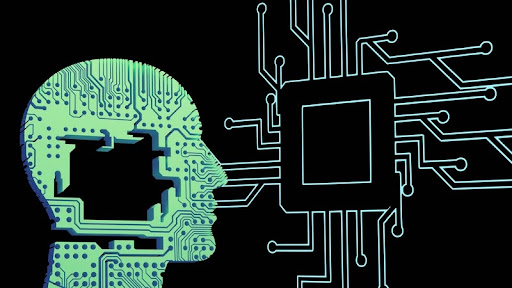
Behind every search result is a silent algorithm deciding what you see first.
Machine learning sounds like something reserved for tech labs or advanced AI research, right? In reality, it’s quietly running behind the scenes in places you wouldn’t expect. Every time you interact with certain digital tools, there’s a good chance a machine learning algorithm is working in the background, learning from patterns, predicting outcomes, and making decisions without you even noticing.
So, how does it work? And why should you care? Let’s break it down in plain English.
What Is Machine Learning in Simple Terms?
Machine learning is a type of artificial intelligence where systems learn from data instead of following step-by-step instructions written by a programmer. Instead of being told exactly what to do, these systems “train” on information and figure out how to make predictions or decisions.
Think of it like this: in traditional programming, you feed a computer rules, and it follows them. In machine learning, you feed it examples, and it learns the rules on its own. That’s why machine learning is powerful; it adapts.
The main types you’ll hear about are:
- Supervised learning – The system learns from labeled data, where it knows the right answers during training.
- Unsupervised learning – The system looks for patterns in unlabeled data, figuring out groupings or structures without prior guidance.
- Reinforcement learning – The system learns through trial and error, receiving rewards or penalties based on its actions.
How Do Machine Learning Algorithms Work Behind the Scenes?
At the core, machine learning algorithms process massive amounts of data, identify patterns, and use those patterns to make predictions. They’re constantly “training” in the background, refining themselves with each new piece of data they encounter.
Here’s the catch: you often don’t see them working. They’re built to be invisible so your digital experience feels seamless. The interface you interact with might seem simple, but underneath, there’s a complex process running:
- Data collection – Gathering information from interactions or inputs.
- Pattern analysis – Spotting recurring behaviors or characteristics.
- Prediction or classification – Applying learned patterns to make decisions.
That’s the hidden magic. You get the results without seeing the gears turning.
What Are the Main Categories of Everyday Machine Learning Algorithms?
While you can find hundreds of algorithm variations, most everyday systems use a few broad categories:
1. Search and Information Retrieval
These algorithms decide which information appears first when you’re looking for something. They analyze relevance, quality, and context to give you results that (ideally) match what you want.
2. Personalization and Recommendations
Machine learning can tailor suggestions or options based on your past choices. It looks at your activity patterns and predicts what you might prefer next.
3. Predictive Analytics
This involves forecasting what’s likely to happen based on past data. It could be predicting demand, interest, or outcomes with a surprising level of accuracy.
4. Classification and Filtering
Here, the system sorts information into categories, often to organize or filter what you see. Classification can be as broad as separating “relevant” from “irrelevant” or as specific as tagging by subject.
5. Pattern Recognition
Some algorithms are designed to detect recurring patterns or anomalies. This is useful when the system needs to notice changes, trends, or unusual behavior.
How Do Machine Learning Algorithms Influence User Experience?
Machine learning affects what you see, in what order, and how quickly you find it. It influences:
- Relevance – Showing you what the system believes is most useful.
- Prioritization – Deciding what gets attention first.
- Adaptation – Changing the experience based on your behavior over time.
Over time, these algorithms can create feedback loops. The more you interact with the results, the more the system reinforces its assumptions about you.
Why Don’t We Notice Machine Learning in Action?
The short answer: it’s designed to be invisible. If you notice it, it might break the flow of your experience. Here’s why it often goes unnoticed:
- Integration – Machine learning is built directly into interfaces you already use.
- Automation – Actions happen instantly without asking for your input.
- Adaptation – You naturally adjust to the changes it makes without realizing it.
Think about it, when something just “works” without you having to think about it, you rarely stop to question what’s happening in the background.
Why Is Awareness of Machine Learning Important?
You don’t need to know how to code algorithms, but having awareness matters. Machine learning isn’t neutral, it’s shaped by the data it learns from, which can introduce bias.
Key points to keep in mind:
- Transparency – Knowing when and how algorithms are used helps you understand your digital environment.
- Bias risk – If the data is biased, the output can be biased too.
- Informed choices – Awareness allows you to question results instead of accepting them blindly.
The more you understand what’s happening behind the screen, the more control you have over your own digital experience.
The Balance Between Convenience and Control
Machine learning brings huge benefits, efficiency, personalization, and automation. But it also comes with trade-offs, like less visibility into decision-making processes.
The best approach?
- Enjoy the convenience.
- Stay aware of the potential downsides.
- Ask questions when something doesn’t feel right.
Being an informed user means you get the best of both worlds: smarter technology and smarter choices.
Final Thoughts
Machine learning is not just a futuristic idea. It’s a present-day reality quietly woven into your digital life. You may not see it, but it’s there, ranking, recommending, predicting, and filtering every step of the way.
By understanding the basics, you give yourself a small but valuable edge in a world increasingly driven by algorithms. Next time you interact with a system that seems to “just know” what you want, take a second to remember: there’s some clever machine learning running under the hood.
FAQ – Machine Learning in Everyday Life
Q1: What is the main purpose of machine learning in everyday tools? Machine learning helps systems adapt to user behavior, predict needs, and deliver more relevant experiences automatically.
Q2: How does machine learning work without me noticing? It’s integrated directly into the tools you use, running silently in the background to keep your experience smooth and personalized.
Q3: Can machine learning make mistakes? Yes. Algorithms are only as good as the data they learn from, so they can make errors or reflect bias in their predictions.
Q4: Why should I care about machine learning if it’s just in the background? Awareness helps you make informed choices, understand potential bias, and use technology more intentionally.
Q5: Is machine learning the same as artificial intelligence? Machine learning is a subset of AI focused on systems that learn from data, while AI is a broader field covering all forms of intelligent behavior in machines.
About the Author