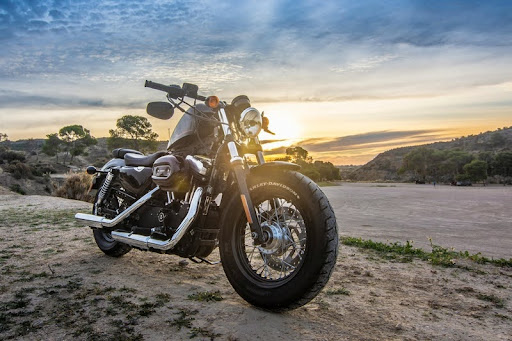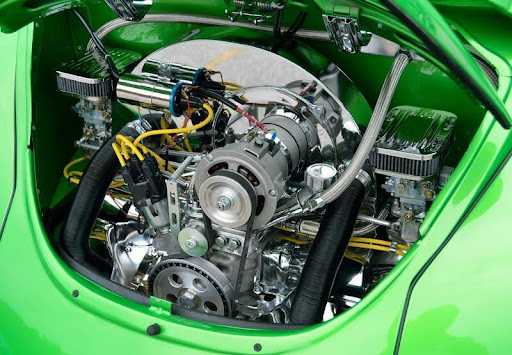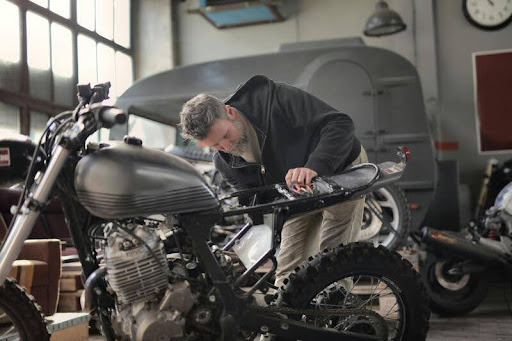
A quick pre-ride inspection helps catch small issues before they turn into big problems on the road.
If you ride a motorcycle in the U.S., you already know there’s nothing quite like hitting the open road. But here’s the thing: if your bike’s not in good shape, that freedom can turn into frustration fast. So, how do you keep your motorcycle running smoothly, safely, and reliably? It starts with a solid maintenance routine.
This isn’t about overcomplicating things. It’s about knowing what to check, when to check it, and how to spot problems before they leave you stranded on the side of the road.
Let’s break down exactly what to do, and when, with this easy-to-follow motorcycle maintenance checklist made just for U.S. riders.
What Should I Check Before Every Ride?
You don’t need to do a full inspection every time you hop on your bike. But giving your ride a quick once-over before you head out is smart, and it only takes a few minutes.
Here’s your go-to pre-ride inspection checklist:
- Tires: Are they inflated properly? Look for obvious signs of wear, cracks, or nails.
- Brakes: Squeeze both levers. Do they feel tight and responsive? If not, it’s time to take a closer look.
- Lights & Signals: Make sure your headlight, brake light, and turn signals are working. You want to be seen.
- Leaks: Check under the bike. Any fresh drips of oil or fluid? That’s a red flag.
- Chain or Belt: Give it a glance. Is it too loose or too tight? Does it look dry?
Think of this as your pre-flight checklist. It doesn’t have to be long, but it keeps you safe and helps catch small problems before they become big ones.
What Maintenance Should I Do Weekly?
You don’t need a shop to do basic weekly checks. You just need a little time and a bit of attention.
Here’s what you should check every week:
- Oil Level: Use your dipstick or sight glass. Top off if needed.
- Coolant (if applicable): Make sure it’s topped off, especially in summer heat.
- Chain Lubrication: If it looks dry or makes noise, lube it.
- Battery Terminals: Check for corrosion or loose connections.
- Tire Tread: Use a penny; if you can see all of Lincoln’s head, it’s time for new tires.
Staying on top of this stuff weekly can keep your bike running smoothly and save you from costly repairs later.
What Motorcycle Maintenance Should I Do Monthly?
Once a month, it’s worth digging a little deeper. Set aside 20–30 minutes and do a more detailed inspection.
Here’s your monthly motorcycle maintenance checklist:
- Brake Pads and Rotors: Are the pads getting thin?
Do the rotors look grooved or warped?
- Clutch Cable: Is it stretched? Does it engage smoothly?
- Throttle: Roll it, does it snap back like it should?
- Suspension: Look for leaks around your fork seals. Push down on the front and rear. Do they bounce too much?
- Loose Bolts: Give your bike a quick shake-down. If anything feels wobbly, tighten it up.
Motorcycles vibrate. A lot. Over time, that can loosen up more than you think, especially with frequent U.S. road trips and long commutes.
How Often Should I Do Seasonal or Quarterly Maintenance?
Every few months, or at the start of a new riding season, take time for more in-depth maintenance. Especially if you ride year-round or store your bike in winter.
Seasonal or quarterly motorcycle maintenance should include:
- Oil and Filter Change: Stick to your manual, but roughly every 3,000–5,000 miles is a good rule.
- Air Filter: A clogged filter means your bike’s working harder than it should. Clean or replace it.
- Fuel System: Check fuel lines for cracks and inspect the fuel filter if you’ve got one.
- Spark Plugs: Pull them out and take a look. Clean if needed, replace if worn.
- Electrical Connectors: Make sure everything is dry, snug, and corrosion-free.
Changing seasons often mean changing road conditions. Cold weather, humidity, and heat all impact how your bike runs.
What Motorcycle Maintenance Should I Do Once a Year?
Even if you ride light, there are some things you shouldn’t skip annually. These are your big-ticket maintenance items, the kind that keep your bike safe and running like new.
Here’s what to check or replace once a year:
- Full Fluid Flush: Brake fluid, coolant, and sometimes clutch fluid if it’s hydraulic.
- Battery Test: Even if your battery seems fine, get it tested. The average motorcycle battery lasts 2–4 years.
- Wheel and Steering Bearings: Listen for grinding or play in the front end. If it feels “off,” have it inspected.
- Frame and Welds: Check for signs of stress or corrosion, especially around joints.
- Professional Inspection: Even if you DIY most of your maintenance, having a pro give it a once-over annually isn’t a bad idea.
Think of this as your bike’s yearly physical. It catches things early and helps your ride last longer.
How Should I Prepare My Motorcycle for Winter or Long-Term Storage?
If you’re in a colder state or planning not to ride for a while, prepping your motorcycle for storage is a must. Neglect this and spring will greet you with dead batteries, gunky fuel, and rust.
Here’s how to store a motorcycle the right way:
- Add Fuel Stabilizer: Keeps your gas from breaking down and clogging your system.
- Charge or Remove Battery: Use a battery tender or store it indoors on a shelf.
- Clean It First: Dirt traps moisture, which causes rust.
- Cover It Up: Use a breathable cover, not a tarp, to avoid trapped moisture.
- Lift the Tires: Use stands or blocks to keep them off cold cement and avoid flat spots.
Proper storage protects your bike’s resale value and saves you headaches when it’s time to ride again.
What Basic Tools and Supplies Should I Keep for Motorcycle Maintenance?
You don’t need a full garage setup, but having the right tools on hand makes DIY maintenance easier and a lot less stressful.
Motorcycle maintenance essentials include:
- Tire pressure gauge and mini compressor
- Chain lubricant and cleaner
- Oil change kit (drain pan, funnel, wrench)
- Screwdrivers, socket set, Allen keys
- Torque wrench (for proper tightening)
- Maintenance log or tracking app
Staying organized helps you keep track of what’s been done and when to do it again.
Why Is Motorcycle Maintenance So Important for Safety?
A well-maintained motorcycle isn’t just about performance, it’s about staying safe on the road.
When you ride, especially in busy U.S. cities or on fast-moving highways, you rely on your brakes, tires, and lights to work perfectly. Neglecting those things puts you and everyone else on the road at risk.
Plus, breakdowns aren’t just inconvenient. They can be dangerous, especially if you’re far from help or stuck on the shoulder of a highway.
Bottom line? Routine maintenance saves lives. Don’t skip it.
Quick Stats Every U.S. Rider Should Know
- The National Highway Traffic Safety Administration (NHTSA) reports that mechanical failures contribute to roughly 3% of motorcycle crashes in the U.S.
- Tire problems are among the top mechanical causes.
- Motorcycle batteries are one of the most commonly replaced components, with most needing replacement after 2–4 years.
Final Thoughts: Make Motorcycle Maintenance a Habit
It doesn’t take much to keep your bike in great shape. A few minutes before a ride, a weekly walk-around, and some scheduled check-ins throughout the year go a long way.
Think of it like brushing your teeth, easy, quick, and essential if you want to avoid bigger problems later.
Want to stay on top of things? Set reminders on your phone, keep a maintenance checklist handy, or use an app that tracks mileage-based services.
Your future self (and your wallet) will thank you.
FAQ: Motorcycle Maintenance in the U.S.
How often should I change my motorcycle oil?
Every 3,000 to 5,000 miles is a good rule for most bikes, but always check your owner’s manual.
What’s the best way to store a motorcycle for winter?
Clean it, use a fuel stabilizer, remove or charge the battery, cover it with a breathable cover, and lift the tires off the ground if possible.
How can I tell if my motorcycle tires are still good?
Use the penny test. If you see the top of Lincoln’s head, it’s time for new tires. Also, check for cracks, uneven wear, or bulges.
Do I really need to lube my chain regularly?
Yes! A dry or dirty chain wears out faster and can affect performance. Aim to clean and lube it every 300–600 miles, or after riding in the rain.
Is professional maintenance still necessary if I do it myself?
It’s a good idea to get a professional inspection once a year, even if you’re comfortable with basic DIY maintenance.
About the Author