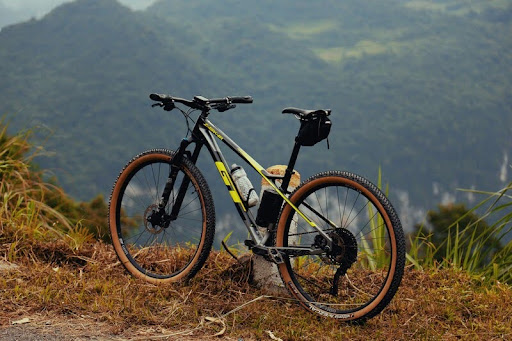
Taking a break on the trail — the perfect spot for mountain bike adventures off the beaten path.
So, you’re thinking about getting a bike, but here’s the thing: should it be a road bike or a mountain bike? This is one of the most common questions for anyone stepping into the cycling world, and it’s a smart one. Because choosing the right bike makes a huge difference in how much you enjoy your rides, how far you go, and even how often you want to get out there.
Let’s break down the essentials so you can decide which bike really fits your style, goals, and the kind of roads (or trails) you want to tackle.
What’s the difference between a road bike and a mountain bike?
Right off the bat, road bikes and mountain bikes were built with different purposes in mind. Road bikes are made for speed and efficiency on smooth pavement. Mountain bikes, on the other hand, are designed to handle rough terrain like dirt trails, rocks, and roots.
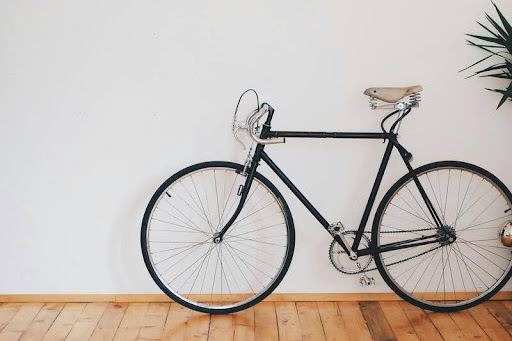
Road bikes have lightweight frames, skinny tires, and drop handlebars that let you get low and aerodynamic. Mountain bikes come with sturdier frames, wider tires with thick tread, and flat or riser handlebars for better control on uneven surfaces.
In short, road bikes say, “Let’s go fast on the street,” and mountain bikes say, “Bring on the trail and rough ground.”
How does the frame and tire design affect your ride?
The frame design is a big deal because it influences comfort, speed, and how the bike handles. Road bike frames usually use lightweight materials like carbon fiber or aluminum, built to be stiff but flexible enough for a smooth ride. Their tires are narrow (about 23-28mm wide) and smooth, helping reduce rolling resistance so you can maintain higher speeds with less effort.
Mountain bikes have heavier, tougher frames made to withstand bumps and drops. Their tires are wider (typically 2 to 2.5 inches), knobby, and grippy to handle dirt, mud, and rocks. This extra traction slows you down on pavement but is essential off-road.
So, if you’re mostly on pavement and want to go farther, lighter and thinner tires are your friend. But if you’re tackling forest trails or gravel roads, wide knobby tires are the way to go.
What about handlebars? Why do they matter?
Handlebars might seem like a small detail, but they shape how you ride. Road bikes use drop bars, those curved handlebars that let you switch hand positions and lean forward for speed. It might feel odd at first, but it’s great for cutting wind resistance and long rides.
Mountain bikes use flat or riser bars that are straight across or slightly angled upward.
. This gives you more control and stability on tricky terrain and helps you react quickly when the trail gets rough.
So, the handlebar style matches the kind of riding you do. Drop bars for speed and efficiency, flat bars for control and agility.
Why do mountain bikes have suspension, and do road bikes need it?
Most mountain bikes come with suspension systems, either front suspension (hardtail) or both front and rear (full suspension). This helps absorb shocks from roots, rocks, and jumps so your ride feels smoother and your body takes less of a beating.
Road bikes generally don’t have suspension because it adds weight and isn’t needed on smooth pavement. Some endurance or gravel road bikes have minimal suspension or specialized frame designs to dampen vibrations, but it’s nothing like what you see on mountain bikes.
If you’re planning to ride rough trails, suspension is a must-have. For road cycling, skip it for lighter weight and better power transfer.
How does the weight difference impact your ride?
Weight matters a lot in cycling. Road bikes tend to be lighter, often between 15 and 20 pounds, which makes climbing hills and accelerating easier. Mountain bikes are heavier, usually 25 to 35 pounds or more, because of their sturdy frames, suspension, and bigger tires.
This weight difference affects speed and effort. Want to zip around town or race? Lighter road bikes shine here. Want to take on technical trails with stability? The extra weight on a mountain bike is worth it.
What’s the riding experience like on each bike?
Riding a road bike feels smooth, fast, and efficient. Your position is more aggressive; you lean forward, which can feel a little stretched out if you’re new. You’ll find yourself covering more miles with less effort on paved roads or bike paths.
Mountain biking is a whole different vibe. You sit more upright, with handlebars that give you direct control over tricky terrain. You’ll move slower overall but get to tackle dirt, mud, rocks, and roots with confidence. It’s more physical and technical, requiring quick reflexes and strength.
Ask yourself: Do you want to push your speed limits on smooth roads, or explore rugged trails and get into technical riding?
How much maintenance does each bike require?
Road bikes need regular maintenance too, but it’s mostly about keeping the chain clean, tuning the gears, and checking tire pressure. Because the parts are lighter and have closer tolerances, they can be a bit more delicate
But overall, road bikes don’t deal with as much dirt or damage.
Mountain bikes take more abuse, so expect to clean mud and grit off after every ride. Suspension parts need occasional servicing, brakes and gears require adjustments, and tires wear out faster due to rough terrain.
Maintenance on mountain bikes tends to be more frequent and involved, but it keeps your bike ready for the trails.
How do the costs compare?
Road bikes and mountain bikes both come in a wide range of prices, from beginner-friendly to high-end models. Generally, you’ll find entry-level road bikes starting around $500 to $800, with mid-range options between $1,000 and $3,000. High-performance road bikes can go well above $5,000.
Mountain bikes often start a bit higher, usually $700 to $1,000 for entry-level hardtails, with mid-range full suspension bikes between $1,500 and $4,000. Top-tier mountain bikes can also reach $6,000 or more.
Keep in mind, higher prices often mean better materials, lighter weight, and improved components that last longer and perform better. Factor in maintenance costs too, mountain bikes might require more investment in upkeep over time.
Which bike suits different kinds of riders best?
If you’re a casual rider or fitness enthusiast looking for smooth rides, speed, and longer distances on paved roads or bike paths, a road bike is probably your best bet. It’s great for getting in shape, commuting on city streets, or weekend group rides.
Commuters can lean either way depending on their route. If you mostly ride on pavement, road bikes or hybrid bikes (a mix of both) are comfortable and fast. But if your commute includes rough paths or gravel, a mountain bike or a gravel bike might serve you better.
Adventure seekers who love exploring trails, dirt roads, or getting off the beaten path will find that mountain bikes are perfect for their needs. These bikes handle all kinds of terrain and offer a more rugged ride.
Competitive cyclists, racers, or anyone focused on speed and endurance generally go for road bikes because of their aerodynamic design and light weight.
How do you decide which bike is right for you?
Here’s the key: Think about where you’ll be riding most, what kind of riding you enjoy, and your fitness goals. Ask yourself:
- Are you mostly on pavement or dirt trails?
- Do you want speed and distance or technical challenges and adventure?
- How much maintenance are you willing to handle?
- What’s your budget for buying and maintaining the bike?
Trying bikes out before buying is a smart move. Local bike shops usually offer test rides or rentals so you can get a feel for both styles.
Remember, the best bike is the one you’ll enjoy riding regularly. Whether that’s a sleek road bike or a rugged mountain bike, what matters most is getting out there and having fun.
FAQ: Road Bike vs. Mountain Bike
Q: Can I use a mountain bike on the road? A: Yes, but mountain bikes are heavier with knobby tires that slow you down on pavement. They’re great for casual road use but not as efficient as road bikes.
Q: Is a road bike good for beginners? A: Absolutely! Road bikes are great for beginners who plan to ride on smooth roads. Just expect an adjustment period to the riding position and handling.
Q: What’s the best bike for commuting? A: It depends on your route. For mostly paved streets, road or hybrid bikes work well. For rougher or mixed terrain, a mountain bike or gravel bike might be better.
Q: How often should I maintain my bike? A: Regular cleaning and chain lubrication every few rides is a good start. More thorough checkups depend on how often and where you ride.
Ready to pick your perfect bike?
If you’re still on the fence, remember: it’s okay to start simple. Renting or borrowing a bike can help you get a feel for what you like. And don’t hesitate to ask local bike shop experts, they’re pros at matching riders with the right gear.
So, what’s your next ride going to be, smooth pavement or rugged trails? Whichever you choose, the road to better health and adventure starts with one pedal stroke.
About the Author