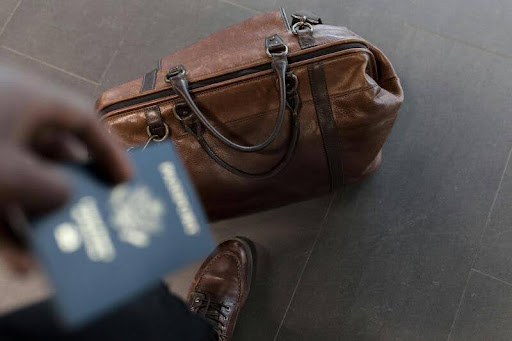
Every smart journey starts with preparation—passport in hand, adventure ahead.
Thinking about hitting the road on your own? You’re not alone, literally and figuratively. Solo travel is on the rise, especially in the U.S., where nearly 1 in 4 travelers say they’ve taken a solo trip in the past year. Whether you’re planning a cross-country road trip, a coastal city hop, or a desert escape, the freedom is unmatched, but so are the responsibilities.
Let’s be real: traveling solo can feel a little intimidating at times. You’re your own navigator, decision-maker, and safety net. But that’s also what makes it powerful. So, how do you enjoy the adventure while staying safe, confident, and in control?
Here’s your no-fluff, experience-backed guide to solo travel safety, straight from seasoned U.S. explorers who’ve learned a few things along the way.
What should you do before leaving for a solo trip?
Start with smart prep, it’s the foundation of safe solo travel.
You don’t have to plan every minute, but a little research goes a long way. Know the neighborhoods you’ll be staying in. Understand the local culture. Look up the safest transportation options. And yes, check the weather, don’t be caught off guard in a surprise snowstorm or heatwave.
Before you head out, share your itinerary with someone you trust. Even if it changes (because it probably will), having a basic plan that someone else knows can make a big difference if something goes sideways.
Also, make copies of your important documents. A quick scan of your passport, ID, travel insurance, and tickets stored in the cloud can save you major headaches if your wallet disappears mid-trip.
Packing smart is part of the prep, too. Choose clothes that help you blend in, not stand out. Think comfortable, functional, and weather-appropriate. Add a few safety essentials to your bag: a portable charger, travel locks, a mini first-aid kit, and maybe even a whistle or door alarm, just in case.
How do you stay safe during transit?
Travel days are when your guard should be up the most.
Airports, train stations, and bus terminals are busy, chaotic, and perfect environments for petty theft. Keep your bags zipped, your phone secure, and your wits about you. Don’t fall asleep with your gear unattended, and don’t flash cash or valuables.
If a stranger strikes up a conversation, it’s okay to be friendly. But avoid giving away too much personal info, like where you’re staying or that you’re traveling alone.
You can be polite without oversharing.
Stick with official rideshare apps or trusted shuttle services. If you’re hopping in a taxi, check that it’s licensed and metered. In places where public transportation is safe, it’s often the most budget-friendly option, but always keep a backup plan in case something feels off.
Where should solo travelers stay to feel secure?
Choose accommodations that prioritize safety as much as comfort.
Read reviews, not just about how clean the place is, but how other solo travelers felt staying there. Look for mentions of well-lit entrances, 24/7 security, or staff responsiveness. Trust your gut: if it looks sketchy online, it probably is in person.
Once you arrive, do a quick room check. Test the locks. Find the nearest emergency exit. Avoid rooms on the ground floor when possible (they’re easier to break into), and always lock the door, even if you’re just popping down to the lobby.
Don’t share your room number loudly or post your exact location in real time. It’s tempting to show off a cool spot on Instagram, but consider waiting until after you’ve moved on to post the pics. Your safety > real-time clout.
What are the best ways to stay safe while exploring alone?
Stay aware. Stay confident. And trust your instincts, every time.
When you’re out and about, avoid walking around with your head buried in Google Maps. Scan your surroundings regularly. If something feels off, listen to that feeling. It’s better to be safe than polite.
You don’t have to avoid talking to people, but do so on your terms. Choose public settings for chats and avoid isolated spots, especially after dark. And speaking of nighttime, limit alcohol, know your limits, and never leave your drink unattended.
Also, blending in can help you fly under the radar. Loud outfits, flashy jewelry, or acting unsure can make you more noticeable to the wrong people. Walk like you know where you’re going, even if you don’t. Fake it till you make it, right?
How do you protect your personal information and devices?
Digital safety is just as important as physical safety.
Free Wi-Fi might be tempting, but public networks can be sketchy. Use a VPN if you’re logging into anything sensitive, like banking apps, email, or even your hotel reservation.
Keep your devices charged. Always. A portable power bank isn’t optional; it’s essential. You don’t want to be stuck in an unfamiliar area with a dead phone and no way to navigate or call for help.
And while we’re on the topic: Back up your photos regularly. Whether it’s cloud storage or an external drive, don’t let all those epic moments disappear because of a tech glitch or lost phone.
How can you stay mentally prepared for solo travel?
Confidence is your best travel companion.
Let’s face it, things might not always go according to plan. You might miss a bus, get lost, or have an awkward interaction. That’s okay. Breathe, reassess, and adapt. Solo travel builds resilience because you learn to handle things on your own.
Ease into it if you’re nervous. Start with a short trip or stick to familiar environments until you feel more confident venturing further. Over time, you’ll get better at reading situations, making quick decisions, and trusting yourself.
Remember, solo doesn’t mean isolated. You’ll meet people on the road, whether it’s through group tours, hostels, or coffee shop conversations. You can choose when to connect and when to recharge on your own.
Quick Stats: Why This Matters
- 74% of women in a 2023 travel survey said safety was their top concern when traveling alone.
- The U.S. State Department consistently ranks travel safety as a leading concern in international and domestic travel advisories.
- Solo travel-related Google searches jumped over 150% in the last 2 years.
Translation? More people are hitting the road alone, and they’re asking the same safety questions you are.
Ready to Go? A Few Final Tips
- Always carry a little emergency cash, separate from your wallet.
- Learn a few local phrases if you’re visiting non-English speaking areas (even within the U.S., regional slang can be a lifesaver).
- Download offline maps, Wi-Fi won’t always be there when you need it.
- Trust your gut. It’s one of your best tools out there.
FAQs: Solo Travel Safety
Is it safe to travel alone in the U.S.? Yes, many places in the U.S. are solo-travel-friendly, especially if you stay alert, plan ahead, and follow basic safety practices.
What’s the safest way to meet people while traveling solo? Public group tours, meetups through trusted apps, or hobby-based classes (like cooking or walking tours) are great, low-risk options.
Should I tell people I’m traveling alone? Use discretion. In some cases, it’s safer to imply you’re meeting someone or not mention it at all.
What safety gear should I pack for solo travel? A portable phone charger, basic first-aid kit, doorstop alarm, travel locks, and backup ID copies are all smart additions.
What if I feel unsafe while traveling? Leave the area, contact someone you trust, and if needed, reach out to local authorities. Don’t worry about being “polite”, prioritize your safety.
About the Author