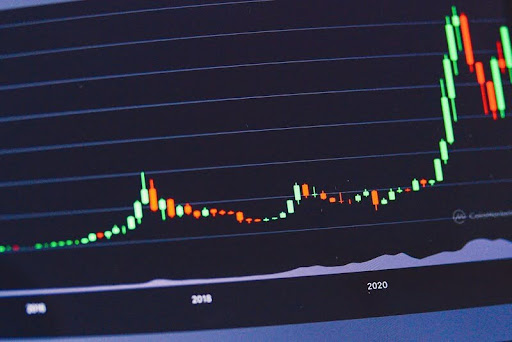
Reading the charts is just the beginning—understanding the strategy behind them is what really counts.
So, you’re diving into the world of crypto and wondering: What’s the best way to trade, spot, margin, or futures? You’re not alone. With Bitcoin, Ethereum, and other digital assets grabbing headlines left and right, crypto trading has become more popular than ever. But figuring out how to trade can feel like a maze of confusing terms, risks, and strategies.
Whether you’re new to the game or just looking to level up, understanding the differences between these trading methods is key. In this guide, we’ll break down spot, margin, and futures trading in plain English, no fluff, no jargon overload. Just the facts you need to make the right call for your goals.
What is spot trading in crypto?
Spot trading is the simplest way to buy and sell cryptocurrencies. You buy a digital asset like Bitcoin at its current market price, on the spot, and it’s yours immediately.
You’re not betting on future prices or borrowing money. You just exchange one currency for another, like USD for Ethereum, and the transaction happens in real time. If you’ve ever used apps like Coinbase or Kraken to buy crypto and leave it in your wallet, congrats, you’ve done spot trading.
Why people like it:
- You own the actual crypto.
- No interest fees or leverage risks.
- It’s beginner-friendly and straightforward.
But here’s the catch: your gains are limited to how much the asset actually moves. No multiplier. If Bitcoin goes up 5%, you make 5%. That’s it. Low risk, but also lower reward.
How does margin trading work in crypto?
Margin trading is where things get spicy. You borrow money from a crypto exchange to boost your buying power. It’s like trading with someone else’s cash to try and make bigger gains.
Say you have $1,000. With 5x leverage, you can control $5,000 worth of crypto. Sounds great, right? Well, it can be, but it’s also risky.
If the market goes your way, you could multiply your profits. But if it turns against you, your losses are also magnified. And worst case? You get “liquidated,” meaning your position is closed automatically, and you could lose your initial investment.
Key things to know:
- You pay interest on the borrowed funds.
- You’re required to maintain a minimum balance (called a margin requirement).
- Liquidation is a real risk if the trade moves against you.
Margin trading is popular among more experienced traders who know how to manage risk. It’s not ideal if you’re just getting started or don’t have time to watch the charts constantly.
What is futures trading in crypto?
Futures trading is all about contracts. You agree to buy or sell a crypto asset at a specific price in the future, without needing to own the asset now.
Instead of trading the coin itself, you’re trading on the price of that coin. These contracts come with an expiration date and can be highly leveraged, sometimes 50x or even 100x on certain platforms.
Futures trading opens the door to advanced strategies like hedging or shorting, but it also comes with a steep learning curve.
Why traders use futures:
- Big potential gains with small capital.
- You can profit when prices fall (short selling).
- It’s useful for hedging your portfolio.
But again, high leverage means high risk. A small price movement in the wrong direction could wipe out your funds fast. This is more of a pro-level tool, not a beginner playground.
What’s the difference between spot, margin, and futures trading?
Here’s a quick breakdown of how they stack up:
| Feature | Spot Trading | Margin Trading | Futures Trading |
| Ownership | Yes | Yes (with borrowed funds) | No (contracts only) |
| Leverage | No | Yes (2x–10x+) | Yes (up to 100x) |
| Risk Level | Low | Medium to High | High |
| Complexity | Low | Medium | High |
| Profit Potential | Limited to asset growth | Higher (via leverage) | Very High (but risky) |
| Time Horizon | Flexible (no expiry) | Short to Medium term | Short-term, contract-based |
What are the pros and cons of each crypto trading method?
Spot Trading Pros and Cons
Pros:
- Simple and intuitive.
- You own real crypto assets.
- No interest or margin calls.
Cons:
- Slower gains (no leverage).
- You can only profit when prices rise.
- It may feel “boring” for advanced traders.
Margin Trading Pros and Cons
Pros:
- Multiply your gains with less capital.
- More flexibility with long and short positions.
- Ideal for short-term moves.
Cons:
- Bigger losses if you’re wrong.
- Requires constant risk management.
- Interest fees on borrowed funds.
Futures Trading Pros and Cons
Pros:
- Trade both up and down trends.
- High leverage = high potential returns.
- More strategy options.
Cons:
- Highly volatile.
- Complex to understand and use well.
- Expiration dates add pressure.
How do you choose the right crypto trading strategy for your goals?
Let’s get real, there’s no one-size-fits-all answer here. The “right” method depends on a few personal factors:
1. Your Experience Level
- Beginner? Start with spot trading. It’s the easiest to learn and safest for your money.
- Intermediate? You might explore margin trading if you’re comfortable managing risk.
- Advanced? Futures could be your arena if you understand leverage and volatility.
2. Your Risk Tolerance
Are you okay with possibly losing most (or all) of your capital for a chance at a big win? Then margin or futures might suit you. Prefer a slow and steady approach? Spot is your best friend.
3. Your Time Commitment
Spot trading doesn’t demand much of your day. Margin and futures?
They often require active monitoring. If you’re not glued to your screen, tread carefully.
4. Your Capital
Spot trading requires full funds upfront. With margin and futures, you can start with less money, but that comes with more strings attached.
What are the common mistakes people make with crypto trading?
No matter the method, new traders tend to fall into a few traps:
- Using too much leverage too soon. It’s tempting to go big, but without experience, that’s a fast way to go broke.
- Trading without a plan. Just reacting to price movements doesn’t work long-term.
- Skipping stop-loss orders. Always have a backup plan to protect your funds.
- Letting emotions lead. Fear and greed are the enemy of good trades.
- Not understanding the platform. Each exchange has its own rules, fees, and tools. Learn them first.
Final Thoughts: So, which crypto trading method is best for you?
There’s no universal best option. Spot trading is great for beginners or long-term holders. Margin offers more power, but more danger. Futures give you flexibility and potential, but demand skill.
Think of it like choosing a vehicle:
- Spot = a reliable car.
- Margin = a sports bike (fast but risky).
- Futures = a racecar with no seatbelt (pro-level only).
Start with what fits your comfort level and grow from there.
If you’re not sure, there’s no harm in paper trading (practice without real money) to test your strategies first.
FAQ: Quick Answers to Common Questions
What is the safest crypto trading method? Spot trading is considered the safest because it involves no leverage or borrowing.
Can you lose more than you invest in crypto trading? Yes, with margin or futures trading, it’s possible to lose more than your initial investment due to leverage.
Is futures trading good for beginners? Not really. Futures trading is complex and risky. It’s better suited for advanced users who understand market dynamics.
How do I start crypto margin trading? You’ll need to enable a margin account on a supported exchange, meet the minimum balance, and agree to the platform’s terms and conditions.
Do I need a lot of money to start crypto trading? Nope. You can start with as little as spot trading, though more capital helps if you want to explore advanced strategies later.
Ready to Take the Next Step?
Now that you’ve got a better grip on spot vs. margin vs. futures, take a minute to think about what kind of trader you want to be. Start small. Learn as you go. And remember, there’s no shame in keeping things simple if that’s what fits your style.
About the Author