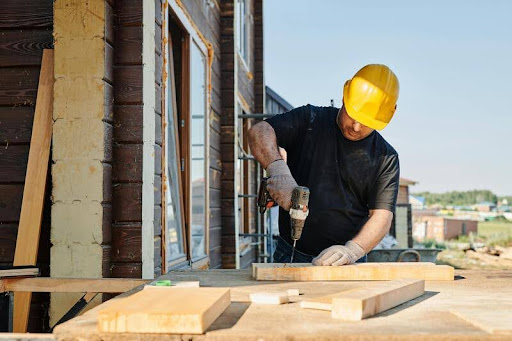
Transforming spaces, one careful upgrade at a time — where precision meets modern design and real home value.
If you’ve been thinking about giving your home a fresh look, 2025 might feel like both the best and trickiest time to do it. Homeowners everywhere are asking the same question: which renovations actually add value anymore?
The truth is, the market has shifted. What buyers wanted a few years ago isn’t necessarily what they’re after now. And with prices, materials, and tastes constantly changing, deciding where to spend your money can feel overwhelming.
This guide breaks down what’s really worth upgrading in 2025, from kitchen tweaks to smart energy fixes, so you can boost your home’s comfort, curb appeal, and resale value without wasting a dime.
Why Does a Smart Renovation Strategy Matter in 2025?
Because the housing market isn’t playing by the old rules anymore.
Interest rates remain relatively high, material costs are unpredictable, and buyers are far more selective than before. According to Zillow’s 2025 Housing Trends Report, more than 60% of U.S. homebuyers now prioritize energy efficiency and functionality over luxury finishes.
That means a flashy renovation that doesn’t improve livability could actually hurt your ROI.
The key? Think long-term. The smartest remodels today are the ones that align with how people actually live, flexible, sustainable, and practical. Whether you’re planning to sell soon or just want a home that feels more “you,” a focused, value-driven strategy will pay off.
How Is the Housing Market Shifting in 2025?
If you’ve noticed “For Sale” signs sitting longer than they used to, you’re not imagining it.
The real estate market has slowed down compared to the rapid pace observed from 2020 to 2022. However, this shift is not necessarily negative; it simply indicates that homeowners must be more strategic about their upgrades.
Prospective buyers are touring properties with questions like, “Will this help me save money in the future?” or “Can I comfortably live here without significant renovations?”
This is why, in 2025, renovations focused on energy efficiency, functionality, and ease of maintenance are leading the way. The emphasis isn’t on expanding or embellishing homes; it’s on enhancing their intelligence.
Sustainability and comfort have become the new keys to curb appeal.
What Attributes Truly Enhance a Renovation’s Value?
Not every improvement yields the same return on investment. In fact, the most valuable home renovations in 2025 possess several common characteristics:
Functionality is paramount. Upgrades that simplify daily routines or enhance efficiency tend to retain their value longer.
Longevity is crucial. Durable materials lead to fewer issues and improved resale values.
Smart technology is appealing to buyers. Energy-efficient systems and integrated smart home features attract contemporary purchasers.
A blend of style and practicality is essential. The most beneficial updates balance aesthetic appeal with functional use.
In essence, if it conserves time, reduces costs, or boosts comfort, it adds value.
Which Renovations Are Most Valuable in 2025?
Let’s analyze by area. Here’s what currently offers tangible ROI.
1. Kitchen Improvements That Matter
The kitchen continues to be the king of home improvement ROI, but in 2025, it’s not about major renovations.
Homebuyers are seeking functional, energy-efficient, and visually soothing areas. Think about quartz countertops, contemporary cabinets with smart storage options, and induction cooktops. Even minor changes, like replacing outdated fixtures or installing under-cabinet lighting, can refresh the space’s appearance.
According to Remodeling Magazine’s 2025 Cost vs. Value Report, minor kitchen renovations recover approximately 80–85% of their investment, whereas high-end projects often yield less than 60%. In other words, keep it simple and intelligent.
2. Bathroom Enhancements That Are Worth It
Bathrooms have evolved from mere practical spaces; they now serve as mini retreats. However, it’s important not to equate “luxury” with “costly.”
In 2025, the emphasis is on comfort and accessibility. Walk-in showers, water-saving fixtures, and adequate lighting rank high on the priority list. Incorporating built-in storage or easy-to-maintain materials also contributes to everyday value.
A midrange bathroom remodel can provide a 70–75% return, making it one of the most reliable investments this year.
3. Energy-Efficient Upgrades That Save More Than Power
With energy prices and environmental awareness rising, sustainability is no longer optional; it’s expected.
Homeowners are investing in solar panels, high-efficiency windows, better insulation, and smart thermostats. The Department of Energy reports that energy-efficient homes sell for up to 10% more than comparable properties without upgrades.
If a full solar installation isn’t in the cards, smaller tweaks like weather stripping, attic insulation, or Energy Star appliances can still make a measurable impact on monthly bills and on your home’s appeal.
4. Curb Appeal and Outdoor Enhancements
First impressions still matter, maybe even more than ever.
Simple landscaping improvements, clean walkways, a fresh coat of exterior paint, or a new front door can all dramatically boost perceived value. In fact, the National Association of Realtors found that curb appeal projects can return up to 95% of their cost.
Outdoor living spaces, decks, patios, or shaded seating areas continue to be popular, especially in areas where people enjoy year-round outdoor time. A functional backyard now feels like an extra room.
5. Flexible Space Conversions
One of the biggest trends shaping 2025 home makeovers? Flexibility.
Whether it’s turning an unused basement into a home office or converting a detached garage into a small rental unit, adaptability drives value. More buyers are looking for homes that can evolve with their needs, remote work, multigenerational living, or even side-income potential.
Adding usable square footage (without major expansion) can be one of the smartest ways to boost your property’s worth.
What’s the Best Way to Budget for a Home Renovation in 2025?
Here’s where most homeowners get stuck, figuring out how much to spend and where to draw the line.
A general rule of thumb: spend no more than 10–15% of your home’s total value on major renovations. Go beyond that, and you risk over-improving for your neighborhood.
Start by making a list of “must-haves” and “nice-to-haves.” Then get quotes from at least three licensed contractors. Always factor in a 10–20% cushion for unexpected costs, because surprises happen.
And if you’re handy? Small DIY updates (like painting, hardware swaps, or simple landscaping) can stretch your budget further without sacrificing style.
How Is Technology Changing Home Renovations?
If you haven’t explored tech tools for planning your remodel, you’re missing out.
Apps like Houzz, RoomSketcher, and Planner 5D let you visualize spaces in 3D before picking up a hammer.
AI-powered design tools can even estimate costs or suggest layouts based on your preferences.
On the practical side, smart home systems, such as thermostats, lighting, security, and leak detection, are quickly becoming standard. The Consumer Technology Association found that over 60% of new U.S. homebuyers now expect some form of smart home integration.
Bottom line: tech isn’t just cool, it’s convenient and valuable.
What Are the Most Common Renovation Mistakes to Avoid?
Even well-intentioned upgrades can backfire. Here are a few pitfalls to sidestep:
- Overpersonalizing. A bright red kitchen might make you happy, but it could turn off buyers.
- Ignoring permits. Skipping proper documentation can create legal or resale issues later.
- Following fleeting trends. That viral bathroom tile design might not age well.
- Forgetting about function. Looks fade fast, practicality lasts.
Before committing to a design, ask yourself: Will this still make sense in five years? If not, scale back.
Which Future-Focused Upgrades Will Matter Most?
Looking ahead, homeowners are thinking beyond resale; they’re planning for longevity.
Upgrades that prepare homes for climate resilience, aging in place, and energy independence are rising in demand. Expect more attention on solar storage systems, heat pumps, EV charging stations, and universal design principles that make homes livable for all ages.
These forward-thinking choices not only future-proof your investment but also make your home more comfortable and efficient right now.
So, How Do You Build a Home That Grows With You?
At the end of the day, the best renovations aren’t just about boosting market value; they’re about improving your quality of life.
If your upgrades make your home more functional, efficient, and enjoyable, you’ve already added real value.
So, start small if you need to. Replace that leaky faucet.
Repaint the entrance door. Add in insulation. Then progress to larger projects that align with your financial plan and objectives.
When executed properly, a 2025 home renovation not only enhances your living space, but it also transforms your way of life.
FAQs: Home Renovations and Value in 2025
1. Which upgrades yield the greatest value in 2025? Energy-efficient enhancements, minor kitchen updates, renovated bathrooms, and projects that improve curb appeal are among the most lucrative renovations this year.
2. What should my budget be for home renovations? Try to spend between 10-15% of your home’s total worth, tailored to the extent of the work and the standards of your neighborhood.
3. Are smart home technologies beneficial for resale? Absolutely. Features like smart thermostats, lighting, and security systems are now considered necessities, increasing both attractiveness and energy efficiency.
4. What renovations are best to avoid? Steer clear of excessively trendy, personalized, or high-expense projects that don’t align with the market values in your area. Always prioritize functionality.
5. How can I budget for renovations effectively? Begin with a well-defined plan, focus on high-impact areas, evaluate contractor quotes, and set aside an additional 10-20% for unexpected costs.
Final Thought
If there’s one lesson homeowners have learned in 2025, it’s that value is not determined by the amount you invest, but rather by the choices you make and the reasoning behind them. Thoughtful renovations can enhance your home’s sustainability, adaptability, and enjoyment, while also keeping you ahead of market trends.
Before embarking on your next project, take a moment to reflect: Is this improvement benefiting my lifestyle, or merely its appearance? The response will reveal everything you need to understand.
About the Author




