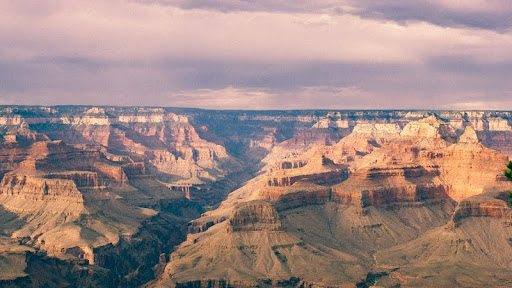
Morning light over the Grand Canyon reveals layers of ancient rock and vast, breathtaking silence
Planning a trip to the Grand Canyon? You’re not alone. Every year, over 4 million people make their way to one of America’s most iconic natural wonders. But here’s the thing: your experience can be totally different depending on when you go.
If you’re aiming for ideal weather and fewer people, timing is everything. So, when is the best time to visit the Grand Canyon without roasting in the heat or elbowing through crowds at every viewpoint?
Let’s break it all down.
Why does timing matter when visiting the Grand Canyon?
In short? Weather and crowds can either make or break your trip. The Grand Canyon is stunning year-round, but it’s also massive, remote, and can get extreme, blistering summers, snowy winters, and packed trails in between.
Choosing the right season helps you:
- Stay comfortable while hiking or exploring
- Avoid long lines, traffic jams, and full parking lots
- Score better lodging and permit availability
- Actually enjoy the peace and scale of the canyon
Sounds like a plan? Let’s figure out when you should go.
What’s the difference between the South Rim and the North Rim?
South Rim = open all year, more accessible, better infrastructure. North Rim = higher elevation, cooler temps, fewer tourists, closed in winter.
If it’s your first visit, the South Rim is probably your best bet. It has more viewpoints, easier access, and year-round services. But if you’re looking for solitude and don’t mind limited access, the North Rim might be calling your name.
Pro tip: The North Rim is closed from mid-October to mid-May due to snow. So that’ll help you narrow down your timing fast.
What’s the Grand Canyon like in spring (March to May)?
Spring is one of the best times to visit. Why? The weather starts to warm up, flowers bloom, and crowds haven’t hit full steam yet.
- Temps: Highs in the 60s–70s (South Rim); cooler on the North Rim
- Crowds: Moderate, Easter and spring break weeks are busier
- Conditions: Some snow may linger, especially early in the season
If you want great weather without the summer chaos, spring hits that sweet spot. Just be ready for some unpredictable days, especially in March. Layers are your friend.
What’s summer like at the Grand Canyon (June to August)?
Let’s be real, summer is peak tourist season. It’s when most families travel, and schools are out. That means crowds, high prices, and often, scorching heat.
- Temps: South Rim can hit the 80s–90s; the canyon floor can climb past 100°F
- Crowds: Very high; parking lots fill early, and shuttle lines get long
- Conditions: Afternoon thunderstorms are common in July and August
If summer is your only option, try going early in the morning or later in the evening. And drink water, lots of it. Heat-related illnesses are a serious issue in the canyon during this time.
Is fall a good time to visit the Grand Canyon (September to November)?
Absolutely. Fall might just be the best time to visit the Grand Canyon overall. It offers that perfect mix of cooler weather and smaller crowds.
- Temps: Highs in the 60s–70s early on, dipping as winter nears
- Crowds: Thinning out after Labor Day, especially midweek
- Conditions: Clear skies, crisp air, colorful foliage in some spots
If you’re looking for comfort, photo-worthy lighting, and room to breathe, fall delivers. Just note that by mid-October, the North Rim begins to close for the season, so plan accordingly.
Can you visit the Grand Canyon in winter (December to February)?
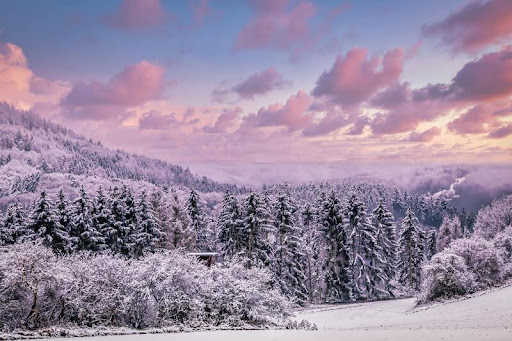
Yes, and it can be magical. Winter means snow-dusted views and near-empty trails. But it also means chilly temps and limited access.
- Temps: Highs in the 40s–50s at the South Rim; lows can drop below freezing
- Crowds: Very low; it’s the quietest time of year
- Conditions: North Rim is closed; snow and ice can affect driving and hiking
If you’re okay with bundling up and want a quieter, almost spiritual experience, winter is worth considering. Just check the weather forecast and road conditions before heading out.
What’s the best month to visit for ideal weather?
If you’re asking, “What month has the best weather at the Grand Canyon?”, go with May or September.
Here’s why:
- May has pleasant spring temps and longer days, without the summer surge.
- September brings clear skies, warm (but not hot) days, and fewer tourists.
Both months offer that just-right feel, great for hiking, sightseeing, and avoiding extremes.
When are the crowds the lowest at the Grand Canyon?
January and February are the quietest months overall. But if you prefer mild weather and still want elbow room, go for the shoulder seasons:
- Late March to early May
- Mid-September to early November
Avoid major holidays and long weekends (like Memorial Day or Labor Day), as those tend to bring in swarms of tourists, even during off-seasons.
Looking for peace and quiet? Try visiting midweek instead of weekends.
How can I avoid crowds and still get good weather?
Here’s the trick: aim for mid-spring or early fall, and get an early start.
- Arrive before 9 a.m. to beat the rush
- Explore lesser-known viewpoints off the main route
- Book park lodging or nearby stays early to avoid competition
- Use the park shuttle system to skip parking stress
And don’t forget: weather at the Grand Canyon can change fast, especially in higher elevations. Always check forecasts and bring layers, even in summer.
What’s the best time of day to explore the Grand Canyon?
If you want the best lighting, coolest temps, and smaller crowds, go early in the morning or right before sunset.
- Sunrise: Less crowded, soft light, cooler temps
- Sunset: Gorgeous views, more people, but still worth it
Midday is usually the hottest and most crowded, plus, the lighting is harsh for photos. Want a peaceful hike or some alone time with the views? Set that alarm clock and go early.
Best time to hike in the Grand Canyon?
If hiking is your goal, aim for April, May, September, or October. These months give you manageable temperatures and trail access without the sweltering heat.
Avoid hiking the inner canyon in the summer unless you’re extremely prepared; it can be dangerously hot down there. Even in spring and fall, start early, wear sun protection, and bring plenty of water.
Quick tips for planning your trip
- Book ahead. Lodging inside the park fills up months in advance.
- Dress in layers. The temperature swing between morning and afternoon can be big.
- Bring sun protection. Even in spring or fall, that Arizona sun is strong.
- Stay hydrated. Altitude and dry air will sneak up on you.
- Download offline maps. Cell service is spotty inside the park.
FAQ: Grand Canyon Travel Questions
What is the best time to visit the Grand Canyon to avoid crowds? Late fall and winter (November to February) are the least crowded times to visit.
When is the weather best at the Grand Canyon? May and September offer the most comfortable weather for outdoor activities.
Is the North Rim open year-round? No. The North Rim typically closes mid-October and reopens in mid-May due to snow.
Are summer visits to the Grand Canyon safe? Yes, but be cautious of extreme heat, especially when hiking. Start early and bring lots of water.
How many days do I need to visit the Grand Canyon? Most visitors spend 1–2 days, but 3–4 days allow time for hikes, viewpoints, and relaxation.
Final thoughts: What’s the best time to visit for you?
There’s no one-size-fits-all answer. The best time to visit the Grand Canyon really depends on what you’re looking for.
- Want mild weather and manageable crowds?
- Go in May or September.
- Hoping for solitude and snow-dusted views? January or February could be perfect.
- Need to bring the family during summer break? Plan ahead, start early, and stay cool.
No matter when you go, the Grand Canyon will blow your mind. But with a little planning, you can make sure it’s not blowing dust in your face while you’re stuck behind a busload of tourists.
Thinking about a trip soon? Grab a map, check the forecast, and start planning your ideal time to visit. Got a question or travel tip to share? Drop it in the comments below, we’d love to hear from you.
About the Author