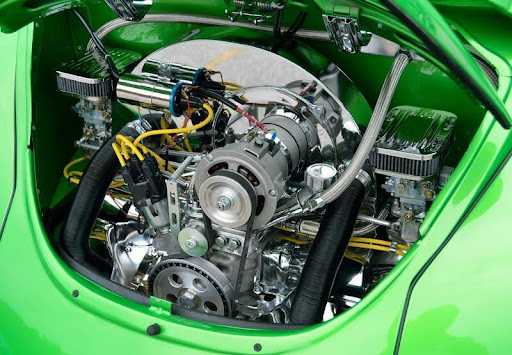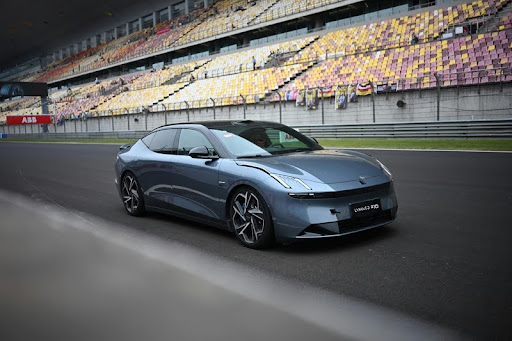
Pushing limits without emissions—electric racing brings high-speed thrills to the modern track.
Electric vehicles are transforming our everyday travels, and they’re also revolutionizing motorsports. If you’ve ever questioned whether electric racing could genuinely evoke the thrill of conventional races, you’re not on your own. From adrenaline-pumping speeds to environmentally friendly engineering, this rapidly expanding sport is creating a buzz throughout the U.S.
Let’s delve into how electric racing, like Formula E and others, is carving out a place in the American motorsports landscape.
What exactly is electric car racing, and how does it function?
Electric car racing is precisely what it implies: competitive racing using vehicles powered by electricity. However, it encompasses more than just quiet motors and clean energy. These competitions feature high-performance electric vehicles (EVs) that boast rapid acceleration, sharp turns, and advanced technology.
In contrast to traditional gasoline-powered racing, electric racing prioritizes energy efficiency, battery management, and immediate data analysis. Competitors must be highly skilled, sometimes even more so, because balancing battery preservation while aiming for maximum speed introduces an entirely different layer of strategy.
So indeed, it’s fast. Indeed, it’s competitive. And absolutely, it’s the future.
What is Formula E, and why is it significant?
Formula E represents the first major all-electric international racing series. Consider it the electric vehicle equivalent of Formula 1. It was initiated to advocate for sustainable transportation and is designed to highlight electric performance in urban centers worldwide.
In the U.S., Formula E is gradually attracting a following due to its distinctive race format. Shorter circuits, timed events, and tracks located in city centers make it both approachable and exhilarating. Additionally, features like “Attack Mode” (which allows drivers a temporary power boost) and fan voting for “Fanboost” are tailored for a generation accustomed to video games and online streaming.
While it may lack the growl of a traditional combustion engine, it delivers its own form of energy, both literally and metaphorically.
Why is electric racing gaining traction in the U.S.?
Several factors contribute to this trend. Firstly, there has been a notable increase in interest in electric vehicles nationwide. From Teslas cruising on highways to EV charging stations appearing in retail areas, Americans are becoming more receptive to battery-powered cars. Racing is following suit.
Secondly, younger audiences are seeking sports that resonate with their principles. Sustainability is important to them. A sport that minimizes emissions and supports clean energy?
That strikes a chord.
Let’s be real, we’re all about innovation. Observing streamlined, quiet vehicles zip through city streets feels like catching a glimpse of the future. Electric racing hits that perfect mix of cutting-edge tech and thrilling speed.
What other electric car racing events exist outside of Formula E?
While Formula E is the most prominent, it’s not the only option available. Other electric racing formats are gaining traction, introducing different styles and types of vehicles.
We’re referring to electric off-road races, experimental circuit competitions, and even organized racing for electric motorcycles. These events are pushing the boundaries of what electric vehicles are capable of, from rugged landscapes to high-speed drag racing.
This variety helps electric racing attract a broader audience. Whether your passion lies in street racing, endurance challenges, or stunt-filled shows, there’s an electric alternative emerging.
How is technology fueling the growth of electric motorsports?
Technology is central to this evolution. Racing has historically tested engineering limits, and electric racing continues that tradition.
Improvements in battery technology are notable, including quicker charging, extended range, and enhanced cooling systems. Software is increasingly crucial, with teams leveraging real-time data to optimize performance. Features like regenerative braking, which recovers energy when slowing down, introduce a tactical element.
And here’s the surprising part: the innovations developed on the racetrack often make their way into the vehicles we drive every day. Electric racing serves as a fast-paced testing ground for future electric vehicles.
What is the environmental effect of electric racing?
Let’s discuss emissions. One of the primary advantages of electric racing is its reduced carbon footprint. No gasoline, zero exhaust emissions, and frequently, these events are complemented by renewable energy initiatives.
This sport is also encouraging the entire racing industry to adopt more sustainable practices. Eco-friendly materials, green logistics, and smarter energy consumption are increasingly becoming part of the conversation. While it isn’t flawless, it represents progress toward a cleaner future.
Additionally, cities that host electric races frequently see improvements in infrastructure and heightened awareness regarding clean transportation.
What obstacles does electric racing encounter in the U.S.?
It’s not entirely a smooth journey. Electric racing still faces several significant challenges.
Battery constraints are a major issue. Despite advancements, electric vehicles are still struggling to match the range or peak speeds of traditional gas-powered vehicles during extended races.
Charging duration can also hinder progress.
Then there’s the perspective of fans. Some racing enthusiasts yearn for the noise, aroma, and sensations of conventional motorsports. Gaining their support will require time.
Lastly, there’s infrastructure. Hosting electric racing events necessitates adequate power sources, charging stations, and proper urban planning. Not every venue is equipped just yet.
What does the future hold for electric racing in the U.S.?
The future appears to be rapid, intelligent, and somewhat quieter.
Anticipate more competitions in prominent U.S. cities, increased engagement from tech firms, and the emergence of new racing leagues designed for American spectators. As technology advances and EVs become more popular, electric racing is set to expand alongside it.
We might even witness hybrid events featuring both electric and gasoline-powered vehicles competing in novel formats.
It’s an ongoing evolution, but it’s progressing swiftly.
Final Thoughts: Is electric racing a permanent fixture?
All indications suggest yes. As long as innovation persists and audiences remain intrigued, electric motorsports will continue to develop.
It may differ from the racing experiences of past fans, but that’s part of its charm. It’s a reimagined version of racing, more eco-friendly, smarter, and just as exhilarating.
If you haven’t attended a race yet, now might be the perfect opportunity. The future of speed is electric.
FAQ: Electric Car Racing in the U.S.
What is Formula E racing? Formula E is a completely electric racing series featuring high-performance EVs on urban circuits, emphasizing sustainability and innovation.
Is electric car racing genuinely thrilling to watch? Absolutely! While it might be quieter, it introduces unique strategies, high-speed excitement, and fan engagement features that make it captivating.
Are electric cars more environmentally friendly? Generally, yes. They lower emissions and are frequently supported by sustainable practices, though they still carry some environmental impact.
Will electric racing take the place of traditional motorsports? Not entirely, but it will likely coexist with them and continue to expand as technology progresses and fan communities grow.
About the Author