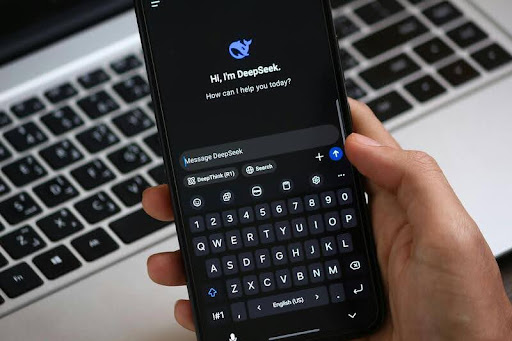
Exploring the future of AI, one tap at a time with DeepSeek.
AI-powered virtual assistants aren’t just voice on your phone anymore, they’re becoming smarter, faster, and surprisingly good at handling more of your life. If you’ve ever asked a device to set a reminder, find an answer, or even write something for you, you’ve already taken part in this tech shift.
But where is all this headed? And more importantly, how will it change the way we live and work? Let’s break it down.
What Exactly Are AI-Powered Virtual Assistants?
AI-powered virtual assistants are software tools that use artificial intelligence, think natural language processing (NLP), machine learning (ML), and voice recognition, to understand commands, answer questions, and complete tasks for you.
They’re designed to feel like you’re interacting with another person, but instead of chatting with a friend, you’re talking to a highly trained algorithm that can pull up weather updates, schedule meetings, or help with research in seconds.
How Do AI Virtual Assistants Work Right Now?
Today’s assistants operate by:
- Listening or Reading Your Input – Whether it’s a spoken command or typed question.
- Processing the Request – Using NLP to figure out the meaning.
- Pulling Relevant Data – Searching online databases or stored information.
- Responding in a Natural Way – Giving you a clear, usually human-like answer.
Right now, they’re great for simple tasks, checking the time, sending quick messages, and retrieving facts. But when you push beyond basic queries, the cracks start to show. They can misunderstand context, mix up instructions, or struggle with nuanced conversations.
What Trends Will Shape the Future of AI Assistants?
The future looks far more capable. Here’s what’s brewing:
1. Smarter Language Understanding
Instead of just catching keywords, assistants will truly grasp meaning, tone, and context. This means fewer frustrating “That’s not what I meant” moments.
2. Multimodal Interaction
Voice commands will meet visual cues. You might point at something on a screen or hold up a document for your assistant to “see” and respond to instantly.
3. Deep Integration With Everything
From your fridge to your car, more devices will sync with your assistant, letting it handle household, work, and personal tasks seamlessly.
4. Hyper-Personalization
Assistants will adapt to your preferences, habits, and even mood. Imagine it automatically adjusting your schedule when it senses you’re stressed or tired.
How Will AI Assistants Improve Everyday Life?
The potential benefits are huge:
- Saving Time – Automating repetitive tasks like scheduling and email sorting.
- Better Decision-Making – Offering context-aware suggestions based on your goals.
- Accessibility Boost – Helping people with disabilities navigate technology more easily.
- Language Support – Translating in real time for multilingual conversations.
For many people in the U.S., this could mean less time on screens and more time on meaningful activities.
What Are the Privacy and Ethics Concerns?
With great tech comes… a need for great caution.
- Data Privacy – Assistants need data to improve, but that means storing sensitive info.
- Consent Issues – Making sure users fully understand what’s collected and how it’s used.
- Bias in AI – Avoiding stereotypes and unfair recommendations baked into algorithms.
If companies don’t handle these issues well, public trust could take a hit.
Will AI Replace Human Work or Work With Us?
The short answer? They’re more likely to work with us than replace us, at least shortly.
Instead of taking over all jobs, AI assistants will handle the repetitive, low-value tasks so humans can focus on creativity, strategy, and personal interaction. Think of them as highly capable digital teammates rather than competitors.
When Will AI Assistants Reach Their Full Potential?
Experts predict major leaps in the next 5–10 years. By then, AI assistants could:
- Understand emotions with near-human accuracy.
- Handle multi-step projects without constant supervision.
- Learn entirely new skills without being explicitly programmed.
The key is balancing rapid innovation with careful, responsible development.
How Can You Prepare for the Future of AI Assistants?
You don’t need to be a tech expert, just stay curious and adaptable:
- Get Comfortable Using Current Tools – The more you use them, the more you’ll spot their strengths and weaknesses.
- Stay Informed About Privacy Settings – Always know what you’re agreeing to.
- Think in Terms of Collaboration – View assistants as partners, not threats.
Final Thoughts
The future of AI-powered virtual assistants isn’t about replacing humans; it’s about amplifying what we can do. As they get smarter, more intuitive, and more deeply integrated into daily life, they could become as common as smartphones are today.
The question isn’t if they’ll shape our routines, it’s how fast we’ll adapt when they do.
FAQ: AI-Powered Virtual Assistants
Q: Will AI virtual assistants ever think like humans? A: They can simulate human-like conversation and reasoning, but they won’t have consciousness or emotions, at least with the current understanding of AI.
Q: Are AI assistants safe to use? A: Generally, yes, but safety depends on privacy practices, security measures, and how carefully you share personal data.
Q: Can AI assistants learn new skills over time? A: Yes. Modern AI can learn from interactions, and future versions will adapt faster and more accurately.
Q: What’s the biggest barrier to better AI assistants? A: Balancing powerful personalization with strong privacy protection remains the top challenge.
About the Author




