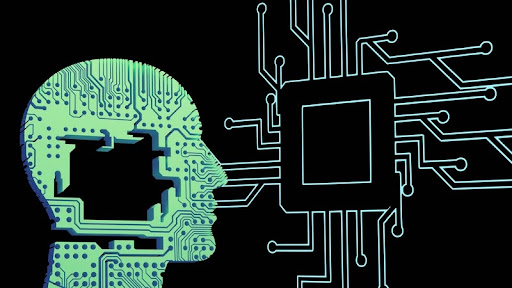
The algorithms at work—where numbers turn into predictions about you.
We like to think we’re pretty self-aware. We know what we like, what we don’t, and how we’ll react in most situations, right? But there’s a quiet, invisible force out there that might actually know you even better than you know yourself. It’s not psychic. It’s not magic. It’s math.
Before you roll your eyes, we’re not talking about dusty equations from your high school algebra class. We’re talking about complex algorithms, machine learning models, and data patterns that can predict your choices before you even make them. Creepy? Fascinating? A little of both.
Let’s break it down.
What Does “Math” Really Mean Here?
When we say “math” in this context, we’re talking about algorithms, sets of instructions for computers to follow, and the statistical models that help them make sense of data. It’s also about machine learning, where systems improve themselves over time as they’re exposed to more information.
This isn’t simple addition and subtraction. Think of it as pattern hunting at scale. An algorithm can sift through millions of data points in seconds, spotting relationships and trends you’d never notice on your own. That’s why it can feel like these systems know you on a deeper level.
SEO keywords to note here: what is an algorithm, how algorithms work, predictive models explained.
How Does This “Math” Learn About You?
It starts with data collection, lots of it. Every click, search, and swipe leaves a little breadcrumb behind. Over time, these breadcrumbs form a trail that tells a story about your habits, preferences, and routines.
That data doesn’t just sit in a database. It’s cleaned, sorted, and structured so it’s easier for algorithms to understand. Then comes the analysis, where patterns emerge.
The more data you provide, the clearer the picture gets. If you’re wondering, “Does this mean it knows my future choices?”, well, sort of. It’s not predicting the future in the mystical sense, but it’s making educated guesses based on what you’ve done before and how similar people have behaved.
How Do Algorithms Predict What You’ll Do Next?
Here’s the short version:
- They’re “trained” on massive datasets.
- They look for statistical relationships between variables.
- They refine their guesses as more data comes in.
For example, if you tend to choose similar options under certain conditions, the algorithm learns that pattern. The next time it spots those conditions, it predicts your likely choice.
The real magic happens in the refinement stage. These systems don’t stay static, they adapt. That’s why their predictions can feel eerily accurate over time.
Why Can This Math Sometimes Know You Better Than You Know Yourself?
Humans are emotional and sometimes inconsistent. We might think we’ll make a certain choice, but in the moment, we act differently. Algorithms, on the other hand, are focused on probabilities, not feelings.
They’re not clouded by bias or memory gaps the way we are. If the math says you’re 87% likely to prefer one option over another, it’s based on concrete patterns, not a hunch.
And sometimes, those patterns reveal truths we’re not fully aware of ourselves, like subtle preferences we’ve never consciously noticed.
Is Algorithmic Accuracy Always Perfect?
Not at all. Even the best models can be wrong.
Predictions are just that, predictions. They’re educated guesses based on probability. Sometimes the data is incomplete. Sometimes human behavior shifts in ways that don’t fit past patterns. And sometimes, the math misreads the context entirely.
Still, when accuracy rates climb above 90% for certain types of predictions, it’s easy to see why people start trusting the math more than their gut.
What About Privacy?
This is where things get tricky. The same math that can deliver helpful, personalized insights can also cross the line into invasive territory if not handled carefully.
Privacy concerns boil down to a few key questions:
- Who has access to your data?
- How is it being used?
- Can you control or delete it?
Without clear rules and transparency, predictive algorithms can become tools for manipulation rather than empowerment. That’s why privacy laws, data ethics, and user consent are hot topics in tech policy today.
How Will Predictive Algorithms Evolve in the Future?
We’re heading toward more personalized, real-time predictions. Think of it as algorithms that not only understand your long-term habits but also adapt to your immediate mood or context.
Advances in machine learning mean these systems will continue to get faster, more accurate, and more embedded in daily life. But that also raises new challenges around bias, transparency, and control.
The future will likely involve a balance, leveraging the benefits of hyper-personalization without giving up too much privacy or autonomy.
So, Should You Trust the Math?
That depends on your comfort level. Trusting algorithms blindly isn’t wise. But dismissing them entirely means missing out on valuable insights.
A healthy approach is to see predictive math as a tool, not a crystal ball. Use it to make smarter choices, but keep asking questions about how it works and where the data comes from.
Because at the end of the day, the most important voice in your decision-making should still be yours.
Key Takeaways
The “math” that seems to know you is made up of algorithms and predictive models trained on data.
These systems spot patterns and make educated guesses about your preferences and behavior.
Accuracy can be impressive, but predictions aren’t flawless.
Privacy and ethical use of data are critical considerations.
The future will bring even more personalized predictions—along with debates about control and transparency.
FAQs
Q1: What kind of math is used to predict behavior? A: Predictive algorithms use statistics, probability, and machine learning models to analyze patterns in data and make forecasts about behavior.
Q2: How accurate are these predictions? A: Accuracy varies depending on the model, the amount of data, and the type of prediction. Some can exceed 90% accuracy in specific contexts.
Q3: Can I stop algorithms from collecting my data? A: In many cases, yes, through privacy settings, opt-outs, or limiting what you share. However, some data collection happens automatically in the background.
Q4: Are algorithms biased? A: They can be, especially if the data they’re trained on is biased. That’s why responsible development and auditing are essential.
Q5: What’s the future of predictive algorithms? A: Expect more personalized, context-aware systems that adapt in real time, raising both exciting possibilities and new ethical questions.
About the Author