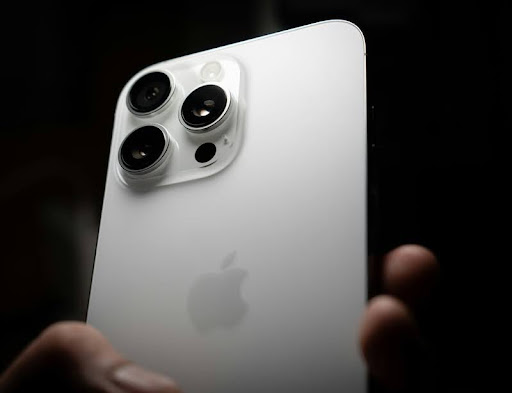
A sleek look at Apple’s design language—clean, minimal, unmistakably iPhone.
The metaverse has been one of those buzzwords that promises the future but often feels a bit fuzzy in the present. Now, Apple has stepped into the arena with its Vision Pro headset, and suddenly, everyone’s asking: Is the metaverse finally useful? Or is it just another fancy gadget with big ideas but little everyday payoff?
Let’s dive in and break down what the Apple Vision Pro means for the metaverse and, more importantly, what it could mean for you.
What Exactly Is Apple Vision Pro?
First off, what is this device? Apple Vision Pro is a mixed reality headset designed to blend the digital world with the real one. Unlike traditional virtual reality (VR) headsets that shut you off from your surroundings, Vision Pro uses advanced sensors and cameras to overlay digital content onto the real world. Think of it as a super-powered pair of smart glasses, but much more immersive.
It’s packed with top-notch tech: ultra-high-resolution displays, eye tracking, hand gestures, and spatial audio. Apple’s aiming for seamless interaction, no clunky controllers or complicated setups. You look, tap, or swipe in the air, and it responds. Plus, it’s designed to fit right into Apple’s ecosystem, connecting smoothly with your iPhone, Mac, and iPad.
Why Has the Metaverse Felt So Unclear Until Now?
The metaverse has been hyped as the next big thing for years. But if you’re honest, it’s been tough to explain what the metaverse is or why it matters. Many people think of it as just a gaming space or a futuristic playground where people wear headsets and hang out virtually.
The problem? The technology hasn’t been accessible or practical enough for daily life. Many VR and AR gadgets have been expensive, uncomfortable, or limited to niche uses like gaming or simple virtual meetings. This left a lot of folks wondering: Is this just tech for tech’s sake?
How Is Apple Changing the Mixed Reality Game?
Apple’s approach with Vision Pro feels different. Instead of pitching it only as a gaming or entertainment device, Apple is pushing spatial computing, a way to use 3D digital objects in your physical space to boost productivity, creativity, and communication.
Imagine working on a giant virtual screen that floats in front of you, or having a FaceTime call where the person appears as a life-size image in your room. Apple focuses on making these experiences intuitive, natural, and useful.
This is not merely about fleeing from reality; it’s about enhancing the life you currently lead.
Is the Metaverse Truly Beneficial at This Stage?
The key question remains: Does Vision Pro render the metaverse beneficial? In short, it’s a move in the right direction, but it isn’t fully accessible to everyone yet.
The device enhances accessibility by alleviating some previous difficulties, the absence of bulky controllers, improved visuals, and seamless integration with familiar tools. This opens up possibilities for genuine productivity enhancements, particularly for professionals and creatives seeking more adaptable digital work environments.
However, for the average user? Its usefulness relies heavily on your intended usage. If you’re interested in immersive gaming or informal social gatherings, the device shows potential, yet comes at a high price. Conversely, if you’re seeking innovative ways to communicate, collaborate, or consume media without constantly switching screens, Vision Pro could revolutionize those experiences.
What Are the Major Challenges Associated with Apple Vision Pro?
No device is flawless. The steep price of Vision Pro makes it unaffordable for many casual consumers at the moment, which hampers its potential to become a widespread tool quickly.
Comfort is also a significant consideration. Wearing any headset for extended periods can become uncomfortable, and while Apple has designed Vision Pro to be lightweight and customizable, some individuals may still perceive it as cumbersome compared to standard glasses or monitors.
Concerns surrounding privacy and data security also arise. The device gathers eye movements, voice commands, and spatial data, which prompts inquiries about how this information is managed and utilized. Apple has a commendable reputation regarding privacy, but users will want to remain vigilant.
Who Is the Intended Audience for Apple Vision Pro?
Considering its features and cost, Apple Vision Pro is chiefly designed for professionals, creators, and early adopters who can rationalize the expenditure. This includes individuals like designers, architects, developers, or media producers who could gain from spatial computing along with expansive virtual workspaces.
That said, it might eventually attract educators and enterprises seeking innovative training or collaboration methods. For everyday users, those simply looking to watch movies or scroll through social media, it remains more of a luxury than a necessity at this point.
What Lies Ahead for the Metaverse and Mixed Reality?
Apple Vision Pro isn’t the conclusion, it resembles the introductory act in a lengthy performance. As the hardware advances, prices decrease, and developers create more functional applications, the metaverse has the potential to transition from a visionary concept to something practical for daily life. In the meantime, it’s worth watching how Apple and other tech giants push this space forward. The Vision Pro might just be the catalyst needed to bring mixed reality from niche novelty into real-world utility.
FAQ: What People Ask About Apple Vision Pro and the Metaverse
Q: How is Apple Vision Pro different from other VR headsets?
A: It blends digital content with the real world (mixed reality) rather than blocking it out. It uses eye tracking and hand gestures for natural control without controllers.
Q: Can Apple Vision Pro be used for gaming?
A: Yes, but gaming is only one part of its potential. It’s also designed for work, communication, and media consumption.
Q: Is the Vision Pro affordable for most people?
A: Currently, no. Its high price makes it more suited for professionals and early adopters.
Q: Will the Vision Pro improve everyday productivity?
A: It has potential, especially for multitasking with virtual screens and immersive collaboration.
Q: How does Apple address privacy with Vision Pro?
A: Apple emphasizes on-device processing and data security, but users should stay informed on updates and policies.
Ready to Explore the Future?
Curious to see if the metaverse can fit into your life? Keep an eye on Apple Vision Pro and similar devices. As this tech matures, your next big productivity boost or new way to connect might just come through mixed reality.
About the Author