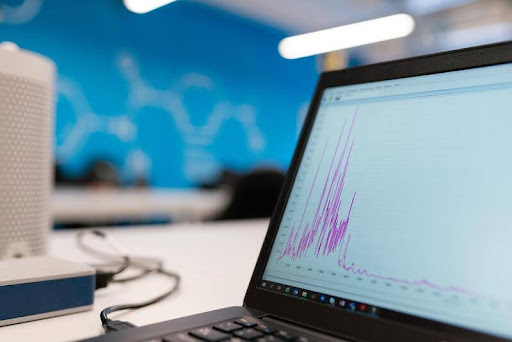
Turning numbers into insight—how data shapes smarter marketing decisions.
How to Use Data the Right Way to Boost Your Marketing Strategy
Marketing isn’t what it used to be, and that’s a good thing.
In today’s digital-first world, guessing games and gut feelings just don’t cut it. Whether you’re running a small business or working on a marketing team at a big brand, one thing’s clear: data is your most powerful ally.
But how exactly does data analytics help you make smarter marketing decisions? What kinds of data should you pay attention to? And how can you avoid getting lost in all those charts and dashboards?
Let’s break it down.
What Is Data Analytics in Marketing?
Data analytics in marketing is all about collecting, analyzing, and interpreting numbers to make informed decisions. It helps marketers understand what’s working, what’s not, and where they can improve.
Instead of just creating a campaign and hoping it performs, analytics lets you track performance in real-time. You can see how many people clicked, who bought something, which ad pulled them in, and even how long they stuck around on your site.
In short? It’s the difference between shooting in the dark and hitting the bullseye.
Why Is Marketing Analytics So Important Today?
Because attention is limited, and competition is fierce.
Every brand is fighting for space in a crowded digital world. If you’re not using data to guide your moves, you’re falling behind. According to a 2024 report by Deloitte, 67% of U.S. marketers say data analytics has significantly improved their campaign effectiveness.
It’s not just a “nice-to-have.” It’s essential.
What Are the Benefits of Using Data in Marketing?
Let’s get right to the good stuff. Here’s why data is marketing gold:
1. Smarter Targeting
Want to reach people who actually care about your product? Analytics helps you zero in on the right audience based on demographics, behavior, and past interactions.
2. Better Personalization
People expect tailored experiences. Data helps you deliver emails, ads, and content that feel like they were made just for them.
3. More Efficient Budgeting
Analytics shows you which channels bring the most value. No more wasting money on platforms that don’t perform.
4. Clearer Performance Tracking
From email open rates to ad conversions, you’ll always know how your efforts are paying off.
How Does Data-Driven Decision-Making Work in Marketing?
Here’s the simple version: you collect data, analyze it, and use what you learn to guide your next move.
Maybe your email campaign had a 40% open rate, great! But if only 2% of readers clicked through, that’s a red flag. Maybe the call-to-action wasn’t clear. Maybe the link was buried too far down.
With data, you’re not guessing. You’re responding to real behavior in real time. That lets you tweak, improve, and pivot quickly, before you waste more time or money.
What Are the Most Important Marketing Metrics to Track?
If you’re wondering, “Which marketing analytics should I actually pay attention to?”, you’re not alone.
Here’s a breakdown of some of the key metrics marketers track:
Traffic Sources
Where are your visitors coming from: Google search, social media, or email? This tells you where your efforts are working.
Conversion Rates
Are people taking the action you want them to, like signing up, buying, or downloading? That’s your conversion rate.
Click-Through Rate (CTR)
How many people are clicking on your links or ads? A low CTR could mean your message isn’t connecting.
Bounce Rate
Are people leaving your site right after they arrive? This might point to weak landing pages or irrelevant traffic.
Cost-Per-Acquisition (CPA)
How much are you spending to get a new lead or customer? Lower is better.
Return on Investment (ROI)
In the end, is the money you’re putting into marketing paying off? ROI keeps you honest.
What Are the Best Tools for Marketing Data Analytics?
You don’t need fancy software to get started, but the right tools can make your life way easier.
Some of the most popular types of tools include:
- Website analytics platforms (like Google Analytics)
- Customer Relationship Management (CRM) systems
- Email and automation dashboards
- Social media analytics tools
- Data visualization platforms
When choosing tools, look for ones that integrate well, offer real-time data, and give you easy-to-understand dashboards. Trust us, if it feels like you need a PhD to read the report, it’s not the right fit.
What Are the Biggest Challenges With Marketing Analytics?
Let’s be real: using data isn’t always smooth sailing.
Here are a few bumps in the road you might hit, and how to get over them:
1. Too Much Data
More isn’t always better. Focus on the metrics that matter to your goals.
2. Vanity Metrics
Likes and follows look good, but do they lead to conversions? Always ask: “Does this number help me make a decision?”
3. Bad Data = Bad Decisions
If your data is inaccurate or outdated, your strategy can go off the rails. Regular audits help keep things clean.
4. Data Privacy Concerns
Make sure your data practices follow U.S. privacy regulations like the CCPA. Always prioritize transparency and user trust.
How Can You Create a Data-Driven Marketing Culture?
Data is only useful if your team actually uses it. So, how do you get everyone on board?
Start With Training
Not everyone’s a data nerd, and that’s okay. Offer training so people understand how to read basic reports and what actions to take.
Make It Part of the Workflow
Use data check-ins in weekly meetings. Keep dashboards visible. Celebrate wins that came from data-driven changes.
Set Clear Goals and KPIs
If your team knows what success looks like, it’s easier to spot when data says you’re off track.
So, Why Does Data Analytics Matter So Much in Marketing?
Because it puts you in control.
With the right data, you stop relying on guesswork. You make smart, timely decisions. You reach the right people with the right message. And you keep improving every step of the way.
At the end of the day, marketing is part art, part science, and analytics is what brings those two sides together.
Final Thoughts
The future of marketing is already here, and it’s driven by data. Whether you’re working on social media, email, content, or paid ads, there’s no reason to fly blind.
Use the tools. Follow the numbers. And most importantly, trust the insights.
You don’t need to be a data scientist to be data-savvy. You just need curiosity, clarity, and a good plan.
Quick FAQ: Data Analytics in Marketing
Q: What is data analytics in marketing? A: It’s the process of collecting and analyzing marketing data to make better decisions and improve campaign results.
Q: Why is marketing analytics important? A: It helps you understand your audience, optimize your budget, and increase ROI by using real performance data.
Q: What are the top marketing metrics to track? A: Traffic sources, conversion rates, ROI, CTR, bounce rate, and CPA are among the most valuable metrics.
Q: What tools should I use for marketing analytics? A: Tools like Google Analytics, CRMs, and marketing dashboards that offer clear, real-time reporting and integrations.
Q: How do I avoid data overload? A: Focus only on the metrics tied to your goals. Regularly audit what you track and simplify your dashboards.
About the Author




