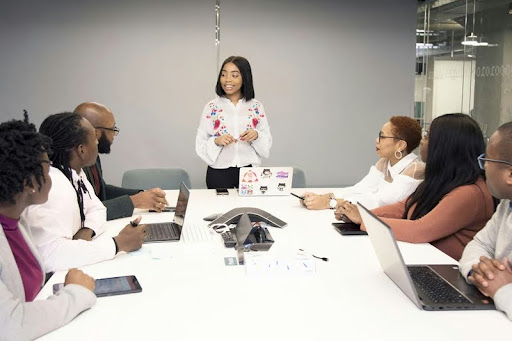
Inclusive leadership in action—modern teams thrive when every voice is heard.
Workplace diversity has come a long way over the years, but 2025 is shaping up to be a real turning point. Why? Because expectations are changing fast, and employees, especially younger ones, aren’t afraid to ask tough questions: Who gets included? Who still gets left out? And what does a truly inclusive workplace look like?
Let’s break down the top 10 workplace diversity trends U.S. companies are focusing on this year, and why they matter more than ever.
1. What is inclusive leadership, and why does it matter in 2025?
Inclusive leadership is about more than just hiring a diverse team. It means creating an environment where everyone feels heard, valued, and empowered. In 2025, companies are doubling down on developing leaders who lead with empathy, transparency, and fairness.
We’re seeing more businesses invest in leadership training that teaches managers how to navigate complex identity issues and support psychological safety at work. Why? Because leadership sets the tone. When leaders model inclusive behavior, it trickles down to the rest of the team.
2. How is the definition of diversity changing?
Spoiler alert: it’s way more than race and gender now. In 2025, companies are thinking bigger. Think neurodiversity, veteran status, immigration background, disability (visible and invisible), socioeconomic upbringing, and more.
This shift is helping teams become more well-rounded and better at solving problems because they reflect a wider range of life experiences. Employers who embrace this broader view are building stronger, more adaptable organizations.
3. Why are data and DEI metrics so important now?
Here’s the thing: what gets measured gets managed. In 2025, U.S. companies are using analytics to go beyond good intentions and track DEI outcomes.
From hiring stats to pay equity audits to employee satisfaction surveys broken down by demographic groups, data helps leaders see what’s working and what isn’t. It also keeps businesses accountable, both internally and externally.
4. How are hybrid and remote work impacting diversity and equity?
Remote work changed the game, but it also introduced new challenges. In 2025, companies are working to make sure their hybrid policies don’t accidentally sideline certain employees.
For example, are in-office workers getting more visibility and promotions? Are remote employees missing out on mentoring? Employers are now reassessing policies, communication tools, and performance reviews to make sure everyone, regardless of location, has a fair shot.
5. Why is accessibility a bigger deal than ever?
Accessibility isn’t just about wheelchair ramps anymore. In today’s digital-first world, it includes screen reader compatibility, captioning, and user-friendly platforms. In 2025, accessibility is front and center in the diversity conversation.
Companies are prioritizing accessible tech, redesigning websites and tools, and considering accessibility from the start of every project. The message is clear: if you’re not accessible, you’re not inclusive.
6. What is culturally competent communication, and why does it matter?
Miscommunication can easily happen when people from different backgrounds work together. That’s where culturally competent communication comes in.
In 2025, U.S. companies are training employees and managers alike to understand diverse communication styles, use inclusive language, and avoid microaggressions. This kind of training isn’t about walking on eggshells, it’s about building trust and making sure everyone feels respected.
7. Are employees driving DEI efforts from the ground up?
Absolutely. One of the biggest workplace diversity trends in 2025 is the rise of employee-led initiatives. We’re talking about resource groups, peer mentoring, employee-driven events, and grassroots training efforts.
Companies are seeing that when employees are involved in shaping the DEI strategy, it feels more authentic. Plus, it builds buy-in and creates safe spaces for honest conversations.
8. How are generational shifts changing workplace diversity?
Here’s the deal: younger workers expect action, not just promises. Gen Z employees want their workplaces to reflect their values, and they’re not afraid to call out performative behavior.
Meanwhile, older generations bring different perspectives and experiences to the table. The key trend in 2025? Creating space for intergenerational dialogue and understanding. Smart companies are offering mentorship in both directions and making sure diversity training speaks to all age groups.
9. What does supplier diversity mean, and why does it matter?
It’s not just about who you hire, it’s also about who you work with. In 2025, more U.S. businesses will evaluate their vendors, consultants, and suppliers through a diversity lens.
This means setting targets for working with minority-owned, women-owned, LGBTQ+-owned, and veteran-owned businesses.
It’s a way to extend DEI values beyond the office and into the broader economy
10. How are companies staying accountable with DEI goals?
Transparency is the name of the game. More companies are publicly sharing DEI reports, progress dashboards, and commitments, and they’re being judged on how well they follow through.
In 2025, stakeholders expect regular updates, honest self-assessments, and clear improvement plans. Accountability isn’t just a nice-to-have anymore, it’s a business imperative.
Final Thoughts: The Future of Workplace Diversity Is Now
Workplace diversity in 2025 is about moving from talk to action. U.S. companies are being asked to dig deeper, listen harder, and lead smarter. The good news? The tools, talent, and momentum are all there.
Whether you’re a business leader, HR pro, or just someone who wants to work in a more inclusive space, these trends give you a roadmap. Keep asking questions. Keep challenging assumptions. And most of all, stay engaged.
FAQ: Workplace Diversity Trends 2025
What is the biggest diversity trend in 2025? Inclusive leadership is one of the most significant trends, as companies focus on building leaders who model equity, empathy, and fairness.
How can companies improve DEI in remote work settings? By revisiting promotion policies, communication channels, and engagement strategies to ensure fairness across all work environments.
Why is employee-led DEI important? Because it creates more authentic initiatives, empowers staff, and ensures diverse voices are directly involved in shaping company culture.
What are some new areas of diversity that companies are focusing on? Neurodiversity, disability inclusion, socioeconomic background, and generational diversity are gaining more attention in 2025.
About the Author