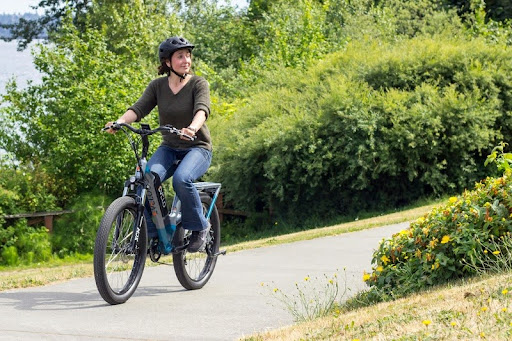
Urban commuting made easy—electric bikes offer a fast, fun, and eco-friendly way to navigate city life.
Thinking about switching up your commute or ditching your car for something greener, faster, and way more fun? You’re not alone. Electric bikes, aka e-bikes, are buzzing through U.S. cities faster than ever, offering a smart and stylish solution to daily transportation headaches.
But with so many options out there, how do you know which e-bike is right for your urban lifestyle? Whether you’re navigating pothole-filled streets, squeezing into tight apartment storage, or just want a sweat-free ride to work, this guide breaks down everything you need to know, no brand hype, just helpful info.
Why are electric bikes so popular in cities right now?
Because they just make sense. Urban riders are discovering that e-bikes combine the speed of a car with the flexibility of a bicycle, and none of the parking drama. According to the National Bicycle Dealers Association, e-bike sales in the U.S. topped 1.1 million units in 2023, with most purchases concentrated in urban areas.
City dwellers are jumping on the trend for three big reasons:
- Traffic sucks — E-bikes help you zip past gridlock with ease.
- Gas is expensive — A full battery charge can cost just pennies.
- Eco-conscious choices matter — Riding electrically significantly cuts your carbon footprint.
Oh, and let’s not forget: they’re fun. Like, fun.
What features should you look for in an electric bike for city riding?
Not all e-bikes are created equal, especially when it comes to life in the city. Before you click “add to cart,” keep an eye out for features that make daily urban riding smoother, safer, and less stressful.
Here’s a quick checklist:
🔋 Motor Type & Power
- For city use, a 250 to 500-watt motor is plenty.
- Hub motors (usually in the rear wheel) are common and low-maintenance.
- Mid-drive motors offer better balance and hill-climbing, but cost more.
⚡ Battery Range
- Look for a range of 30–50 miles per charge, depending on your commute.
- The average U.S. urban commute is under 10 miles round-trip, so most riders won’t need huge battery capacity unless you’re doing food delivery or long-distance errands.
🚲 Frame Design
- Step-through frames make stop-and-go traffic easier to manage.
- Compact or foldable designs are ideal for tight spaces or mixed commutes (such as bus-to-bike setups).
- Make sure the frame feels sturdy but not too heavy, you don’t want to wrestle it up the apartment stairs every day.
🛞 Tires & Suspension
- Wider tires (2.0 inches or more) help absorb shock from potholes and curbs.
- A basic front suspension fork can make a big difference in comfort.
⚖️ Weight & Portability
- Most e-bikes weigh 40–65 pounds. If you need to carry it upstairs, aim for the lighter end of the spectrum.
📱 Tech Features
- Backlit displays, pedal-assist levels, and even app controls are becoming standard.
- Some models include GPS tracking, anti-theft alerts, or smart locks.
🧯 Safety Equipment
- Front and rear integrated lights are a must.
- Look for hydraulic or mechanical disc brakes for strong, reliable stopping power in wet or busy conditions.
What types of e-bikes are best for urban riders?
Let’s break it down. Different bikes serve different lifestyles, even within the same city.
🚴♂️ Commuter E-Bikes
- Designed for daily rides with speed, comfort, and battery life in mind.
- Great for those who ride to work or school regularly.
🧳 Folding E-Bikes
- Perfect for apartment dwellers or public transit riders.
- Smaller wheels, lighter frames, and easy to stash under a desk or in a closet.
🛒 Cargo E-Bikes
- Made to haul stuff: groceries, gear, even kids.
- Often have longer frames, storage racks, and powerful motors.
🌆 Hybrid E-Bikes
- A little bit of everything: city-ready with a touch of trail toughness.
- Good for riders who want weekend adventure and weekday utility.
🏙️ Lightweight Urban E-Bikes
- Minimalist design, fewer features, and lower weight.
- Ideal if you’re just looking for an electric boost without the bells and whistles.
How do you choose the right e-bike for your city life?
This isn’t a one-size-fits-all situation. The “best” e-bike depends on your routine.
Ask yourself:
- How far do I ride daily? If your round-trip is under 10 miles, most battery ranges will be fine.
- Where will I store it? Small apartments or shared spaces may need compact or foldable frames.
- Will I ride in traffic or on bike paths? Prioritize safety features if you’re navigating busy streets.
- Do I need to carry stuff? Look into cargo options with racks or baskets.
- How much do I want to spend? Entry-level e-bikes start around $ 000, but higher-end models can run $ 000+. Know your budget and match it to your must-have features.
Pro tip: Think about future needs, too. That daily ride to work might one day become your favorite weekend hobby.
What’s the best way to take care of an e-bike in the city?
Good news: e-bikes aren’t high-maintenance. But a little upkeep goes a long way.
Here’s how to keep your ride running smoothly:
- Charge the battery regularly. Don’t let it drain completely. Top it off every few days if you ride often.
- Keep tires inflated. City streets can be rough, and low pressure makes rides bumpier (and more dangerous).
- Wipe down your bike. Rain, grime, and road salt can gunk things up.
- Check brakes and chain monthly. A quick tune-up at a local shop can prevent bigger problems later.
Store your bike indoors or use a heavy-duty lock if you leave it outside. Theft is a reality in many cities, so don’t skimp on security.
What laws should you know before riding an e-bike in U.S. cities?
E-bike rules vary from state to state, but here’s a quick crash course on what’s common across many parts of the U.S.:
🚦 E-Bike Classifications
- Class 1: Pedal-assist only, up to 20 mph.
- Class 2: Pedal-assist + throttle, also capped at 20 mph.
- Class 3: Pedal-assist only, up to 28 mph (helmet and age restrictions often apply).
🪖 Helmet Laws
- Some states require helmets for Class 3 bikes or riders under 18.
- Regardless of the law, it’s a smart idea to wear one. Safety first.
🚲 Where You Can Ride
- Many cities allow e-bikes on bike lanes and multi-use paths, especially for Class 1 and 2.
- Sidewalk riding is usually a no-go.
Check your local Department of Transportation website to stay updated on your city’s rules, it’s worth a 5-minute Google search.
Final Thoughts: Is an electric bike the right move for your city routine?
If you’re looking for a cleaner, faster, and more flexible way to get around. E-bikes are changing how Americans move through cities, and they’re only becoming more accessible and affordable.
But don’t rush your decision. Take time to figure out what kind of rider you are and what features you need. When you find the right fit, you’ll wonder why you didn’t make the switch sooner.
Looking to dive deeper? Explore local shops, try test rides, and talk to current e-bike owners in your area. There’s a whole community out there, and they’re happy to help.
FAQs: Electric Bikes for Urban Riders
Are electric bikes legal on the road in the U.S.?
Yes. Most cities allow Class 1 and 2 e-bikes on roads and bike lanes, but laws vary by state. Always check local regulations.
Do you need a license to ride an e-bike?
Nope, most e-bikes (Class 1 and 2) don’t require a license or registration in the U.S.
How fast can an e-bike go?
Class 1 and 2 bikes top out at 20 mph, while Class 3 bikes can hit 28 mph with pedal assist.
How long does an e-bike battery last?
Most batteries last 3–5 years with regular care. That’s roughly 500–1,000 charge cycles.
What’s the best e-bike for commuting in the city?
It depends on your needs, but look for one with reliable range, safety features, and good suspension for urban terrain.
About the Author