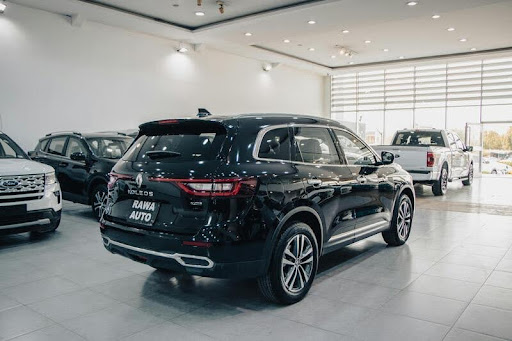
Shiny, sleek, and straight off the lot—today’s new cars are packed with tech and style.
So, you’re in the market for a car, but now comes the big question: Should you buy new or used?
In 2025, this decision isn’t as straightforward as it used to be. With car prices still climbing, tech evolving fast, and financing terms shifting, choosing the right vehicle has become more of a strategy game than a simple transaction.
Let’s walk through the pros and cons of both options so you can decide which one actually makes sense for your lifestyle, budget, and future plans. No pressure, just real talk.
What’s Cheaper in 2025, A New or Used Car?
Used cars usually win on price upfront, but the long-term math isn’t always so simple.
Right off the bat, used cars come with a lower sticker price. According to Kelley Blue Book, the average price of a new car in early 2025 is hovering around $ 48,000, while the average used car costs roughly $ 27,000. That’s a big difference. But don’t stop there, dig a little deeper.
Used vehicles have already taken the biggest depreciation hit, especially in the first few years. A new car can lose up to 20% of its value in just the first year. That means if you buy new, you’re losing money the minute you drive off the lot.
On the flip side, newer cars often come with better fuel efficiency and fewer immediate repairs, which could save you more in the long run. So, ask yourself: Do you need the lowest upfront cost, or the best overall value over several years?
Is Financing a Used Car Harder Than a New One?
Financing a new car is often easier, but not always cheaper.
Lenders generally prefer new cars. Why? Because they’re less risky. That means interest rates for new car loans tend to be lower, often 1 to 2 percentage points better than rates for used car loans.
But here’s the catch: Even with a lower interest rate, a new car loan is usually for a higher amount. So while the rate might be better, you might still pay more in interest over the life of the loan.
Also, loan terms on new cars tend to be longer, some stretching up to 84 months. That might make monthly payments feel manageable, but it also means you’re tied to a longer financial commitment. Used car loans are usually shorter, which means higher payments, but less total interest paid if you finish strong.
So, think about your budget and timeline. Are you looking for a lower monthly payment or a quicker payoff?
Which Costs More to Insure: Used or New?
Used cars are usually cheaper to insure.
Insurance companies base your premium on how much it would cost to repair or replace your vehicle. Since new cars are worth more, you’ll typically pay more to insure them. A used car, especially one that’s a few years old, is less expensive to fix or replace, which brings down your insurance cost.
Also, depending on your loan agreement, you might be required to carry full coverage on a new car, including collision and comprehensive. With an older car, especially one you own outright, you may be able to opt for liability-only coverage and save a few hundred bucks per year.
If you’re on the fence, try getting some quotes from a few insurers before making your final call. You might be surprised how much insurance tips the scales.
Do Used Cars Break Down More Often Than New Ones?
Used cars can require more maintenance, but it depends on age and mileage.
New cars come with that fresh-off-the-line reliability. They typically include manufacturer warranties that last three years or more. That means if something goes wrong, it’s probably covered.
Used cars, especially ones more than five years old, might start needing some TLC. Think brake jobs, new tires, maybe a battery or two. While these aren’t necessarily deal-breakers, they’re costs to consider.
That said, not every used car is a maintenance nightmare. If you’re buying from a dealer, you can often get a certified pre-owned (CPO) vehicle that’s been inspected and comes with a limited warranty. Even private sellers may have solid cars if they’ve kept up with maintenance.
Quick tip: Always check the vehicle history report. It can save you from buying someone else’s problem.
Do New Cars Have Better Tech and Safety Features?
Yes, and that can be a game-changer for some buyers.
Cars have gotten smart. In 2025, even base models will come packed with features like automatic emergency braking, lane assist, backup cameras, and full infotainment systems. If these features matter to you, especially for safety, convenience, or resale value, a new car might be worth the splurge.
Used cars that are just a few years old might still have decent tech, but it probably won’t be the latest. And updates? Not usually an option unless you’re buying an electric or connected model that gets over-the-air software upgrades.
If staying current with technology is important to you, a new car will deliver that fresh-out-of-the-box feeling, along with the latest bells and whistles.
How Fast Do Cars Depreciate in 2025?
New cars still depreciate faster, but some used models are holding value better than ever.
Here’s the truth: depreciation hits new cars hard. On average, a vehicle loses about 50% of its value in the first five years. That’s why buying used, especially a car that’s 2–3 years old, is often a smart move. You get a decent chunk of life left in the car, but someone else already ate the steepest depreciation costs.
Thanks to recent supply chain issues, some used models in 2025 are actually holding their value better than expected. Still, the pattern holds: the newer the car, the faster it loses value.
So if you’re worried about resale, consider something lightly used. It’s often the sweet spot.
Which Is More Eco-Friendly, Used or New Cars?
It depends on what you’re driving and how long you keep it.
Buying a used car keeps an existing vehicle on the road longer, which avoids the environmental cost of manufacturing a new one. That’s a win for sustainability.
But many new cars in 2025, especially hybrids and EVs, offer far better fuel efficiency and lower emissions than older gas-powered models. If you’re upgrading from a 10-year-old SUV to a new hybrid sedan, you’ll likely shrink your carbon footprint.
So if eco-friendliness matters to you, consider how the vehicle performs day to day, not just whether it’s new or used. And if you’re eyeing an EV, new models tend to have better battery range and charging times than earlier versions.
Are There Enough Cars to Choose From in 2025?
Inventory is better than it was, but used car availability is still tight.
In 2025, supply chain issues have eased, and new car inventory is rebounding. You’ll probably find what you’re looking for at most dealerships, though prices are still high due to demand.
Used cars, however, can be trickier. The pandemic years caused a drop in new car production, which means fewer quality used cars are hitting the market now. If you’re hunting for something specific, be ready to act fast—or expand your search radius.
Either way, it’s a good idea to shop around and check both dealer and private listings to compare prices, mileage, and condition.
How Do You Choose What’s Right for Your Lifestyle?
Start with how you actually use your car, then work back into the numbers.
Are you commuting 50 miles a day? Road-tripping on weekends? Just running errands around town? Your lifestyle plays a huge role in what kind of car makes sense.
If you’re driving a ton and want peace of mind, a new car with a warranty and modern safety features might be worth it.
If your mileage is low and your budget’s tight, a well-maintained used car could be the smarter play.
Also, think about how long you plan to keep the car. If it’s a short-term thing, avoiding depreciation by going used might make more sense. If it’s your “forever” car, maybe new is the way to go.
Bottom line: Think beyond the monthly payment. Think total value.
Final Thoughts: So, Is It Better to Buy a New or Used Car in 2025?
There’s no one-size-fits-all answer here. It all depends on your goals, your budget, and what kind of value you’re looking for.
- Want the latest tech and lowest interest rates? New might be right.
- Looking to save big upfront and avoid rapid depreciation? Used could be your winner.
- Prioritizing reliability and peace of mind? Consider certified pre-owned.
No matter what you decide, do your homework. Compare prices, check vehicle history reports, and shop around for financing and insurance. The smarter buy isn’t just about the car, it’s about how well it fits your life.
FAQ: Buying a Used vs. New Car in 2025
Q: What’s the biggest advantage of buying a used car in 2025? A: The biggest perk is saving money upfront and avoiding steep depreciation in the first few years.
Q: Are new cars still worth it in 2025 with high prices? A: Yes, if you value the latest safety tech, a full warranty, and lower financing rates.
Q: Is insurance cheaper for used cars? A: Typically, yes, because used cars cost less to replace and repair.
Q: What’s the best mileage range to look for in a used car? A: Aim for something between 30,000–60,000 miles if you want decent longevity without too much wear.
Q: Should I get a used EV in 2025? A: Possibly, but check the battery life and range. Newer EVs often have longer ranges and updated features.
About the Author