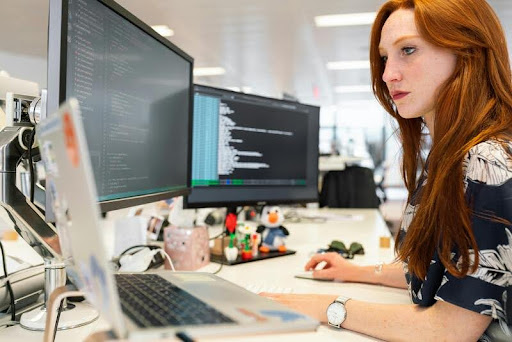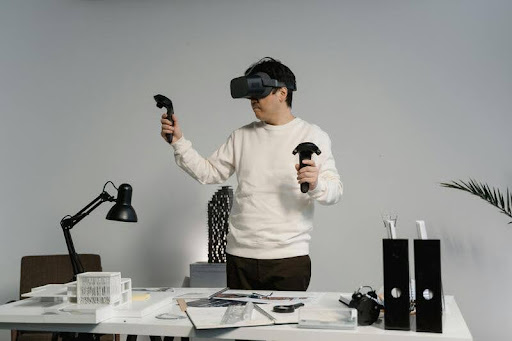
Blurring the line between physical and digital—VR becomes part of tomorrow’s workplace.
Let’s face it, work doesn’t look like it used to. Whether you’re clocking in from a home office or managing a team across time zones, things are shifting fast. But what’s behind all this change? One big driver is something you’ve probably heard buzzing around the tech world: Web4. Throw in concepts like hyper-automation and digital twins, and suddenly the future of work starts to sound more like science fiction.
Except… It’s not fiction at all.
This post breaks it all down, what these terms actually mean, how they work together, and most importantly, what it means for your job, your business, and your daily grind. So buckle up, we’re diving into a future that’s already knocking on the door.
What is Web4 and Why Should You Care?
Web4 is the next evolution of the internet. It’s all about decentralization, intelligence, and personalization. If Web2 gave us social media and e-commerce, and Web3 brought blockchain and digital ownership, Web4 is taking it a step further, making the web more intuitive, autonomous, and human-centered.
Think of it like this: the web isn’t just a tool anymore. It’s a smart, responsive ecosystem that adapts to your needs in real-time. That includes everything from your online work tools to how your company analyzes data and makes decisions.
So yeah, it’s kind of a big deal, especially when we talk about the future of work.
What Is Hyper-Automation and How Does It Actually Work?
Hyper-automation isn’t just a fancier word for automation. It’s more like automation 2.0.
While traditional automation handles repetitive tasks, like data entry or scheduling, hyper-automation uses AI, machine learning, robotic process automation (RPA), and other tools to automate more complex processes across entire systems. We’re talking real-time decision-making, intelligent workflows, and systems that can learn and improve over time.
Imagine your entire HR system handling onboarding, compliance checks, and payroll adjustments, without a single spreadsheet or manual email. That’s hyper-automation in action.
And with labor shortages still hitting hard in many sectors, it’s no surprise companies are turning to it fast. According to Gartner, hyper-automation is one of the top strategic tech trends, with over 70% of organizations expected to implement it by 2025.
What Are Digital Twins and How Do They Fit Into the Workplace?
The phrase “digital twin” might sound a little sci-fi, but it’s actually a super practical tool.
A digital twin is a virtual replica of a real-world system, process, or environment. It allows you to simulate, test, and monitor things in real time, without touching the physical version. In the workplace, this could mean creating digital versions of workflows, machines, or even entire departments to see how they perform, where things slow down, and how they could improve.
Want to optimize your team’s performance or restructure your supply chain? A digital twin gives you a safe, low-risk space to try it out before making any real-world changes.
How Does Web4 Connect Hyper-Automation and Digital Twins?
Here’s where things get interesting.
Web4 acts like the smart connective tissue between hyper-automation and digital twins. It enables real-time data exchange, decentralization, and advanced personalization, making it easier to integrate these powerful tools into your work life.
With Web4:
- Digital twins get smarter and more responsive thanks to continuous data feedback.
- Hyper-automation becomes even more powerful, adapting to context and learning on the fly.
- Systems talk to each other in real-time, meaning fewer bottlenecks and better collaboration between tools and humans.
It’s not just about doing things faster, it’s about doing them smarter.
How Is the Future of Work Changing Because of These Technologies?
So what does this mean on the ground? For you? For your team? How do we all work?
Here’s what’s shifting:
1. Job Roles Are Evolving
Tasks that once required hours now take minutes, or no human input at all. That doesn’t mean jobs are disappearing. It means the nature of work is changing. Expect roles that are more strategic, creative, and decision-focused.
2. Workplaces Are Becoming Digital-First
From fully remote teams to hybrid hubs, workspaces are now designed around flexibility and automation. Physical presence matters less; systems and connectivity matter more.
3. Data Is Driving Decisions
With digital twins and automated data flows, decision-makers don’t have to guess. They can test ideas virtually, measure results instantly, and make smarter choices faster.
What Are the Challenges of Hyper-Automation and Digital Twins?
Okay, it’s not all smooth sailing. As with any big change, there are bumps along the way.
• Privacy and Security Concerns
When systems are collecting real-time data constantly, privacy and cybersecurity need to be front and center.
Who owns the data? How is it stored? Who has access?
• The Skills Gap Is Real
Not everyone’s ready for an automated, data-driven workplace. There’s a growing need for digital literacy, AI fluency, and cross-functional thinking.
• Human Connection Can Get Lost
More automation can sometimes mean less face-to-face collaboration. That can lead to disconnected teams, lower morale, and a loss of company culture if you’re not careful.
The takeaway? Tech alone isn’t the solution. It’s how you use it and who you include in the process that makes the difference.
How Can You Prepare for the Future of Work?
If this feels overwhelming, you’re not alone. But the good news is, you don’t need to overhaul everything overnight.
Here are a few practical ways to start adapting today:
Upskill and Reskill Regularly
Focus on learning tools like data analytics, process automation platforms, and basic AI. Many are accessible online, and often free.
Embrace Tech That Supports Your Work
Rather than resisting automation, find tools that make your job easier or free up time for the work you actually enjoy.
Build a Flexible Mindset
Change is constant. Teams that stay curious, adaptable, and open to new ways of working will have the edge.
Final Thoughts: Is the Future of Work Already Here?
In many ways, yes, it’s already here. Web4 is laying the groundwork for a more responsive, intelligent internet. Hyper-automation is transforming how we manage tasks and scale businesses. And digital twins? They’re giving us insight like never before.
But here’s the real question: Are we ready to work alongside the systems we’ve built? Because if we are, the future of work won’t just be efficient, it’ll be smarter, more human, and a whole lot more interesting.
Quick FAQ: Web4, Hyper-Automation, and Digital Twins
What is Web4 in simple terms? Web4 is the next generation of the internet that focuses on smart, personalized, and decentralized digital experiences.
How is hyper-automation different from regular automation? Hyper-automation uses AI and machine learning to automate complex tasks and workflows across entire systems, not just repetitive tasks.
What is a digital twin in the workplace? A digital twin is a virtual replica of a process or system that helps simulate and improve real-world operations using real-time data.
Why are these technologies important for the future of work? They improve efficiency, reduce errors, support smarter decision-making, and help businesses stay competitive in a fast-changing world.
How can I prepare for these changes in my career? Focus on learning digital tools, improving tech fluency, and staying open to new ways of working and collaborating.
About the Author