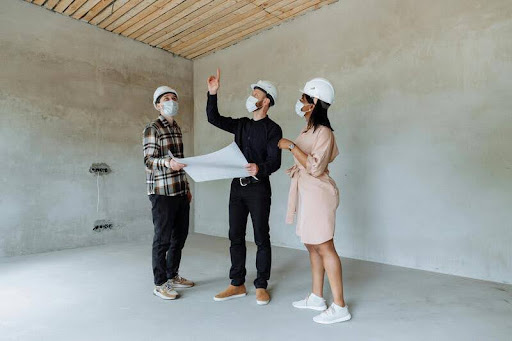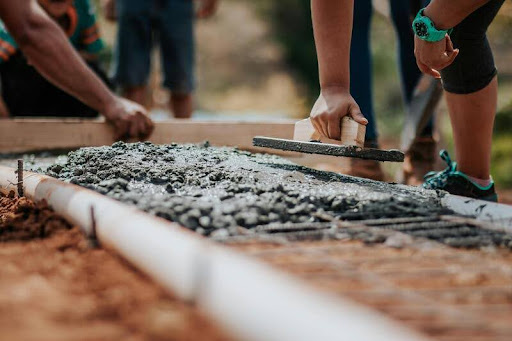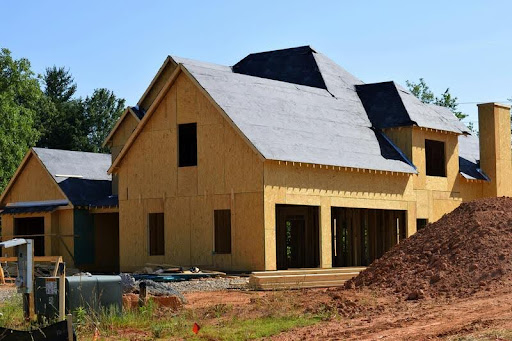
A structure built to last—following building codes from the ground up.
Ever wondered why your kitchen remodel needs a permit? Or why does your contractor keep mentioning “code compliance”? That all comes down to building codes. They might sound like legal mumbo-jumbo, but they’re actually the behind-the-scenes rules that help keep our homes, offices, and even shopping centers safe and functional.
So, what exactly are building codes, and why should you care? Let’s break it down in simple, everyday terms.
What Are Building Codes?
Building codes are a set of rules that govern how structures are designed, built, and maintained to ensure safety, health, and efficiency.
These rules are created by national, state, and local governments (and sometimes international organizations), and they cover everything from how tall a handrail should be to how many smoke detectors a home needs.
Think of building codes like a playbook for construction. Everyone involved, builders, architects, engineers, and inspectors, follows the same playbook to make sure buildings are structurally sound, accessible, and livable.
Who Makes Building Codes and How Are They Updated?
Building codes are created by official organizations like the International Code Council (ICC) and adopted by local jurisdictions, which can tweak them to meet regional needs.
In the U.S., most areas use the International Building Code (IBC) or variations of it. Updates happen every few years to keep up with modern building practices, technology, and environmental concerns. For example, newer versions might include stricter energy efficiency standards or requirements for solar panel-ready roofs.
Local building departments often review these updates and decide what to enforce in their area. So, yes, what’s “up to code” in New York might not be exactly the same in Arizona.
Why Do We Need Building Codes?
The main goal of building codes is to protect people, plain and simple.
These codes aren’t just red tape. They’re designed to:
- Prevent fires and electrical hazards
- Ensure buildings can withstand natural disasters like earthquakes or hurricanes
- Make sure plumbing and ventilation are safe and sanitary
- Support accessibility for people with disabilities
- Encourage energy-saving construction
Imagine a world without building codes. Staircases could be too steep, wiring could be a fire waiting to happen, and bathrooms might lack proper ventilation. Not exactly a recipe for safe living.
How Are Building Codes Enforced?
Building codes are enforced through a combination of building permits, inspections, and penalties for non-compliance.
Here’s how it usually works:
- You submit your building plans to your city or county building department.
- They review the plans to make sure everything meets code.
- You get a permit, allowing you to begin construction.
- Inspectors check the work at different stages (foundation, framing, final walkthrough, etc.).
- You get a certificate of occupancy once everything passes.
Skip any of those steps? You could face hefty fines, project delays, or even be forced to tear things down. And if you’re selling your house and the buyer’s inspector flags unpermitted work? That can kill a deal fast.
How Do Building Codes Affect Design and Construction?
Building codes directly shape how homes and buildings are planned, designed, and built.
Architects and engineers incorporate code requirements from day one. That means everything from the size of doorways to the type of insulation used is carefully chosen to meet code. Builders and contractors then follow those specifications to make sure everything passes inspection.
And here’s the thing, cutting corners might seem cheaper up front, but it almost always costs more later. Retrofitting a non-compliant building or fixing shoddy work can blow your budget wide open.
Why Do Building Codes Keep Changing?
Building codes evolve to reflect new technologies, materials, safety knowledge, and environmental priorities.
Think about it: the way we build homes today is very different from how we did it 30 years ago. Codes change because:
- We learn from structural failures and disasters
- New materials and building methods are developed
- Energy standards improve (hello, smart homes!)
- Climate-related concerns drive better sustainability practices
So even if a building was up to code when it was built, it might not meet today’s standards. That’s why updates and remodels often trigger new code requirements.
What Are the Most Common Misunderstandings About Building Codes?
There’s a lot of confusion out there, so let’s clear a few things up:
1. “Building codes are optional.”
Nope. If you’re doing structural, electrical, or plumbing work, you’re almost always legally required to follow code.
2. “They only apply to big construction projects.”
Wrong again. Even small things like adding a deck, changing a water heater, or remodeling a bathroom can trigger code requirements.
3. “Zoning laws and building codes are the same thing.”
Not quite. Zoning laws dictate where and what you can build. Building codes govern how it’s built.
What Happens If You Don’t Follow Building Codes?
Ignoring building codes can lead to serious consequences, financial, legal, and even physical.
Here’s what can happen if you skip permits or build without following code:
- Your project could get shut down mid-construction
- You might have to pay fines or rebuild parts of the structure
- You could be held liable if someone gets injured
- Your insurance might not cover damage from non-compliant work
- Selling your home could become complicated or impossible
Bottom line? Cutting corners isn’t worth it. Building codes might feel like a hassle, but they’re ultimately there to protect you.
How Do Building Codes Benefit Homeowners and Communities?
Complying with building codes leads to safer homes, stronger communities, and long-term savings.
When everyone builds to a common standard:
- Homes are safer and more comfortable
- Neighborhoods are more resilient in storms or fires
- Energy costs go down thanks to efficiency standards
- Property values stay strong
- Insurance premiums may be lower for code-compliant properties
Plus, you’re protecting your investment. A house built to code lasts longer, functions better, and sells more easily.
How Can You Make Sure Your Project Is Up to Code?
Here’s a simple checklist:
- Start with your local building department; they’ll tell you what permits you need.
- Work with licensed professionals who know the code inside and out.
- Get all required inspections as your project progresses.
- Don’t guess, ask. When in doubt, check with your city or county to stay on the right side of the rules.
A little homework up front can save you a world of headaches down the line.
FAQs About Building Codes (Schema-Ready)
What are building codes in simple terms? Building codes are rules that ensure construction projects are safe, healthy, and efficient.
Who enforces building codes? Local building departments and inspectors enforce building codes through permits and inspections.
Do building codes apply to remodels? Yes, most remodeling projects, especially those involving plumbing, electrical, or structural changes, must follow building codes.
Are building codes the same everywhere in the U.S.? No. While many areas adopt similar standards (like the International Building Code), local governments can make adjustments based on climate, geography, or other needs.
Why do regulations in construction keep evolving? They are updated to incorporate advancements in technology, improved safety measures, and changing environmental guidelines.
Final Thoughts: The Importance of Building Codes Might Surprise You
While building codes may not be the most exciting aspect of owning a home or engaging in construction, they are undoubtedly crucial. They ensure the safety of your residence, strengthen communities, and help protect your most significant investment, your property, over time.
Whether you’re embarking on a new construction project or merely replacing a water heater, being aware of your local regulations and adhering to them provides reassurance and helps prevent future issues.
Planning a renovation or new construction? Begin by consulting your local building authority; it’s the most effective initial action you can take.
About the Author