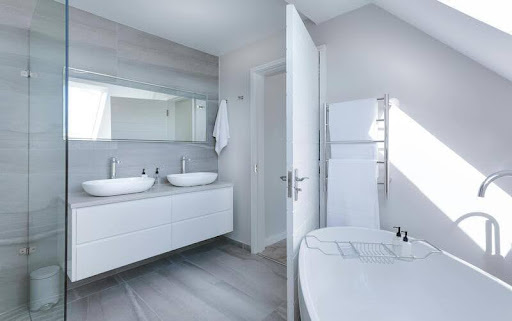
Clean lines, sleek fixtures—but even stylish bathrooms can hide renovation mistakes.
Bathroom renovations sound exciting in theory, fresh tile, a stylish vanity, better lighting. But if you’re not careful, they can turn into an expensive headache. Whether you’re upgrading for your own comfort or boosting resale value, planning a bathroom remodel takes more than just picking pretty finishes.
So what usually goes wrong? And more importantly, how do you avoid the common mistakes that trip up so many homeowners?
Let’s break it all down in plain English.
Why Do So Many Bathroom Renovations Go Wrong?
Because people rush in. Seriously, that’s the number one issue. It’s easy to get caught up in the excitement of transforming a tired old space, but skipping over the prep work can lead to budget blowouts, poor design choices, and even safety problems.
You don’t want to be one of those folks stuck with a bathroom that looks great on Instagram but falls apart after six months.
Here’s what to watch for, and how to steer clear of those all-too-common pitfalls.
1. What Happens If You Skip the Planning Phase?
Short answer: Things fall apart, fast.
Planning isn’t just about picking colors and fixtures. It’s about budgeting, measuring, scheduling, and deciding what needs to stay and what can go. If you don’t take time to think through how you’ll use the space, you might end up with drawers that can’t open or a toilet that crowds the sink.
Pro tip: Always include a 10–20% buffer in your budget for surprise expenses. Plumbing surprises, water damage, and mold are more common than you think, especially in older homes.
2. Why Is Bathroom Ventilation So Important?
Because moisture is a silent destroyer.
Poor ventilation can lead to mold, mildew, peeling paint, and warped wood. Not exactly the spa-like retreat you were hoping for, right? A properly sized exhaust fan helps remove excess humidity and keeps the air fresh.
Look for a fan that suits your bathroom’s size (measured in CFM, cubic feet per minute), and make sure it vents outside, not just into your attic. This is a big one that even seasoned DIYers sometimes miss.
3. Are You Overlooking Storage Needs?
If you’re relying on one tiny medicine cabinet to hold everything, then yes.
A beautiful bathroom means nothing if it’s cluttered with hair tools, toiletries, and extra toilet paper. Think about your daily routine, what do you reach for every morning? Where will those items live?
Use vertical space.
Add recessed shelving. Choose vanities with real, usable drawers. Even a simple over-the-toilet cabinet can make a big difference.
4. What’s the Risk of Choosing the Wrong Materials?
They may look good now, but they won’t last.
Bathrooms get wet, a lot. That means you need materials that can stand up to water, humidity, and temperature changes. Wood floors? Not ideal. Regular drywall in the shower area? Big nope.
Look for water-resistant materials: porcelain or ceramic tile, moisture-rated paint, and backer board designed for wet areas. Also, make sure grout and caulk are sealed properly to keep moisture out.
5. Is DIY Always a Good Idea?
Not always. And definitely not when it comes to plumbing or electrical work.
It’s tempting to save money by doing it all yourself, but mistakes here can be dangerous, or costly to fix later. If you’re not 100% confident in what you’re doing, bring in a licensed pro. The cost of getting it done right the first time is usually less than fixing a major screw-up.
Know your limits. Swapping out hardware? Go for it. Rerouting plumbing lines? Call a plumber.
6. What Are Common Layout Mistakes in Bathrooms?
A pretty bathroom that’s hard to use isn’t a win.
It’s easy to get carried away with Pinterest-worthy designs, but if the layout doesn’t flow, you’ll feel it every day. Watch out for things like placing the toilet right in front of the door, or installing a vanity that makes the space feel cramped.
Use layout tools or apps to test your plan, or sketch it out to scale on graph paper. The key is balancing form and function, not just cramming in as many features as possible.
7. How Important Is Lighting in a Bathroom Remodel?
Very. Maybe more than you think.
Good lighting makes everything easier, shaving, makeup, cleaning, even relaxing. Yet, it’s often an afterthought. Many people stick with a single ceiling fixture, which can leave shadows and make the room feel dull.
A better setup? Layered lighting. That means a mix of ambient (overhead), task (mirror or vanity), and accent (decorative or under-cabinet). Go for daylight-balanced bulbs if possible, they give the most natural look.
8. Should You Cut Corners to Save Money?
Only if you like redoing things twice.
It’s totally fine to find budget-friendly options, but don’t sacrifice quality on things like waterproofing, electrical, or structural work. Skipping key steps, like properly sealing a shower pan or insulating pipes, can lead to water damage or even code violations.
If you’re on a tight budget, prioritize the essentials. You can always upgrade the faucets or lighting later.
9. Is Your Bathroom Future-Proof?
That trendy floating sink might look cool now, but will it still make sense in five years?
Think long-term. If you’re planning to stay in your home, consider adding grab bars or a walk-in shower. Not just for aging, those features also appeal to families, people with mobility issues, and future buyers.
Timeless design and flexible function usually win out over ultra-trendy looks. Choose finishes and layouts that adapt as your needs change.
10. Do the Small Details Really Matter?
Absolutely.
From uneven tile spacing to mismatched fixtures, small oversights can add up. Always double-check measurements. Make sure towel bars are at the right height. Don’t forget outlet placement (you’ll want one near the mirror for sure).
Also, test everything before calling it done. Check water pressure. Run the fan. Open every drawer and door to make sure nothing’s blocked. These tiny checks can save you a ton of frustration later.
Wrapping It Up
Bathroom renovations can boost both your home’s value and your daily comfort, but only if they’re done right. Planning carefully, choosing durable materials, hiring pros where needed, and focusing on smart layout decisions can save you stress, time, and money in the long run.
No one wants to deal with cracked tiles, leaky fixtures, or regrets about wasted space. So take your time. Ask questions. And make sure you’re building a bathroom that works as well as it looks.
Quick FAQ: Common Bathroom Renovation Mistakes
What’s the biggest mistake people make when remodeling a bathroom? Skipping the planning phase and underestimating the budget are the most common, and costly, mistakes.
Can poor ventilation ruin a bathroom? Yes. Inadequate ventilation can lead to mold, mildew, and damage to walls and fixtures over time.
Is it okay to use regular drywall in a bathroom? Not in wet areas like showers or behind tubs. Use moisture-resistant or cement backer board instead.
Do I really need a professional for bathroom remodeling? For plumbing and electrical work, yes. For simple upgrades, confident DIYers can often handle things safely.
What’s the best lighting for bathrooms? Layered lighting (ambient, task, and accent) with daylight-balanced bulbs offers the best visibility and comfort.
About the Author