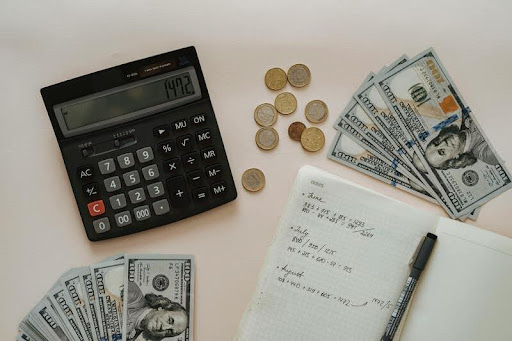
Budgeting in progress—breaking down expenses and setting up sinking funds
Your guide to smarter saving without the stress
You’ve probably heard financial experts talk about emergency funds and savings accounts, but what about sinking funds? They might not sound exciting, but they’re the low-key money hack your future self will thank you for. Once you understand how they work, you’ll wonder how you ever budgeted without them.
Whether you’re prepping for back-to-school expenses, holiday shopping, or that annoying annual car insurance bill, sinking funds help you plan without panic. Let’s break it down in simple terms, no finance degree required.
What is a sinking fund?
A sinking fund is money you set aside bit by bit for a specific, known expense.
Think of it as financial meal prep: You do the work ahead of time so you’re not scrambling later. Instead of being surprised by big bills or seasonal costs, you save for them slowly and intentionally. It’s like telling your money where to go, before it runs off on its own.
Unlike an emergency fund, which covers the unexpected, sinking funds are for things you can see coming. Things like:
- Annual memberships
- Car repairs (you know they’re coming eventually)
- Back-to-school shopping
- Travel
- Holiday gifts
- Property taxes or insurance premiums
If it’s predictable and not part of your regular monthly budget, a sinking fund can handle it.
Why do I need sinking funds?
Because they keep you from going into debt, or raiding your emergency savings every time life happens.
Here’s the deal: Americans often end up using credit cards or personal loans for stuff they could’ve planned for. According to Experian’s 2024 Consumer Credit Review, the average U.S. household carries over $6,500 in credit card debt. A big reason? Unplanned but predictable costs.
Sinking funds give you a buffer. You’re not scrambling or borrowing, you’re just ready. And mentally, that feels good. No guilt, no stress.
They also make your budget more realistic. Instead of acting shocked by your kid’s birthday party or your car registration every year, you’ve already baked those costs into your plan.
How do I start a sinking fund?
Set one up in four easy steps, no fancy spreadsheets needed.
- Pick your categories. Think about upcoming expenses: holidays, car maintenance, annual subscriptions, etc. Write them down.
- Figure out how much you’ll need. Estimate the total cost of each item. You don’t need to be exact, just get close.
- Set your timeline and divide it up
Ask: “How many months until I need this money?” Then divide the total cost by that number. That’s how much you need to save each month.
- Example: $600 for December holidays ÷ 6 months = $100/month starting in July.
- Make saving automatic (if possible). Set up automatic transfers or reminders so you stay consistent. Out of sight, out of mind does not work with saving; consistency wins.
Where should I keep sinking funds?
In a separate savings account, or somewhere you won’t accidentally spend it.
The goal is to keep it out of your everyday spending path. Many people use:
- Multiple labeled savings accounts (most U.S. banks or credit unions let you create “buckets”)
- High-yield savings accounts for longer-term funds
- Budgeting apps that allow virtual envelopes or category tracking
Some even keep cash in labeled envelopes, but that depends on your comfort level and habits.
Whatever you pick, the key is separation. You don’t want to dip into your “holiday fund” because you forgot it was mixed in with your rent money.
How many sinking funds should I have?
Start with 2–3 categories and build from there.
There’s no “right number,” but too many can get overwhelming. Focus on the most urgent or recurring expenses first.
A good starter list might include:
- Annual bills (like insurance or taxes)
- Holidays and birthdays
- Car maintenance
Once those are covered, you can add funds for vacations, home repairs, or big purchases like a new laptop or furniture.
What’s the best way to manage sinking funds?
Keep it simple, stay consistent, and check in regularly.
A few tips to stay on track:
- Review your funds monthly – See what’s growing, what’s coming up, and adjust if needed.
- Use a budgeting tool or notebook – Whether it’s a free app or a piece of paper, tracking helps.
- Adjust for life changes – Maybe the cost of something goes up, or you get a bonus and want to top off a fund early. Flexibility helps.
Consistency beats perfection. You won’t always hit your exact goal, but even partial savings make those expenses easier to handle.
What are some common mistakes to avoid with sinking funds?
Avoid these pitfalls so your funds actually work the way they’re supposed to:
- Mixing sinking funds with emergency savings. They serve different purposes. Keep them separate so one doesn’t drain the other.
- Setting unrealistic timelines. Trying to save $1,000 in two months for a vacation might be too much; spread it out when you can.
- Forgetting to adjust for changes
Costs go up, dates shift, life happens. Check your numbers and tweak your plan when needed.
- Not using the fund when the time comes, don’t feel guilty about spending it, it’s literally why you saved.
How do sinking funds help my overall budget?
They smooth out your cash flow and give you financial confidence.
Big, irregular expenses are often what blow up a budget. Sinking funds turn those surprise costs into predictable monthly mini-savings goals. That makes your month-to-month budget more accurate and a whole lot less stressful.
Plus, when you’ve got funds ready for known expenses, your emergency fund stays untouched. And that’s a win.
Are sinking funds worth it?
Absolutely. They take a little planning up front, but the payoff is peace of mind. You’re not just reacting, you’re preparing.
And the best part? You don’t have to save massive amounts all at once. Just small steps, taken consistently, can make a big difference.
FAQ: Quick Answers About Sinking Funds
What’s the difference between a sinking fund and an emergency fund? A sinking fund is for known, planned expenses. An emergency fund is for surprise costs like job loss or medical emergencies.
Can I keep sinking funds into my checking account? You can, but it’s better to keep them in separate savings accounts so you don’t accidentally spend the money.
Do I need to set up a new account for each fund? Not necessarily. You can use one account and track each fund in a spreadsheet or app. Some banks let you label “goals” within a single savings account.
How much should I save in a sinking fund each month? Divide the total cost of your planned expense by the number of months until you need the money. That’s your monthly savings target.
What happens if I don’t save enough in time? It’s okay, use what you’ve saved, cover the rest with your regular budget, and plan earlier next time. Progress beats perfection.
Ready to start using sinking funds?
Don’t wait for the “perfect” moment, just start with one small goal. Pick an expense you know is coming, break it into monthly savings, and create a separate place to stash the cash.
That’s it. That’s the whole system.
Want to make your money life smoother? Add sinking funds to your toolkit, and say goodbye to surprise expenses for good.
About the Author




