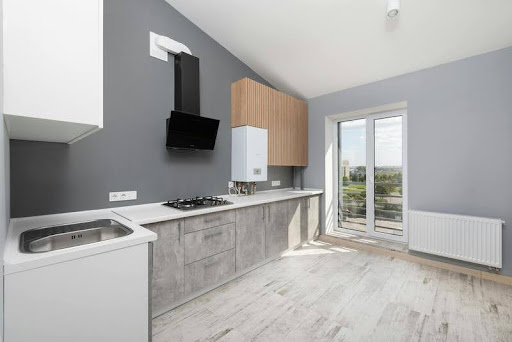
Today’s kitchens blend smart design with timeless comfort—think clean lines, warm tones, and plenty of room to gather.
If you’re considering a home update, you’re in good company. Home improvement has become a major industry in 2025, as an increasing number of homeowners are making enhancements that showcase not only aesthetics but also functionality, technological integration, and eco-friendliness. So, what are the specific changes people are making to their homes this year? Which trends are influencing how Americans live, work, and unwind?
Let’s explore the most discussed home improvement trends of 2025 and what they could mean for your upcoming renovation project.
What smart home enhancements are trending in 2025?
Smart home technologies have transitioned from being futuristic luxuries to becoming indispensable necessities. In 2025, integrating technology is a primary focus for numerous homeowners. From smart lighting systems that adjust according to your daily habits to voice-activated appliances and smartphone-controlled thermostats, ease of use is crucial.
Home automation is also gaining traction. Imagine this scenario: you’re arriving home, and your lights illuminate, your front door unlocks, and the thermostat adjusts before you even walk in. This kind of seamless interaction is precisely what many homeowners desire today.
Security is another key area of focus. Smart cameras, doorbells, and motion detection sensors are providing increased peace of mind, all managed from a smartphone.
Why is there such a strong interest in sustainable home improvements now?
Sustainability has evolved from being just a trendy concept to a fundamental principle. In 2025, a growing number of people are considering: “How can I enhance my home’s eco-friendliness?” The choices available are expanding rapidly.
Homeowners are opting for environmentally friendly materials, such as bamboo flooring, recycled countertops, and low-VOC (volatile organic compound) paints. Energy efficiency has also become a major consideration, with individuals upgrading insulation, opting for LED lighting, and installing solar-ready systems even when they’re not ready to invest in solar panels just yet.
Water-efficient appliances and fixtures are another significant trend. Think of dual-flush toilets, low-flow showerheads, and smart irrigation systems designed to conserve water. These upgrades not only minimize your environmental impact but also provide long-term financial savings.
What are multifunctional spaces, and why are they important?
Recent years have highlighted the importance of a home serving multiple purposes beyond mere aesthetics. In 2025, adaptability is essential.
Homeowners are transforming spare rooms into versatile spaces. A guest room might also function as a home office.
A dining nook might transform into a homework station by day. Built-in desks, sliding partitions, and modular furniture make it easy to shift functions without sacrificing style.
It’s all about making your home work harder for you. Why waste space when it can be multipurpose?
What home design colors and materials are in style?
Natural, earthy tones are having a major moment. In 2025, design trends are all about calm, comfort, and a little bit of nature.
Think warm beiges, soft greens, dusty blues, and muted terracotta shades. These colors create a peaceful vibe, especially when paired with natural textures like wood, stone, and linen.
Homeowners are steering away from sterile whites and harsh grays. Instead, they’re embracing a cozier, more lived-in feel. It’s less about making your space look like a showroom and more about making it feel like home.
How are wellness-focused renovations changing homes?
Here’s a truly personal trend: wellness design. In 2025, people want their homes to support their health, mentally, emotionally, and physically.
That means investing in better air quality through filtration systems and ventilation upgrades. It also includes creating quiet zones, using circadian lighting that mimics natural daylight, and carving out areas for yoga, meditation, or simple relaxation.
Bathrooms are becoming more spa-like, with calming colors, soaking tubs, and rainfall showers. Even bedrooms are getting attention with blackout shades and soundproofing to encourage better sleep.
When your home feels good, you feel good. And that’s the goal.
Why are outdoor living spaces a big deal in 2025?
More than ever, outdoor space is seen as an extension of your home, not just a place for grilling on weekends.
Patios are getting upgraded with cozy seating, lighting, and even weather-resistant TVs. Covered areas, pergolas, and outdoor kitchens are gaining popularity, especially in regions with longer warm seasons.
The seamless indoor-outdoor transition is a major goal. Large sliding glass doors, consistent flooring from inside to out, and greenery that connects the spaces visually are all part of the design playbook.
What’s the new take on minimalism?
Minimalism is still going strong, but it’s not as stark or cold as it once was. In 2025, it’s all about intentional simplicity with a touch of personality.
That means fewer things, but better ones. Clean lines and open spaces are paired with bold accents, like a striking piece of art or a colorful backsplash.
It’s about balance: uncluttered, but never boring.
The best part? This style supports better organization and makes spaces feel more open and relaxing.
How are people using tech to plan renovations in 2025?
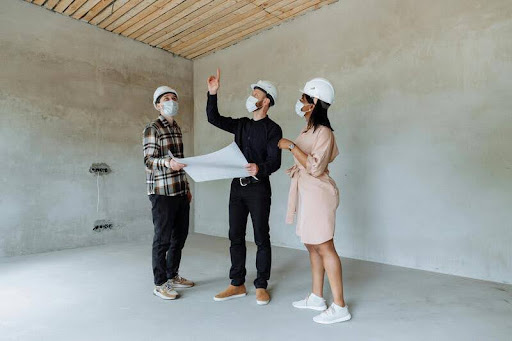
Planning a remodel used to be a guessing game. Not anymore. In 2025, homeowners are using tech tools to get a clear picture before picking up a hammer.
Apps and software can show you what a new layout or color scheme will look like. Some platforms let you take a virtual walkthrough of your design choices. That means fewer surprises and better decisions.
Data also plays a role. Tools that estimate costs, timelines, and energy savings are helping people make smarter, more informed choices.
Final thoughts: What matters most in home design right now?
The biggest takeaway? Homes in 2025 are personal. People want spaces that work for their lifestyles, reflect their values, and support their well-being.
If you’re thinking about a renovation, think beyond the pretty finishes. Ask yourself: how do I want this space to feel? How can it support my daily routine or my future goals? The answers will guide you toward changes that truly matter.
Remember, trends are helpful, but your home should reflect you.
Frequently Asked Questions (FAQ)
What are the top home improvement trends in 2025? Smart home tech, sustainable materials, multifunctional spaces, wellness design, and upgraded outdoor areas top the list.
How can I make my home more energy-efficient in 2025? Switch to LED lighting, improve insulation, use Energy Star-rated appliances, and consider solar-ready electrical setups.
What’s the best way to create a flexible space at home? Use modular furniture, built-ins, and partitions to create multifunctional zones that can adapt to different needs.
Are wellness renovations worth it? Yes. Improvements that support air quality, sleep, and stress reduction can make your home healthier and more enjoyable.
About the Author