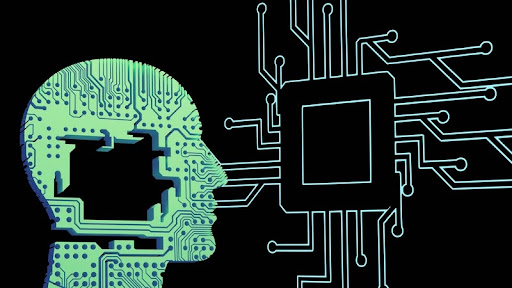
Behind the buzzword “algorithm” lies rows of code quietly shaping the digital world.
If you’ve spent any time online, you’ve probably heard the word algorithm tossed around. People talk about algorithms controlling what we see, shaping the internet, or even “deciding” things for us. But what does that mean? And more importantly, why should you care?
Let’s break it down in plain English, without the tech jargon. By the end of this article, you’ll know exactly what an algorithm is, how it works, and why it plays such a big role in the world around you.
What Is an Algorithm?
At its core, an algorithm is nothing more than a step-by-step set of instructions designed to solve a problem or accomplish a task. Think of it as a recipe. Each step is clear, ordered, and intended to lead to a predictable result.
The key elements of any algorithm are:
- Clarity – the instructions have to be precise.
- Order – the steps have to follow a sequence.
- Logic – each step must make sense in context.
- Repeatability – if you follow the same steps, you should always get the same outcome.
So, no magic here, just structured steps. The word may sound intimidating, but it’s simply a fancy label for a fundamental idea.
What Types of Algorithms Are There?
Algorithms aren’t one-size-fits-all. They come in different categories depending on what they’re designed to do. Some of the main ones include:
- Sorting algorithms – organize data into a specific order.
- Searching algorithms – help find specific information from a large set.
- Decision-making algorithms – use rules or logic to make choices.
- Optimization algorithms – figure out the best possible solution out of many options.
Some algorithms are simple, just a few steps you could write on paper. Others are incredibly complex, with millions of calculations happening in the background. Either way, the principle is the same: clear steps that lead to a result.
Why Do Algorithms Matter?
Here’s the big question: Why should you even care about algorithms?
The short answer: they’re everywhere. Algorithms help organize overwhelming amounts of information, guide decision-making, and make processes more efficient. Without them, the systems we rely on daily would grind to a halt.
Think about it this way: algorithms are the invisible framework holding together much of modern life. You don’t see them at work, but you feel the effects.
How Do Algorithms Shape Everyday Life?
Even if you’re not a tech person, algorithms still touch your day-to-day.
They influence communication, the flow of information, and even how efficiently you get things done.
They often work quietly in the background. You don’t press a button labeled “run algorithm,” yet they’re working every time you interact with digital tools, systems, or platforms. That’s what makes them powerful; you benefit from them constantly without realizing it.
Are Algorithms Just for Technology?
Not at all. While computers and smartphones may be where we hear the term most, the concept of an algorithm applies to any structured process. If there’s a problem to solve and a series of steps to solve it, that’s essentially an algorithm.
This is where things get interesting: learning to think algorithmically can help you in everyday problem-solving. Breaking problems into smaller, logical steps makes them easier to tackle. It’s a mindset that goes beyond tech; it’s about clarity and structure.
What Are the Concerns About Algorithms?
Like anything powerful, algorithms come with challenges. And it’s worth paying attention.
- Bias in algorithms: If the data or rules they’re built on are flawed, the outcomes will be too.
- Transparency issues: Many algorithms operate like black boxes. You see the results, but you don’t always know how they were generated.
- Accountability questions: When decisions are made by automated systems, who’s responsible if something goes wrong?
These concerns highlight why being aware of algorithms matters. They’re not neutral; they reflect the choices and assumptions of the people who design them.
Why Should You Care About Algorithms Personally?
Let’s get personal. Algorithms shape what you read, what you watch, what you hear, and sometimes even what you believe. They affect your choices more than you probably realize.
Caring about algorithms doesn’t mean you have to learn to code. It means developing a basic level of digital literacy. When you understand the “why” behind the information or recommendations you see, you’re in a stronger position to make informed choices.
In today’s digital world, that’s a form of power. And who doesn’t want more of that?
The Bottom Line on Algorithms
So, what exactly is an algorithm? It’s a set of rules or steps designed to solve a problem. Why should you care? Because algorithms shape the way information flows, how decisions are made, and even how you experience the world.
By understanding the basics, you’re not just going along for the ride; you’re thinking critically about the systems that affect you.
In a world run by algorithms, awareness is your best tool.
Frequently Asked Questions (FAQ)
What is a simple definition of an algorithm? An algorithm is a step-by-step set of instructions used to solve a problem or complete a task.
Why are algorithms important? They help organize information, make decisions, and increase efficiency in countless areas of modern life.
Are algorithms only used in technology? No. While we often hear the term in tech, the idea of step-by-step instructions applies to any structured process.
Can algorithms be biased? Yes. Algorithms can reflect biases in the data or rules they’re built on, leading to unfair outcomes.
Do I need to know coding to understand algorithms? Not at all. You just need to understand the basic idea of clear, logical steps leading to a result.
About the Author