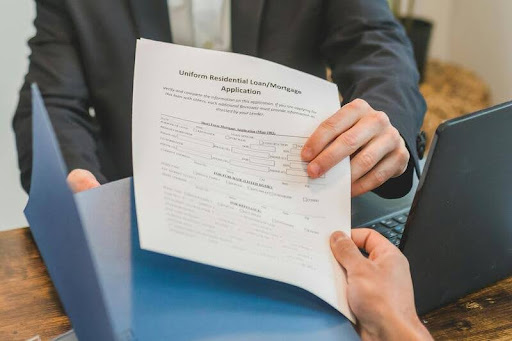
Taking a closer look—understanding your loan terms is the first step to avoiding default.
Let’s be honest, life happens. Maybe you lost a job, got hit with a pile of unexpected bills, or just got overwhelmed. Before you know it, those loan payments start slipping through the cracks. You miss one… then two… and then you start wondering: What happens if I default on my loan?
You’re not alone in asking that. It’s one of the most common money-related questions people search online, and for good reason. Defaulting on a loan isn’t just missing a payment or two; it can have real, lasting consequences.
Let’s break it down in plain English, so you know exactly what you’re dealing with, and what you can do about it.
What does it mean to default on a loan?
Defaulting on a loan means you’ve failed to repay it according to the terms of your agreement, usually after a specific period of missed payments. That timeline depends on the type of loan you have.
For example:
- Most personal loans and auto loans go into default after 60 to 90 days of non-payment.
- For federal student loans, default kicks in after 270 days of missed payments (roughly 9 months).
Missing a payment or two? That’s called being delinquent. Default is the next level, and it can trigger a chain reaction of financial trouble.
What happens immediately after default?
The first thing you’ll notice? Your credit score takes a big hit. A single missed payment can knock your score down by 50–100 points. And when a loan goes into default, it shows up on your credit report for up to 7 years. Ouch.
But that’s not all. You might also:
- Start racking up late fees and interest
- Lose access to flexible repayment options (especially with student loans)
- Be contacted more frequently by your lender or a debt collector
At this point, the lender sees your loan as a risk. That means they’ll start taking steps to protect themselves.
What do lenders do when you default?
Here’s where things escalate. Once a loan is in default, your lender might:
- Send the debt to collections
- Accelerate the loan (aka demand full repayment right now)
- Take legal action to recover the money
If your loan was secured, like a mortgage or auto loan, the lender may seize the asset. That means foreclosure or repossession.
Unsecured loans (like personal loans or credit cards) won’t cost you your car or home, but they can still result in lawsuits or garnished wages. Either way, it’s serious business.
Can I be sued for defaulting on a loan?
Yes, and it happens more often than people think.
If the lender (or a collections agency) decides to take you to court, and they win, they could:
- Garnish your wages
- Freeze your bank account
- Place a lien on your property
And once a judgment is filed against you, it can stay on your credit report for up to seven years, just like the default.
How does loan default affect your credit and finances long-term?
Let’s get real: defaulting on a loan can mess with your financial life for years.
Here’s what you might run into:
- Trouble getting approved for new loans or credit cards
- Higher interest rates if you do get approved
- Difficulty renting an apartment, getting utilities, or even passing an employment credit check
And even if you do get back on track, the default mark stays with you, like a scar on your credit history.
According to data from the Consumer Financial Protection Bureau (CFPB), over 25% of Americans with credit reports have at least one account in collections. You’re not alone, but that doesn’t make it easier to deal with.
Can you fix a defaulted loan?
The good news? You’ve got options. The sooner you act, the better.
Here are some steps that can help:
- Contact your lender – Many lenders would rather work something out than send your loan to collections.
- Look into rehabilitation or consolidation – Especially for federal student loans, these programs can help you clean up your credit and get back on track.
- Settle the debt – If you can offer a lump sum, some lenders might accept less than the full amount owed.
- Talk to a credit counselor – Nonprofit agencies can help you make a plan without judgment.
Don’t ghost your lender. Seriously, communication is key here.
How can you avoid defaulting in the future?
Prevention is way easier (and less painful) than dealing with default after the fact. Here are some ways to stay ahead of your payments:
- Set up autopay so you never miss a due date
- Create a budget that prioritizes loan payments
- Know your loan terms, when payments are due, how much they are, and what happens if you’re late
- Reach out early if you’re struggling to make a payment
Think of your lender like any other business. If you explain your situation and show you’re trying to make it right, they’re usually more flexible than you might expect.
Why is it important to take loan default seriously?
Because ignoring it won’t make it go away. It just gets worse over time.
Defaulting on a loan isn’t just a temporary bump; it can affect your credit, job prospects, housing, and even your ability to get utilities.
It’s not the end of the world, but it is a big deal.
So if you’re heading toward default, or already there, don’t freeze up. Start taking small steps to turn things around.
FAQ: Loan Default Questions Answered
What’s the difference between delinquency and default? Delinquency means you’ve missed a payment. Default means you’ve missed enough payments for the lender to take serious action, usually after 90+ days.
How long does a loan default stay on your credit report? Up to 7 years from the date of default.
Can I negotiate after my loan is in default? Yes. Lenders and collectors often accept settlement offers or can help set up a payment plan, even after default.
Does defaulting on a loan affect my ability to get a mortgage? Yes. A default can lower your credit score and make mortgage approval harder. Lenders see you as a higher-risk borrower.
Is it better to settle or pay off a defaulted loan? It depends on your situation. Settling can be faster and cheaper, but it may still impact your credit. Paying in full usually looks better on your credit report.
Final Thoughts
Loan default isn’t just a financial term; it’s something that affects real people every day. If you’re feeling overwhelmed, that’s completely valid.
About the Author




