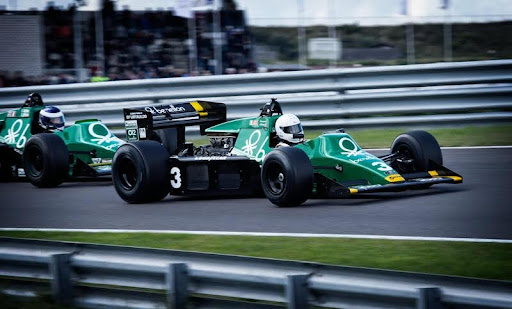
Gearing up for speed—motorsports drivers invest more than just adrenaline on the track.
Ever wonder what it takes, financially, to get into motorsports in the U.S.? You’re not alone. Whether you’re just looking to hit the track on weekends or dreaming of climbing the racing ranks, knowing what you’re signing up for budget-wise is crucial. Spoiler alert: it can be pricey, but there are smart ways to start without going broke.
Let’s break it down piece by piece so you can figure out if this adrenaline-fueled hobby fits your lifestyle and wallet.
Where Do Most People Start in Motorsports?
Most beginners in the U.S. start with karting, autocross, or amateur track events like HPDE (High-Performance Driving Events). These options are relatively accessible and give you a solid feel for racing basics without requiring a full-blown racecar right out of the gate.
Karting is often the cheapest way to get a taste of motorsport, especially for younger drivers. Autocross is another wallet-friendly entry point where you use your car in a safe, controlled environment. Want to push harder? HPDEs let you run laps on real racetracks with your vehicle, often under instructor supervision.
Each path has its own set of costs, but they all offer a realistic jumping-off point.
How Much Does It Cost to Get a Racing License?
If you plan to compete beyond local autocross or informal events, you’ll need a racing license. Here’s a quick snapshot:
- Racing school: Expect to pay around $1,000 to $4,000
- for a weekend course at an accredited school.
- License fees: Annual fees range from $1,000 to $4,000, depending on the organization (SCCA, NASA, etc.).
- Medical exam: Required by most sanctioning bodies; costs vary, but typically fall between $100 and $250.
Total? Anywhere from$1,200 to $4,500
just to get licensed and legal.
What Safety Gear Do You Need for Motorsports?
Safety isn’t optional. If you’re getting on a track, you’ll need at least the basics:
- Helmet: $200–$800 (must be Snell-rated)
- Racing suit: $300–$1,200
- Gloves, shoes, balaclava: $200–$400
- Head-and-neck device (HANS):$500–$1,000
You could spend $1,200 to $3,000+
just on gear. Quality matters here, and some events won’t even let you run without certified gear.
How Much Does a Race-Ready Vehicle Cost?
This one’s a biggie. Your options boil down to:
- Buying a used car or kart: $3,000 to $20,000+ depending on the level and class
- Building your own: Often cheaper upfront, but adds time and hassle
- Renting: Can cost $1,000 to $5,000+ per weekend, depending on the vehicle and track
It all depends on what and where you’re racing. Karting is the cheapest. Club racing or time trials? That’ll bump the price significantly.
And don’t forget maintenance. A car isn’t a one-time expense; it’s an ongoing commitment.
What Are Track Day and Race Entry Fees Like?
Track access isn’t free. Here’s what you’re typically looking at:
- HPDE track day: $200–$500 per day
- Autocross: – $40–$70 per event
- Club race weekend: $300–$800+, depending on series and venue
Some tracks charge per session, others offer weekend passes. Some clubs include coaching or data analysis. It adds up fast, especially if you’re running multiple events each month.
Do You Need to Budget for Insurance?
Short answer: yes.
Most personal auto policies won’t cover track damage. You can buy single-event or annual track insurance, usually starting at around 0 per event. Want full-season coverage? You’re looking at $1,000 to $2,500 per year, depending on vehicle value and risk level.
It might seem optional until your car ends up against a wall. Then you’ll wish you had it.
What About Transport and Storage Costs?
Unless your race setup fits in a trunk, you’ll need a way to move it. Common expenses include:
- Open trailer: $1,000–$3,000 used
- Enclosed trailer: $5,000–$15,000+
- Two vehicles: If you don’t already have a capable truck or SUV, factor in that purchase too
- Storage: –$50–$300 per month, depending on size and location
If you’re racing far from home, tack on travel costs: gas, food, hotel, maybe even time off work.
Do You Need a Crew or Support Team?
Not necessarily. Early on, many racers go solo or team up with fellow drivers. But once things get more serious, you might need:
- Mechanics
- Pit support
- Coaching or data analysis
Support costs can range from $100 for basic help to several thousand if you’re bringing on pros. DIY skills go a long way in motorsports, especially if you can turn a wrench and troubleshoot your own setup.
What Are the Hidden or Ongoing Costs?
Think of motorsports like owning a boat: there’s always something to fix or replace.
- Tires: $400–$1,200 per set, and you might go through a set every few weekends
- Fuel: –$50–$200+ per event, depending on the car
- Brake pads, fluids, wear items: Add a few hundred more
And those surprise expenses? They will happen. Budget a little cushion to keep your racing dreams on track.
What’s the Best Way to Budget for Racing?
Start with what you can actually afford to spend each year, then work backward.
- Prioritize safety and reliability first
- Stick with affordable series or local events
- Join a racing club to find community support and shared resources
Keep it simple. Focus on seat time over car bling. The more you learn now, the more competitive (and cost-effective) you’ll be later.
Final Thoughts: Is Getting Into Motorsports Worth the Cost?
It depends on what you want out of it.
If you’re chasing a career, costs can soar fast. But if you want a fun, challenging, skill-building hobby, there are plenty of ways to get started without draining your savings.
The key is managing expectations and spending wisely. Racing can be accessible if you stay grounded, start small, and build up from there.
So, is it time to strap in and chase the checkered flag?
FAQ: Motorsports Costs in the U.S.
How much does it cost to get started in motorsports? Most beginners spend $3,000 to $10,000 in their first year, depending on the type of racing and whether they already own a suitable car.
What is the cheapest way to start racing? Autocross and karting are the most budget-friendly. You can often race your own vehicle with minimal modifications.
Do I need a racing license to start? Not for autocross or track days, but you will need one for competitive road racing or time trials.
Is racing dangerous without insurance? Yes. Most personal policies won’t cover track incidents, so buying event-specific insurance is highly recommended.
Can I race without a crew? Absolutely. Many beginners go solo or team up with other racers to share costs and help.
About the Author