Planning their next move—mom and son review renovation ideas before picking up the paintbrush.
Thinking about knocking down a wall, building a new deck, or adding a second bathroom? If you’re planning a home renovation, chances are you’ll need a building permit before you even pick up a hammer.
Now, we get it, permits can feel like one more annoying hurdle in a long to-do list. But here’s the thing: they’re a crucial part of doing things the right way. Whether you’re a seasoned DIY-er or hiring a contractor, understanding the building permit process can save you from major headaches down the line.
So, what’s the process for getting a building permit for home renovation? Let’s break it down step by step in plain English.
What Exactly Is a Building Permit, and Why Do You Need One?
A building permit is your local government’s way of saying, “Yep, this renovation is safe and follows the rules.” It’s official approval that your project complies with local building codes, zoning laws, and safety regulations.
Permits are usually issued by your city or county’s building department. And no, they’re not just a formality. They help ensure your renovation won’t mess with the structural integrity of your home, or the safety of anyone living in it.
Skip the permit, and you could face fines, stop-work orders, or problems when you try to sell your house. Some lenders and insurers might even refuse to cover unpermitted work.
Do You Need a Permit for Your Home Renovation?
Not all home projects need permits, but many do. Here’s a quick way to think about it: if your renovation changes the structure, plumbing, electrical, or load-bearing parts of your home, it likely requires a permit.
Projects that usually DO require permits:
- Adding or removing walls
- Major kitchen or bathroom remodels
- Installing new windows or doors (especially if you change their size or placement)
- Electrical rewiring
- Plumbing reroutes
- Roof replacements
- Building decks, garages, or sheds over a certain size
Projects that typically DON’T require permits:
- Painting walls
- Replacing kitchen cabinets (without changing plumbing or wiring)
- Installing new flooring
- Swapping out light fixtures (as long as you’re not changing wiring)
Pro tip: Always check with your local building department to be sure. Requirements vary a lot depending on where you live in the U.S., and the last thing you want is to assume you’re in the clear when you’re not.
How Do You Apply for a Building Permit for Home Renovation?
Let’s walk through the building permit process, step by step. It’s more straightforward than it seems, especially when you know what to expect.
Step 1: Figure Out What’s Required in Your Area
Start by contacting your local building department or visiting their website. Most municipalities have clear guidelines outlining which projects need permits, what forms to fill out, and how much it’ll cost.
Search tip: Try Googling “building permit requirements [your city or county]” to find the right office fast.
While you’re at it, check zoning laws too. Some neighborhoods have restrictions on how high you can build or how close structures can be to your property line.
Step 2: Prepare Your Project Plans
Most permit applications require detailed plans of what you’re building. That includes drawings (blueprints), materials lists, and sometimes energy efficiency details or engineering reports.
If you’re hiring a contractor or architect, they’ll usually take care of this. If you’re DIY-ing it, you may need to sketch things out and show measurements.
Don’t worry, you don’t have to be an artist. Just be clear and accurate. And if the project’s complex, getting professional help here is worth it.
Step 3: Submit Your Application
Once your plans are ready, you’ll fill out an application and submit everything, either online, by mail, or in person.
You’ll typically need to include:
- Completed application forms
- Two or more copies of your project plans
- Site plan showing your property layout
- Permit application fee
Costs can vary a lot depending on your location and the scale of the work. Small permits might be under 0, while larger remodels could cost several hundred dollars.
Step 4: Wait for the Review
After you submit your application goes through a review process. Building inspectors or plan reviewers will check that your project complies with local codes and zoning rules.
This can take anywhere from a few days to several weeks, depending on the department’s workload and the complexity of your project.
If your plans are missing something or don’t meet code, you’ll usually get a chance to revise and resubmit.
What Happens After You Get Your Permit?
Great news, you’re approved! But hold up, you’re not done yet.
Your permit usually comes with a set of rules or conditions, and you’ll need to schedule inspections at certain stages of your renovation.
Why Are Inspections Part of the Process?
Inspections make sure the work is being done safely and matches the approved plans. It’s not about being nitpicky, it’s about making sure your new bathroom doesn’t spring a leak or your deck doesn’t collapse.
You’ll often need inspections at key points like:
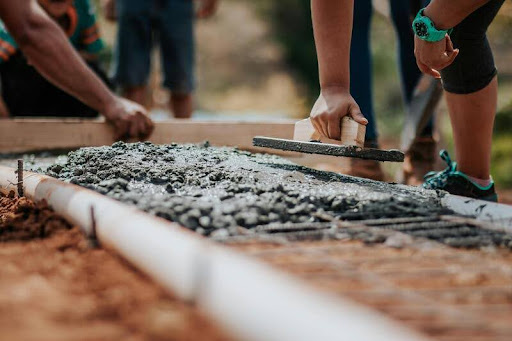
- Before pouring concrete (for footings or foundations)
- After framing
- After plumbing or electrical work is done, but before walls are closed
- Final inspection once the project’s complete
If you’re working with a contractor, they’ll usually coordinate the inspections. Just be sure to ask them when these are happening.
What If You Fail an Inspection?
Don’t panic, this happens more often than you’d think. A failed inspection doesn’t mean your project is doomed. The inspector will usually give you a list of what needs to be fixed and allow for a re-inspection once you’ve made the changes.
The key here is communication. Ask questions, get clarity, and take the feedback seriously. Inspectors want to help you get it right, not shut your project down.
How Do You Close Out a Building Permit?
Once the final inspection is complete and everything’s up to code, you’ll receive final approval. In some cases, you’ll get a Certificate of Completion or Certificate of Occupancy if the project involved living space.
This step is important. Closing out the permit means your renovation is officially on the books as legal and safe. That’s good news for:
- Home resale: Buyers (and their agents) often check permit records before making an offer.
- Insurance: Carriers may deny claims on unpermitted work.
- Peace of mind: You won’t lose sleep wondering if your work will come back to haunt you.
How Can You Make the Permit Process Easier?
Good news, there are ways to keep things smooth and stress-free.
Start early
Don’t wait until demo day to start thinking about permits. Build this step into your planning timeline.
Communicate clearly
Talk to your contractor and your local building department. Ask questions. Clarify what’s needed. Double-check everything.
Keep records
Save copies of all paperwork, approvals, inspection results, and receipts. If you ever need to prove your work was permitted, you’ll be glad you did.
Stay organized
Create a simple folder or digital tracker to manage deadlines, inspections, and forms. Permits may not be exciting, but they’re way easier when you’re not scrambling.
Why Is It So Important to Get a Permit for Renovation?
You might be wondering, is all this really necessary? Can’t you just fix up your house and skip the red tape?
Short answer: Don’t risk it.
Unpermitted renovations can come back to bite you, hard. According to the National Association of Realtors, over 70% of home buyers say they’d think twice about purchasing a home with work done without proper permits. Some municipalities even fine homeowners or make them undo completed work.
Plus, permits are there to protect your safety. A shortcut today could mean big (and expensive) problems tomorrow.
FAQ: Building Permit Process for Home Renovation
Here are quick answers to the most common questions people ask:
Do I need a permit to renovate my bathroom?
Yes, if you’re moving plumbing lines, electrical wiring, or walls. Cosmetic updates like painting or new fixtures usually don’t need one.
How long does it take to get a building permit?
Anywhere from a few days to several weeks, depending on your local building department and project complexity.
Can I apply for a building permit myself?
Yes, homeowners can usually apply on their own. If you’re hiring a contractor, they often handle it for you.
What happens if I renovate without a permit?
You could face fines, stop-work orders, trouble selling your home, or even be required to remove the work.
How much does a building permit cost?
Permit fees vary widely by location and project size. A simple permit might cost under 0, while major remodels can cost 0 or more.
Final Thoughts
Getting a building permit might feel like a hassle at first, but it’s one of the smartest moves you can make during a home renovation. It keeps you legal, protects your investment, and ensures your upgrades are done safely and professionally.
So, before you dive into demo mode, take a step back and ask: Do I need a permit for this? A little planning up front can save you a lot of trouble later.
About the Author