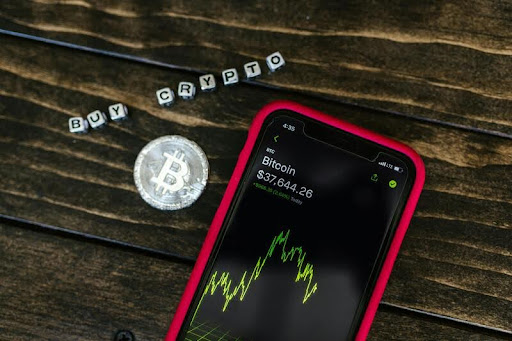
A glimpse into everyday Web3—managing digital tokens from the palm of your hand.
The internet is changing. You’ve probably heard terms like Web3, blockchain, and crypto thrown around more and more lately. But what do they actually mean for everyday people? One word that keeps coming up in those conversations is tokenization, and it’s not just another tech buzzword.
So, what is tokenization in Web3, and why does it matter?
Let’s break it down in plain English. Whether you’re tech-savvy or just curious about the future of the internet, this post is for you.
What Does Tokenization Mean in Web3?
Tokenization in Web3 means turning something of value into a digital token that lives on a blockchain.
That “something” could be just about anything: art, real estate, digital access rights, loyalty points, or even your personal data. In short, it’s the process of representing real or digital assets as tokens that are secure, verifiable, and transferable on decentralized networks.
In the Web2 world (that’s the current version of the internet most of us use), we rely on centralized platforms to manage our data, content, and transactions. But in Web3? Tokenization hands more control back to you.
How Does Tokenization Work?
Tokenization works by using blockchain technology and smart contracts to create, store, and transfer digital representations of assets.
Here’s the gist: A developer writes a smart contract, a self-executing piece of code on a blockchain, that defines a token’s behavior. That contract determines who owns the token, how it’s transferred, and what it represents.
There are two major types of tokens you’ll hear about:
- Fungible tokens: These are interchangeable, like dollars or Bitcoin. One unit is always equal in value to another.
- Non-fungible tokens (NFTs): These are unique and can’t be swapped on a one-to-one basis. Think digital collectibles or identity credentials.
Every token lives on a blockchain (like Ethereum or Solana), which acts as a public ledger. This means anyone can verify the token’s ownership and history, without needing to trust a middleman.
Why Is Tokenization So Important in Web3?
Tokenization is a core building block of Web3 because it enables digital ownership, decentralization, and user control.
Instead of depending on companies to manage your data, tokens give you the power to prove what’s yours and move it around freely. That’s huge.
Want to own your social media profile, your game skins, or your health data? Tokenization makes that possible.
It also allows for permissionless transactions, meaning no banks, no approval processes, and no delays.
This system isn’t just more transparent. It’s more inclusive and efficient, too.
What Are the Main Benefits of Tokenization?
Tokenization brings more security, liquidity, and accessibility to digital assets while cutting out costly intermediaries.
Let’s unpack that.
1. More Accessibility
Tokenization opens the door for more people to participate in digital markets. You don’t need a brokerage account or legal paperwork, just a wallet.
2. Fractional Ownership
You don’t have to buy an entire asset anymore. Tokenization allows you to own a small piece. That means more people can get involved with high-value assets.
3. Improved Liquidity
Tokens are easier to buy, sell, and trade. That boosts liquidity, making it faster and simpler to turn assets into cash or other tokens.
4. Stronger Security
Blockchain keeps a transparent, unchangeable record of every transaction. That means fewer fraud risks and less reliance on third parties.
5. Lower Costs
No middlemen = fewer fees. That’s a win for users and creators alike.
What Can Be Tokenized in Web3?
Pretty much anything.
Seriously. If it has value, it can probably be tokenized. Here’s a quick list of what’s possible:
- Digital files like images, music, or videos
- Ownership rights (e.g., to a domain name or piece of content)
- Real-world assets like land or vehicles
- Memberships or event tickets
- In-game items or avatars
- Personal identity data
Tokenization isn’t just about turning things digital; it’s about making them portable, tradable, and verifiable.
What Are the Challenges of Tokenization?
Tokenization isn’t perfect. There are still some speed bumps to sort out.
1. Scalability Issues
Some blockchains can’t handle large volumes of transactions quickly. Slow speeds and high fees can be a pain, especially when demand spikes.
2. Legal and Regulatory Uncertainty
Laws around tokenized assets vary by country and are still evolving. In the U.S., regulators are still figuring out how to handle crypto assets.
3. User Education
Let’s be honest, Web3 can be confusing. The average person doesn’t know what a smart contract is, let alone how to use it. Education and better user interfaces are critical.
4. Security Risks
Smart contracts are powerful, but they’re only as good as the code behind them. Bugs and hacks have already led to major losses in the crypto space.
How Will Tokenization Shape the Future of Web3?
Tokenization will play a central role in building a decentralized internet where users own and control their digital lives.
It’s more than just tech hype. Tokenization could fundamentally change how we think about:
- Digital identity (you own your credentials)
- Finance (you control your assets)
- Content creation (you keep your earnings and rights)
- Online communities (you get rewarded for participation)
The shift to Web3 is about empowerment, and tokenization is what makes that possible at scale.
Why Should the Average Person Care About Tokenization?
Because it’s already changing the way we interact online, even if we don’t realize it yet.
Remember how weird online shopping felt in the early 2000s? Now it’s second nature. Tokenization is on a similar path. It might feel abstract now, but soon, it’ll be built into how we buy, sell, prove ownership, and interact with each other online.
So ask yourself: Would you rather rent space on the internet or actually own part of it?
Final Thoughts: Tokenization Isn’t Just a Trend, It’s a New Foundation
We’re in the early stages of a big shift in how value moves online. Tokenization is a key reason why. It gives users more control, more access, and more freedom.
Whether you’re a casual browser, a creator, or a tech enthusiast, understanding tokenization is like learning the new rules of the internet.
It’s not just about crypto. It’s about changing who holds the power online, and putting more of it in your hands.
FAQ: Tokenization in Web3 (for Quick Reference)
What is tokenization in simple terms? Tokenization is the process of turning something valuable, like a file, asset, or piece of data, into a digital token on a blockchain.
Why is tokenization important in Web3? It gives users ownership of their digital assets, enables decentralization, and removes the need for middlemen.
What’s the difference between a fungible and a non-fungible token? Fungible tokens (like Bitcoin) are interchangeable. NFTs (non-fungible tokens) are unique and not equal in value.
Can physical assets be tokenized? Yes. Physical things like real estate or vehicles can be represented as tokens on the blockchain.
Is tokenization legal in the U.S.? It depends on the asset and how it’s structured. Regulations are still evolving, and legal clarity is a work in progress.
How do I use a tokenized asset? You store and manage tokens in a digital wallet. You can trade them, use them for access, or prove ownership with them.
Ready to Learn More?
If this post sparked your curiosity, keep going. Web3 is a big space, and tokenization is just the start. Look into wallets, DAOs, NFTs, and smart contracts to see where the internet is headed next.
About the Author